Optimize Utility Usage: 4 Steps to Cut Bills by 10% This Quarter
Advertisements
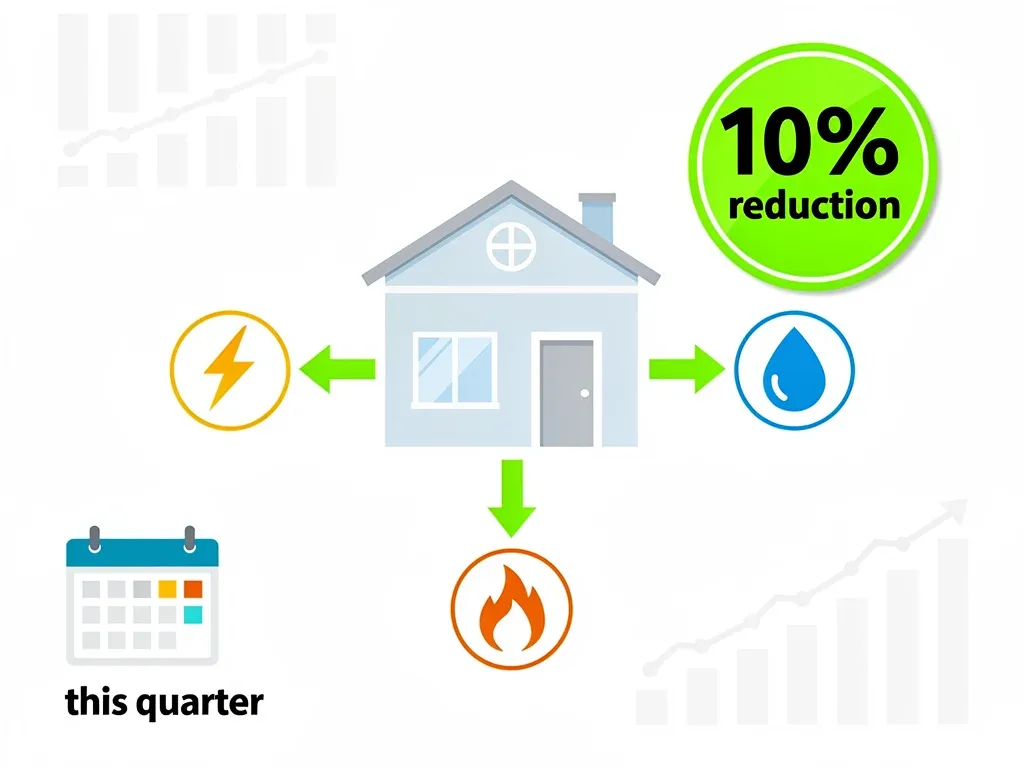
Implementing four key strategies for energy and water conservation can help homeowners optimize utility usage and reduce their bills by a minimum of 10% within the next three months.
Are you tired of seeing your utility bills steadily climb, month after month? Do you often wonder if there are tangible ways to gain control over these essential household expenses? In today’s economic climate, finding effective strategies to manage and reduce costs is more crucial than ever. This article will guide you through practical solutions to help you optimize utility usage and potentially slash your bills by a significant 10% or more, all within the next quarter. We’re not talking about drastic lifestyle changes, but rather smart, actionable steps that can make a real difference to your budget and your peace of mind.
Understanding Your Current Utility Consumption
Before you can effectively reduce your utility bills, it’s essential to understand where your money is currently going. Many homeowners pay their bills without truly grasping the underlying consumption patterns. This initial step involves a deep dive into your past statements and a keen observation of your daily habits. By dissecting your usage, you can pinpoint the biggest energy and water drains in your home, setting the stage for targeted improvements.
Analyzing Past Bills
Your previous utility statements are a treasure trove of information. Don’t just glance at the total; look for details. Identify peak usage times, compare consumption month-over-month, and note any significant spikes. This historical data provides a baseline and helps you set realistic reduction goals.
- Review consumption units: Understand kilowatt-hours (kWh) for electricity, therms for natural gas, and gallons for water.
- Identify seasonal trends: Notice how heating and cooling impact energy bills, or how garden watering affects water usage.
- Compare with neighbors: Some utility providers offer anonymized comparisons, which can highlight if your usage is unusually high.
Conducting a Home Energy Audit
A home energy audit is a comprehensive assessment of your home’s energy efficiency. You can perform a basic DIY audit or hire a professional. The goal is to identify areas where energy is being lost or wasted, such as poor insulation, leaky windows, or inefficient appliances. This proactive approach uncovers hidden inefficiencies that contribute to higher bills.
Even without professional tools, a simple walk-through of your home can reveal common culprits. Feel for drafts near windows and doors, check the age and condition of your appliances, and observe lighting habits. This initial understanding forms the bedrock of any successful utility reduction strategy. By being informed, you empower yourself to make smarter decisions about your home’s energy and water consumption.
Understanding your current utility consumption is the foundational step towards achieving significant savings. By meticulously analyzing past bills and conducting a thorough home energy audit, you gain invaluable insights into your household’s energy and water footprint. This knowledge allows for precise targeting of problem areas, ensuring that subsequent efforts to optimize utility usage are both effective and efficient.
Step 1: Implement Smart Energy-Saving Practices
The first major step in reducing your utility bills by 10% involves adopting smart energy-saving practices. This isn’t about deprivation, but about making conscious choices that lead to lower consumption without sacrificing comfort. Many of these practices are simple to implement and require minimal upfront investment, making them ideal for immediate impact.
Optimizing Heating and Cooling
Heating and cooling systems are often the largest energy consumers in a home. Adjusting your thermostat by just a few degrees can lead to substantial savings. Investing in a smart thermostat can further enhance this by learning your preferences and adjusting temperatures automatically, even when you’re away.
- Set programmable thermostats: Schedule temperature changes to align with your daily routine, lowering settings when you’re out or asleep.
- Seal air leaks: Use caulk and weatherstripping around windows and doors to prevent drafts and maintain indoor temperatures more efficiently.
- Maintain HVAC systems: Regularly clean or replace air filters and schedule professional tune-ups to ensure your system runs at peak efficiency.
Reducing Phantom Load and Lighting Costs
Phantom load, also known as standby power, refers to the electricity consumed by electronics when they are turned off but still plugged in. This constant drain can add up significantly over time. Similarly, outdated lighting can be a major energy hog. Addressing these areas offers straightforward opportunities for savings.
Unplugging electronics when not in use, or using smart power strips that cut power to idle devices, are effective ways to combat phantom load. Switching to LED lighting throughout your home is another simple yet powerful change. LEDs use significantly less energy and last much longer than traditional incandescent bulbs, providing both immediate and long-term savings. These small adjustments collectively contribute to a notable reduction in your overall electricity consumption.
By consciously adopting smart energy-saving practices, particularly those related to heating, cooling, and reducing phantom loads, you can make a considerable dent in your electricity bills. These habits, once established, become second nature and contribute consistently to your goal of lower utility expenses.
Step 2: Conserve Water Effectively
Water utility bills can be a significant household expense, especially in regions prone to drought or with higher water rates. Effectively conserving water involves a combination of mindful habits and practical upgrades. This step focuses on identifying and mitigating water waste both indoors and outdoors, contributing directly to your goal to optimize utility usage.
Fixing Leaks and Upgrading Fixtures
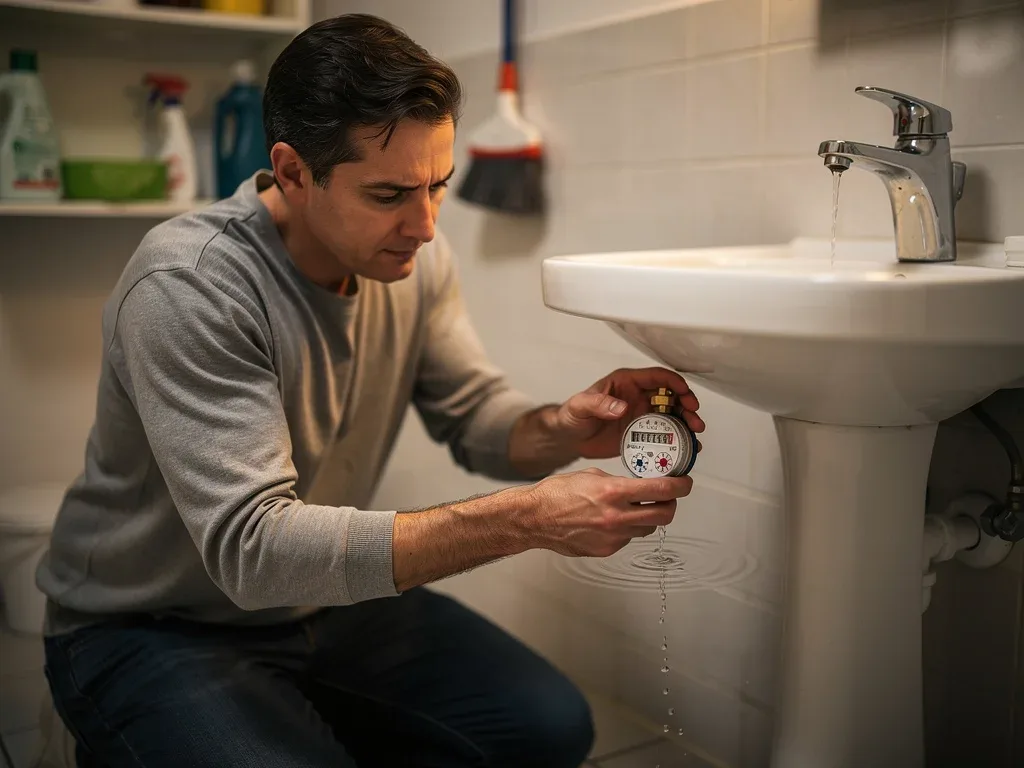
Even small leaks can lead to a surprising amount of wasted water over time. A dripping faucet or a running toilet can account for thousands of gallons of wasted water annually. Regularly checking for and fixing these issues is one of the most impactful water conservation measures you can take. Upgrading to water-efficient fixtures further amplifies these efforts.
- Inspect for leaks: Check faucets, toilets (add food coloring to the tank to see if it seeps into the bowl), and outdoor spigots regularly.
- Install low-flow showerheads and aerators: These devices reduce water flow without compromising water pressure, saving significant amounts of water.
- Consider a high-efficiency toilet: Older toilets use a lot of water per flush; newer models are designed to use much less.
Mindful Water Usage Habits
Beyond plumbing upgrades, daily habits play a crucial role in water conservation. Simple changes in how you use water for personal hygiene, cooking, and cleaning can lead to substantial reductions. These habits are easy to adopt and become part of a more sustainable lifestyle.
Taking shorter showers instead of baths, turning off the tap while brushing your teeth or shaving, and only running dishwashers and washing machines with full loads are excellent starting points. Collecting rainwater for gardening or using a broom instead of a hose to clean driveways also contribute significantly to reducing outdoor water consumption. Every drop saved adds up, making a tangible difference to your water bill.
Effective water conservation is a critical component of optimizing overall utility usage. By diligently addressing leaks, upgrading to more efficient fixtures, and cultivating mindful water usage habits, homeowners can achieve considerable reductions in their water bills, contributing to the broader goal of financial savings.
Step 3: Invest in Energy-Efficient Appliances and Insulation
While the previous steps focused on habits and minor adjustments, investing in energy-efficient appliances and improving your home’s insulation represents a more significant, yet highly rewarding, step in your journey to optimize utility usage. These investments typically have a higher upfront cost but offer substantial long-term savings and increased home comfort.
Choosing ENERGY STAR Certified Appliances
When it’s time to replace an old appliance, look for models with the ENERGY STAR label. These products meet strict energy efficiency guidelines set by the U.S. Environmental Protection Agency and Department of Energy. From refrigerators to washing machines, ENERGY STAR appliances use significantly less energy and water than standard models, translating into lower operating costs over their lifespan.
- Refrigerators: Newer models are much more efficient; consider the size and features you truly need.
- Washing machines: High-efficiency washers use less water and energy, especially front-loaders.
- Dishwashers: ENERGY STAR dishwashers clean effectively while using less water and electricity.
Enhancing Home Insulation
Proper insulation is crucial for maintaining a comfortable indoor temperature and preventing energy loss. Inadequate insulation in walls, attics, and floors forces your HVAC system to work harder, leading to higher energy consumption. Upgrading your insulation is a one-time investment that pays dividends through reduced heating and cooling costs for years to come.
Consider adding insulation to your attic, which is often the easiest and most cost-effective place to start. Wall insulation, while more involved, can also dramatically improve efficiency. Sealing and insulating ducts can prevent up to 30% of heated or cooled air from escaping before it reaches your living spaces. These improvements create a more stable indoor environment, reducing the workload on your heating and cooling systems and directly lowering your bills.
Investing in energy-efficient appliances and robust home insulation is a strategic move for long-term utility savings. Although these steps may require a greater initial outlay, their sustained impact on reducing energy consumption makes them invaluable for any homeowner serious about optimizing their utility usage and achieving lasting financial benefits.
Step 4: Monitor and Adjust Regularly
Implementing changes is only half the battle; the other half is consistent monitoring and adjustment. Utility consumption is not static; it fluctuates with seasons, lifestyle changes, and even minor system inefficiencies. Regularly tracking your usage ensures that your efforts to optimize utility usage remain effective and allows you to catch new issues before they become costly problems.
Utilizing Smart Home Technology for Monitoring
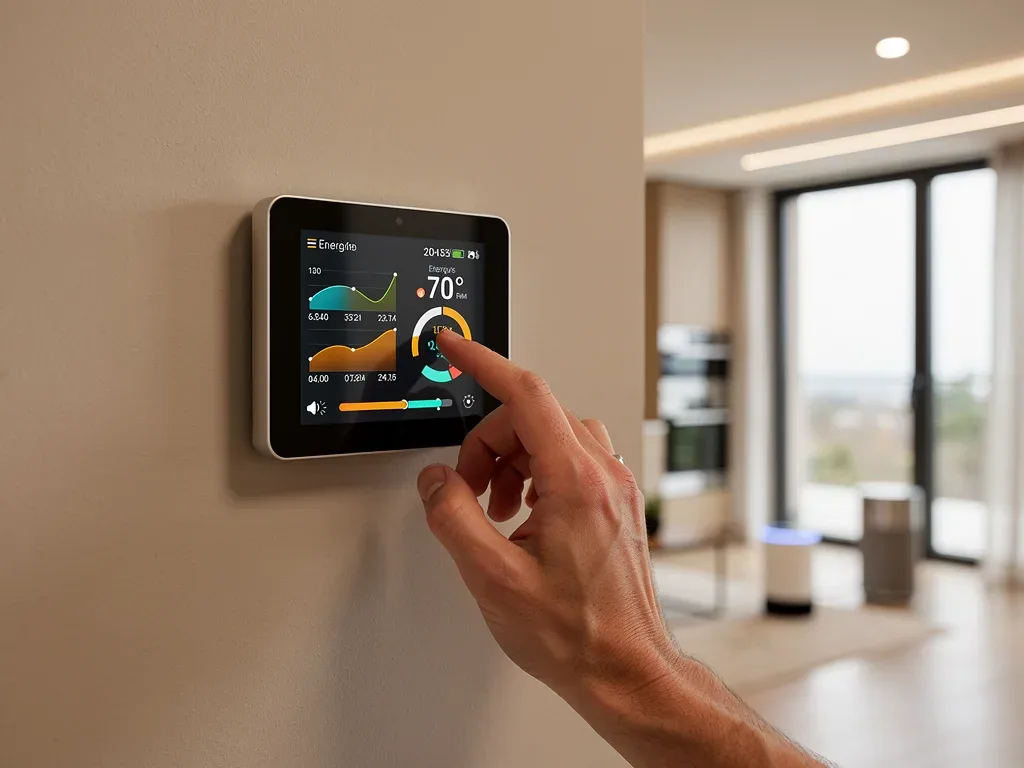
Modern smart home devices offer incredible capabilities for monitoring and controlling your utility consumption. Smart thermostats, energy monitors, and even smart water sensors can provide real-time data, giving you immediate feedback on the impact of your changes. This data empowers you to make informed decisions and fine-tune your conservation strategies.
- Smart energy monitors: Plug-in devices or whole-home systems that track electricity usage by appliance or circuit.
- Smart water meters: Detect unusual water flow patterns that could indicate leaks, sending alerts to your phone.
- Utility provider portals: Many utility companies offer online dashboards where you can view your daily or hourly consumption data.
Regular Review and Adaptation
Set a schedule to review your utility bills and consumption data, perhaps monthly or quarterly. Compare your current usage against previous periods and against your initial baseline. Celebrate your successes, and critically analyze any areas where consumption has increased or where you haven’t met your reduction goals. This continuous feedback loop is essential for sustained savings.
Don’t be afraid to experiment with different settings or habits to see what works best for your household. The goal is to find a balance between comfort and efficiency. If a particular strategy isn’t yielding the expected results, re-evaluate and try another approach. The flexibility to adapt ensures that you maintain control over your utility expenses, year after year. This proactive stance transforms utility management from a reactive chore into an empowering financial strategy.
Consistent monitoring and regular adjustments are paramount for the long-term success of any utility optimization plan. By leveraging smart technology and committing to periodic reviews, you ensure that your home remains energy and water efficient, continually reinforcing your efforts to reduce bills and save money effectively.
| Key Step | Brief Description |
|---|---|
| Understand Consumption | Analyze bills and conduct audits to identify energy/water drains. |
| Smart Energy Practices | Optimize heating/cooling, reduce phantom load, and switch to LED lighting. |
| Effective Water Conservation | Fix leaks, upgrade fixtures, and adopt mindful water usage habits. |
| Monitor and Adjust | Use smart tech and regular reviews to maintain efficiency and adapt strategies. |
Frequently Asked Questions About Utility Savings
What is the fastest way to see a reduction in utility bills?▼The fastest way to see a reduction is by focusing on quick wins: adjusting thermostat settings, unplugging electronics to eliminate phantom load, taking shorter showers, and immediately fixing any visible water leaks. These behavioral changes often yield immediate results on your next bill.
Are smart thermostats truly worth the investment for saving?▼Yes, smart thermostats are generally worth the investment. They learn your habits, optimize heating and cooling schedules, and can be controlled remotely, preventing energy waste when you’re away. Many users report significant savings that recoup the initial cost within a year or two.
How often should I check for water leaks in my home?▼You should perform a quick visual check for water leaks monthly, especially in bathrooms and kitchens. A more thorough check, including testing toilets and reviewing your water meter for unusual activity, is recommended quarterly to catch hidden issues early.
What are phantom loads, and how can I reduce them?▼Phantom loads are the electricity consumed by electronics when they are turned off but still plugged in. You can reduce them by unplugging devices when not in use, using power strips with on/off switches, or investing in smart power strips that automatically cut power to idle devices.
Can improving home insulation really make a big difference?▼Absolutely. Good home insulation is critical for maintaining stable indoor temperatures, reducing the workload on your heating and cooling systems. It can significantly cut energy loss, leading to substantial savings on both heating and air conditioning bills, making it a highly effective long-term strategy.
Conclusion
The journey to optimize utility usage and reduce your household bills by 10% this quarter is an achievable goal, grounded in practical steps and mindful consumption. By dedicating time to understand your current usage, implementing smart energy-saving practices, conserving water effectively, and strategically investing in efficient appliances and insulation, you are not just cutting costs; you are building a more sustainable and financially resilient home. Remember, consistency in monitoring and a willingness to adjust your strategies are key to sustained success. Embrace these changes, and watch your savings grow, quarter after quarter.