Cut Grocery Bills: 3-Month 20% Reduction Challenge
Advertisements
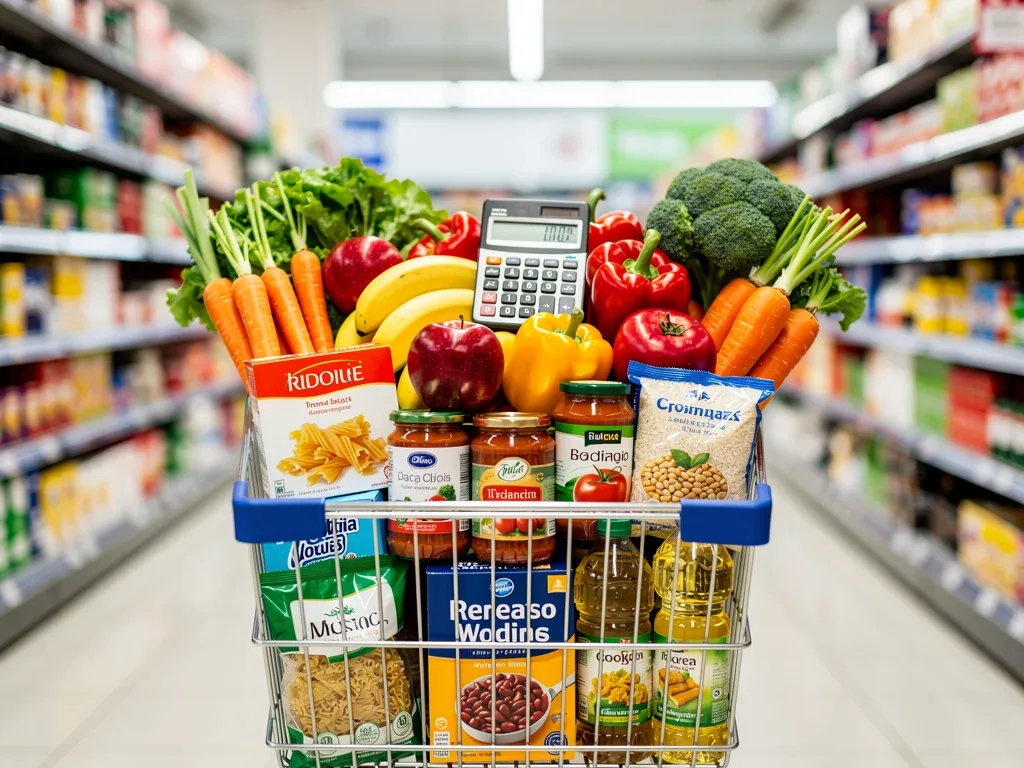
Embark on a transformative 3-month challenge to slash your grocery bill by 20% through strategic meal planning, smart shopping habits, and effective budgeting, ensuring significant savings without sacrificing quality.
Are you tired of seeing your hard-earned money disappear at the grocery store? The thought of significantly cutting down on food expenses might seem daunting, but with The 3-Month Challenge: Reduce Your Grocery Bill by 20% Using These Insider Strategies, it’s not just possible – it’s achievable. This comprehensive guide will equip you with practical, actionable methods to take control of your food budget, transforming the way you shop and eat without compromising on quality or nutrition. Get ready to unlock substantial savings and gain financial freedom.
Understanding Your Current Spending Habits
Before you can effectively reduce your grocery bill, it’s crucial to understand where your money is currently going. Many people are surprised by their actual spending when they take a closer look. This initial assessment is the foundation of our 3-month challenge, setting the stage for targeted improvements and sustainable savings.
Tracking your expenses for a week or two can reveal patterns you might not even realize exist. This isn’t about judgment; it’s about gaining clarity. Once you have a clear picture, you can identify areas ripe for optimization and begin to implement the strategies that will lead to a 20% reduction.
The Value of a Spending Audit
A spending audit helps you pinpoint financial leaks. It involves more than just looking at bank statements; it’s about understanding the ‘why’ behind each purchase. Did you buy that extra item because it was on sale, or because you truly needed it?
- Categorize all grocery expenses for a minimum of two weeks.
- Identify impulse buys and non-essential items.
- Note down where you shop and what days you typically go.
- Analyze the proportion of fresh produce versus processed foods.
By dissecting your spending, you can identify specific behaviors that contribute to a higher grocery bill. This self-awareness is a powerful tool in breaking old habits and forming new, more cost-effective ones. The goal is to make conscious choices rather than falling into routines that drain your budget.
Understanding your current habits is the first and most critical step towards achieving your savings goal. Without this baseline, it’s difficult to measure progress or identify the most impactful changes. Take the time to conduct this audit thoroughly; it will pay dividends in the months to come.
Mastering the Art of Meal Planning
Meal planning is perhaps the most potent weapon in your arsenal against an inflated grocery bill. It transforms chaotic, last-minute shopping trips into strategic missions, ensuring every item bought serves a purpose. This deliberate approach minimizes waste and maximizes your budget’s efficiency.
Effective meal planning goes beyond just deciding what to eat. It involves leveraging ingredients, utilizing leftovers, and considering sales cycles. When done correctly, it can drastically cut down on both food waste and unnecessary purchases, directly contributing to your 20% reduction target.
Strategic Menu Creation
Begin by checking your pantry, fridge, and freezer. What ingredients do you already have on hand that can be incorporated into meals? This step alone can save you from buying duplicates and inspires creative cooking.
- Plan meals around ingredients you already own.
- Incorporate versatile ingredients that can be used in multiple dishes.
- Schedule meals that utilize leftovers for lunches or subsequent dinners.
- Consider theme nights (e.g., Meatless Monday, Taco Tuesday) for variety and simplicity.
Once you know what you have, you can then plan meals for the week or even two weeks ahead. This foresight allows you to create a precise shopping list, preventing impulse buys and ensuring you only purchase what’s truly needed. It also helps you avoid the dreaded “what’s for dinner?” dilemma, which often leads to expensive takeout.
Meal planning is a skill that improves with practice. Start small, perhaps by planning just dinners for a week, and gradually expand as you become more comfortable. The discipline it instills will not only save you money but also reduce stress around meal preparation.

Smart Shopping Strategies: Beyond the List
A shopping list is essential, but smart shopping goes much further. It involves understanding store layouts, recognizing genuine deals, and making informed decisions at every turn. These insider strategies help you navigate the grocery store like a pro, ensuring maximum savings.
The goal is to optimize every shopping trip, turning potential pitfalls into opportunities for savings. From choosing the right time to shop to understanding unit pricing, these techniques are vital for achieving a significant reduction in your grocery bill.
Navigating the Aisles Wisely
Supermarkets are designed to encourage impulse purchases. By understanding these tactics, you can counteract them. Stick to your list, but also be aware of promotions and seasonal items that offer genuine value.
- Shop the perimeter of the store first for fresh produce, dairy, and meat.
- Compare unit prices, not just sticker prices, to find the best value.
- Buy in bulk for non-perishable items when the price per unit is significantly lower.
- Avoid shopping when hungry, as this often leads to more impulse buys.
Another powerful strategy is to leverage store loyalty programs and digital coupons. Many stores offer personalized discounts based on your purchasing history. Taking a few minutes to load these onto your card or app can result in substantial savings over time. Don’t underestimate the power of these small, consistent efforts.
Smart shopping is an active process that requires attention and discipline. It’s about being an informed consumer who makes choices based on value and need, rather than convenience or clever marketing. This approach will significantly contribute to your 20% grocery bill reduction.
Leveraging Sales, Coupons, and Loyalty Programs
To truly reduce your grocery bill by 20%, you must become adept at leveraging every available saving tool. This includes not just clipping coupons, but understanding how sales cycles work, maximizing loyalty programs, and even exploring alternative shopping venues. These strategies combine to create a powerful financial advantage.
Many shoppers overlook the combined power of these tools, treating them as separate entities. However, when used in conjunction, they can unlock savings far greater than any one method alone. This integrated approach is key to reaching your challenge goal.
Maximizing Your Savings Stack
Think of sales, coupons, and loyalty programs as layers of savings. A truly savvy shopper learns to stack these layers for the greatest impact. This might involve planning meals around weekly sales flyers or combining a manufacturer’s coupon with a store’s digital offer.
- Subscribe to store newsletters for early access to sales flyers.
- Download store apps for exclusive digital coupons and personalized offers.
- Understand coupon policies – can you stack a manufacturer coupon with a store coupon?
- Utilize cashback apps and credit card rewards for grocery purchases.
Beyond traditional supermarkets, consider exploring farmers’ markets for seasonal produce, which can often be cheaper and fresher. Ethnic markets can also offer better prices on certain spices, grains, and specialty ingredients. Don’t limit your shopping to just one location; diversify for optimal savings.
By actively seeking out and utilizing these various savings mechanisms, you transform grocery shopping from a chore into a strategic game. Each successful saving contributes to your overall goal, making the 3-month challenge not only achievable but also rewarding.
Reducing Food Waste: A Hidden Goldmine
Food waste is a significant, often overlooked, drain on household budgets. Americans throw away a staggering amount of edible food each year, essentially tossing money directly into the trash. Tackling food waste is not only environmentally responsible but also a powerful strategy to significantly reduce your grocery bill.
By implementing simple practices to minimize waste, you can stretch your grocery budget further and ensure that every dollar spent on food is utilized. This aspect of the challenge focuses on smart storage, creative cooking, and mindful consumption.
Smart Storage and Usage
Proper food storage is fundamental to extending the shelf life of your groceries. Understanding how to store different types of produce, meats, and pantry items can prevent spoilage and keep food fresher for longer.
- Store fruits and vegetables correctly (e.g., separate ethylene-producing fruits).
- Use airtight containers for leftovers and open pantry items.
- Implement a ‘first in, first out’ (FIFO) system for your fridge and pantry.
- Freeze excess produce, bread, and cooked meals before they spoil.
Beyond storage, embracing ‘nose-to-tail’ or ‘root-to-stem’ cooking can also reduce waste. For example, use vegetable scraps for homemade broth, or turn slightly overripe fruit into smoothies or baked goods. Get creative with leftovers, transforming them into entirely new dishes rather than simply reheating.
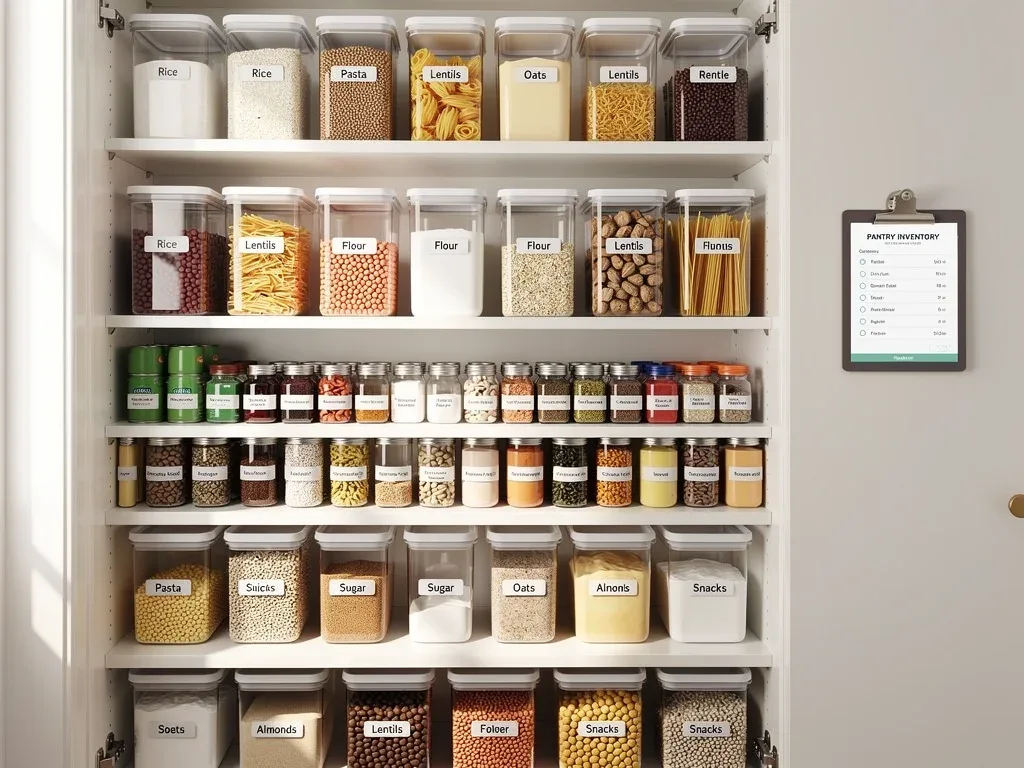
Reducing food waste requires a shift in mindset and habits, but the financial and environmental benefits are substantial. By being more mindful of what you buy, how you store it, and how you consume it, you’ll find a significant portion of your 20% savings right here.
Cooking at Home and Bulk Preparation
One of the most effective ways to reduce your grocery bill is to consciously cook more meals at home. Eating out or relying on pre-made convenience foods consistently racks up expenses far beyond what it would cost to prepare similar meals yourself. This section emphasizes the financial benefits of home cooking and the strategic advantage of bulk preparation.
By dedicating time to cooking, especially in larger batches, you gain control over ingredients, portions, and, most importantly, your budget. This practice directly supports the 20% reduction goal by cutting down on expensive alternatives.
The Economics of Home Cooking
The cost difference between a home-cooked meal and a restaurant meal is often staggering. Even simple ingredients, when combined creatively, can produce delicious and nutritious meals at a fraction of the cost of dining out. This is where your meal planning truly shines.
- Prioritize cooking from scratch using basic ingredients.
- Experiment with affordable protein sources like beans, lentils, and eggs.
- Batch cook staple items like grains, roasted vegetables, or proteins.
- Prepare larger quantities of meals to freeze for busy weeknights.
Bulk preparation, or ‘meal prepping,’ is a time-saving and money-saving hack. By cooking several meals or components of meals at once, you reduce cooking frequency, minimize cleanup, and ensure healthy, cost-effective options are always available. This prevents the temptation of ordering takeout when time is short.
Embracing home cooking and bulk preparation is a cornerstone of this challenge. It empowers you to eat healthier, save money, and develop valuable culinary skills. The investment of time upfront yields significant financial returns over the 3-month period and beyond.
Maintaining Momentum and Long-Term Savings
The 3-month challenge isn’t just about temporary savings; it’s about establishing sustainable habits that lead to long-term financial benefits. Once you’ve achieved your 20% reduction, the real goal is to maintain that momentum and continue to refine your strategies for even greater efficiency. This requires ongoing evaluation and adaptation.
Building on the foundation laid during the challenge ensures that your efforts are not just a fleeting success but a permanent shift in your financial approach to groceries. Consistency is key to realizing lasting savings.
Sustaining Your Savings Journey
After three months, take the time to review your progress. What strategies worked best for you? Where can you still improve? This reflective process is crucial for solidifying new habits and identifying areas for further optimization.
- Regularly review your grocery spending against your budget.
- Stay updated on sales cycles and adjust your meal plans accordingly.
- Continue to experiment with new recipes that utilize affordable ingredients.
- Share your tips and successes with others to reinforce your commitment.
Consider setting new, even more ambitious, savings goals once you’ve successfully completed the initial challenge. Perhaps aim for a 25% reduction, or reallocate a portion of your grocery savings to another financial goal, like debt repayment or investments. The principles you’ve learned are transferable to other areas of personal finance.
Maintaining momentum means staying engaged and continuously seeking ways to improve. The skills developed during this challenge—mindful spending, strategic planning, and resourcefulness—are invaluable assets that will serve you well beyond the grocery store aisles.
| Key Strategy | Benefit to Grocery Bill |
|---|---|
| Meal Planning | Reduces impulse buys and food waste, ensures purposeful purchases. |
| Smart Shopping | Optimizes value through unit pricing, sales, and loyalty programs. |
| Reduce Food Waste | Maximizes ingredient usage, preventing spoilage and discarded food. |
| Home Cooking | Significantly cheaper than takeout or pre-made meals, full control of ingredients. |
Frequently Asked Questions About Reducing Grocery Bills
How quickly can I expect to see results from these strategies?▼Many individuals report seeing initial savings within the first week of implementing meal planning and smart shopping. Significant reductions, like the 20% target, typically become noticeable and consistent by the end of the first month of dedicated effort.
Is it really possible to cut 20% off my grocery bill without sacrificing quality?▼Absolutely. The strategies focus on efficiency, waste reduction, and smart purchasing, not on buying cheaper, lower-quality items. By planning meals, utilizing sales, and cooking at home, you can often afford higher-quality ingredients while still saving money.
What if I don’t have much time for meal planning or cooking?▼Even small efforts make a difference. Start with planning just a few meals or dedicating an hour to simple bulk prep like chopping vegetables. Over time, these small habits build into significant savings and become more efficient, requiring less dedicated time.
Are loyalty programs and coupons worth the effort?▼Yes, they are highly effective. While individual savings might seem small, they accumulate quickly. Utilizing digital coupons and personalized offers from loyalty programs can often lead to substantial discounts, making the brief effort well worth the financial reward.
How can I prevent food waste if my family is picky?▼Involve your family in meal planning to ensure buy-in. Focus on versatile ingredients that can be adapted for different preferences. Start with small portions of new dishes and creatively repurpose leftovers into familiar favorites to minimize rejection and waste.
Conclusion
Embarking on The 3-Month Challenge: Reduce Your Grocery Bill by 20% Using These Insider Strategies is more than just a temporary financial adjustment; it’s an investment in a more mindful and economically sound approach to food. By diligently applying the principles of understanding your spending, mastering meal planning, adopting smart shopping habits, leveraging all available savings tools, and drastically reducing food waste, you will not only achieve your 20% reduction goal but likely surpass it. The journey transforms your relationship with food and money, fostering a sense of control and empowerment that extends far beyond the grocery store aisles. These sustainable practices will serve as a foundation for long-term financial health, proving that significant savings are well within reach for anyone willing to embrace the challenge.