Supply Chain Disruptions: Q3 2026 Outlook & Latest Updates
Advertisements
The Q3 2026 outlook for supply chain disruptions reveals persistent challenges from geopolitical tensions, climate change, and cybersecurity threats, alongside emerging solutions in AI and automation reshaping global logistics for resilience and efficiency.
As we approach the third quarter of 2026, the landscape of global commerce continues to be shaped by intricate and often unpredictable forces. Understanding supply chain disruptions Q3 2026 is not just an academic exercise; it’s a critical necessity for businesses striving for stability and growth in an interconnected world. What are the most pressing issues on the horizon, and how can enterprises best prepare?
Geopolitical Tensions and Trade Routes: A Fragile Balance
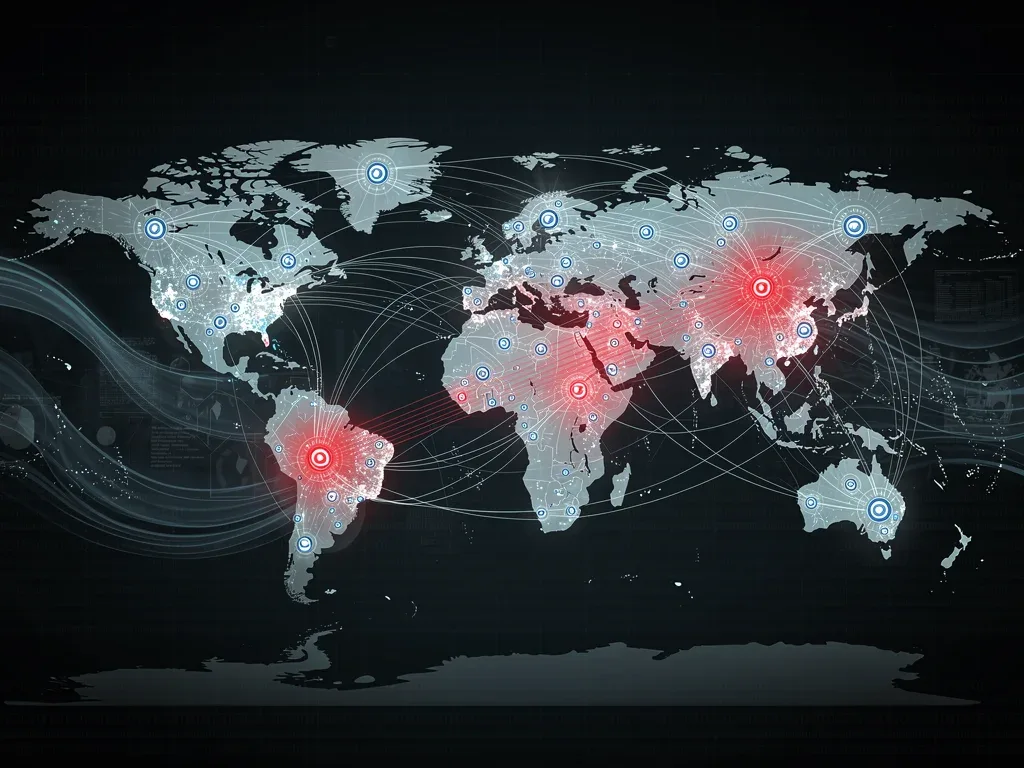
The geopolitical climate remains a primary driver of instability in global supply chains. As Q3 2026 approaches, ongoing conflicts, trade disputes, and shifting international alliances continue to exert significant pressure on traditional shipping lanes and manufacturing hubs. Businesses are increasingly forced to diversify sourcing and reroute logistics, often incurring higher costs and longer lead times.
The intricate web of international relations means that a localized conflict can have ripple effects across continents. Companies with highly concentrated supply bases or reliance on single transportation corridors are particularly vulnerable. The need for robust risk assessment and contingency planning has never been more evident.
Impact on Key Regions
Certain regions are feeling the brunt of these geopolitical shifts more acutely than others. The Indo-Pacific, for instance, remains a focal point due to its strategic importance in global manufacturing and shipping. Tensions here can quickly escalate, impacting everything from semiconductor production to consumer goods distribution.
- East Asia: Continued trade policy adjustments and potential regional disputes pose risks to electronics and automotive components.
- Eastern Europe: Lingering effects of conflict and sanctions continue to disrupt energy and agricultural supply lines, with broader implications for European industries.
- Middle East: Volatility in this region impacts oil and gas prices, directly affecting transportation costs for all goods globally.
Navigating these complex geopolitical currents requires constant vigilance and adaptability. Companies are investing in geopolitical intelligence platforms to gain early warnings and make more informed decisions about their supply chain architecture, moving away from purely cost-driven strategies towards resilience-focused models.
Climate Change: The Unpredictable Variable
Climate change is no longer a distant threat but a present reality actively contributing to supply chain disruptions Q3 2026. Extreme weather events are becoming more frequent and severe, directly impacting agricultural output, infrastructure, and transportation networks. From devastating floods disrupting inland logistics to intense droughts affecting waterborne trade, the physical impacts are undeniable.
These climate-induced disruptions are particularly challenging because their timing and intensity are often unpredictable. Businesses must contend with sudden factory closures, damaged roads and ports, and reduced availability of essential raw materials, all stemming from environmental shifts. The long-term implications demand a fundamental rethinking of how and where goods are produced and moved.
Adapting to Environmental Volatility
Companies are beginning to integrate climate risk assessments into their supply chain planning. This involves evaluating the vulnerability of their physical assets and logistical routes to various climate hazards. Investment in climate-resilient infrastructure and diversified sourcing strategies are becoming paramount.
- Weather Resilience: Developing alternative transportation routes and warehousing solutions in less climate-vulnerable areas.
- Sustainable Sourcing: Prioritizing suppliers who demonstrate strong environmental stewardship and have robust climate adaptation plans.
- Early Warning Systems: Utilizing advanced meteorological data and AI-driven predictive analytics to anticipate and prepare for extreme weather events.
The increasing frequency of these events necessitates a proactive rather than reactive approach. Businesses that fail to account for climate change in their Q3 2026 supply chain strategies risk significant operational and financial setbacks, highlighting the urgent need for sustainable and resilient practices.
Technological Advancements and Cybersecurity Threats
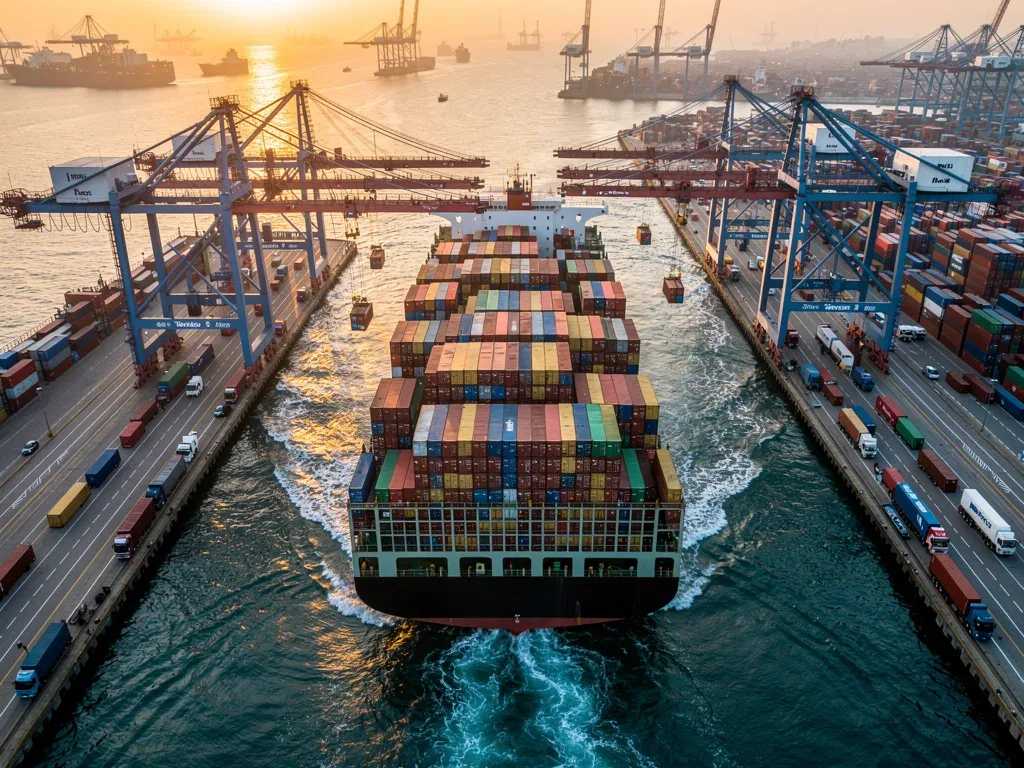
Technology continues to be a double-edged sword in the context of supply chains. While innovations offer unprecedented opportunities for efficiency and transparency, they also introduce new vulnerabilities. For Q3 2026, the rapid adoption of IoT, AI, and automation is transforming logistics, yet simultaneously expanding the attack surface for cyber threats, leading to potential supply chain disruptions Q3 2026.
Cybersecurity breaches can cripple operations, from disrupting inventory management systems to halting production lines. The interconnected nature of modern supply chains means that a vulnerability in one partner’s system can have cascading effects throughout the entire network. Protecting digital assets is as crucial as safeguarding physical ones.
Leveraging Innovation, Mitigating Risk
The push for digital transformation includes implementing advanced analytics for demand forecasting, blockchain for enhanced traceability, and autonomous vehicles for last-mile delivery. These technologies promise greater efficiency and reduced human error, but their integration requires rigorous security protocols.
- AI for Predictive Analytics: Using artificial intelligence to anticipate demand fluctuations and potential disruptions, optimizing inventory and routing.
- Blockchain for Transparency: Enhancing visibility and trust across the supply chain by providing an immutable record of transactions and product movements.
- Automated Logistics: Deploying robotics and autonomous systems in warehouses and for transportation to improve speed and reduce labor dependencies.
However, alongside these advancements, the threat of cyberattacks grows. Companies must invest heavily in cybersecurity measures, including robust firewalls, intrusion detection systems, and employee training. Collaborative security frameworks with supply chain partners are essential to create a resilient digital ecosystem against evolving threats.
Economic Shifts and Inflationary Pressures
The global economic environment continues to be characterized by fluctuating inflation, interest rate adjustments, and varying consumer demand. These economic shifts are significant contributors to supply chain disruptions Q3 2026, impacting everything from raw material costs to consumer purchasing power. Businesses face the challenge of managing rising operational expenses while maintaining competitive pricing.
Inflationary pressures can erode profit margins, making long-term planning difficult. The cost of labor, energy, and transportation continues to be volatile, forcing companies to constantly re-evaluate their pricing strategies and operational efficiencies. These economic headwinds demand agile financial management and strategic sourcing.
Navigating Volatile Markets
Companies are employing various strategies to mitigate the impact of economic volatility. This includes hedging against currency fluctuations, negotiating long-term contracts with suppliers, and exploring nearshoring or reshoring options to reduce transportation costs and lead times. The focus is on building financial resilience into the supply chain structure.
- Cost Optimization: Implementing lean manufacturing principles and optimizing inventory levels to reduce holding costs.
- Diversified Sourcing: Spreading procurement across multiple regions and suppliers to reduce reliance on single-source markets susceptible to inflation.
- Flexible Pricing Models: Adopting dynamic pricing strategies that can quickly adapt to changes in input costs and market demand.
The ability to accurately forecast economic trends and respond swiftly to market changes is a key differentiator for businesses in Q3 2026. Those that can adapt their financial and operational models will be better positioned to absorb economic shocks and maintain stability amidst ongoing market volatility.
Labor Shortages and Workforce Dynamics
Persistent labor shortages across various sectors, particularly in logistics, manufacturing, and transportation, continue to be a significant factor in supply chain disruptions Q3 2026. The demographic shifts, changing workforce expectations, and the lingering effects of global events have created a tight labor market, leading to increased wages, recruitment challenges, and operational bottlenecks.
From truck drivers to warehouse staff and skilled factory workers, the scarcity of labor impacts the speed and efficiency of goods movement at every stage. This shortage not only increases direct labor costs but also leads to delays, reduced capacity, and a greater reliance on overtime, further straining operational budgets.
Addressing the Human Element
To combat labor shortages, businesses are exploring a multi-faceted approach that combines technological solutions with improved human resource strategies. Automation is playing a crucial role in tasks that are repetitive or physically demanding, while investments in training and employee retention programs are designed to attract and keep skilled workers.
- Automation and Robotics: Deploying automated guided vehicles (AGVs) in warehouses and robotic arms in manufacturing to reduce reliance on manual labor for certain tasks.
- Workforce Development: Investing in training programs, upskilling initiatives, and apprenticeship schemes to cultivate a skilled and adaptable workforce.
- Employee Engagement: Enhancing workplace conditions, offering competitive benefits, and fostering a positive work environment to improve retention rates.
Addressing the labor challenge effectively requires a blend of innovation and human-centric policies. Companies that can successfully attract, train, and retain their workforce will gain a competitive advantage in mitigating labor-induced supply chain bottlenecks for Q3 2026 and beyond.
Building Resilient Supply Chains: Strategies for Q3 2026
The cumulative effect of geopolitical tensions, climate change, technological risks, economic volatility, and labor shortages underscores the critical need for resilient supply chains. For Q3 2026, the focus must shift from merely optimizing for cost efficiency to building systems that can withstand and recover quickly from unforeseen disruptions. Resilience is no longer a luxury but a fundamental requirement for business continuity.
Achieving resilience involves a holistic approach that integrates risk management, technological adoption, and strategic partnerships. It’s about creating a supply chain that is not only robust but also agile and adaptable, capable of pivoting quickly in response to changing circumstances.
Key Strategies for Enhanced Resilience
Companies are implementing various strategies to enhance their supply chain resilience. This includes diversifying their supplier base, improving visibility across the entire network, and investing in advanced analytical tools that can provide early warnings and scenario planning capabilities.
- Diversification: Spreading sourcing and manufacturing across multiple geographical locations and suppliers to reduce dependency on single points of failure.
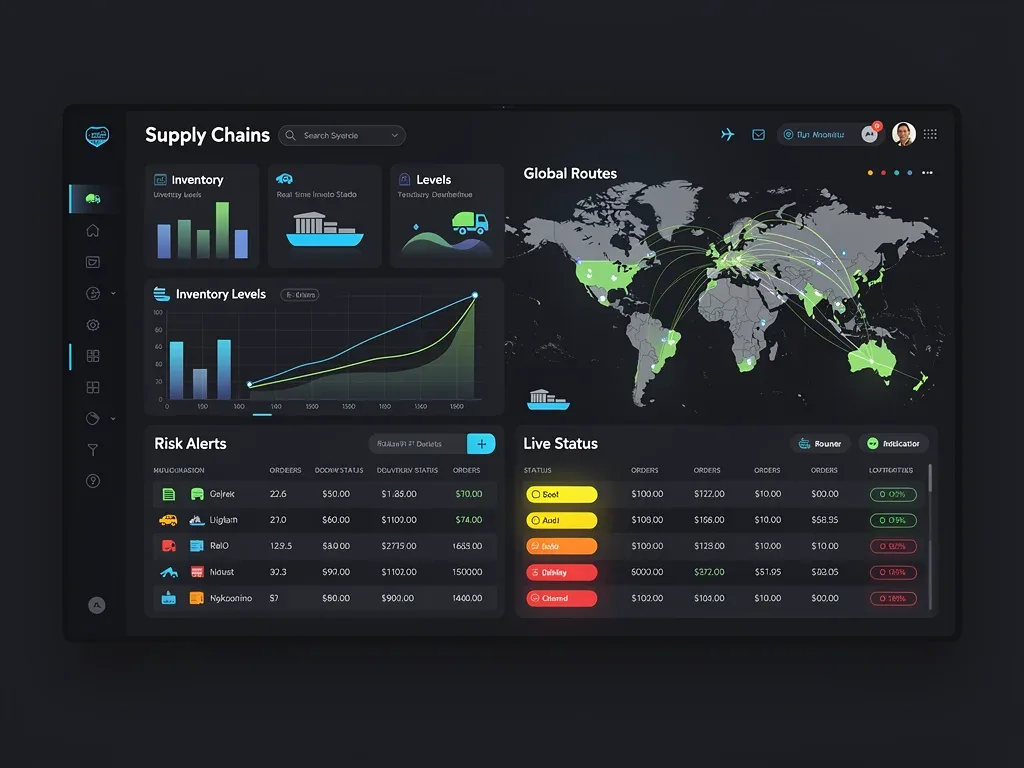
- Visibility and Transparency: Implementing digital tools and platforms to gain end-to-end visibility of goods in transit and inventory levels, enabling proactive decision-making.
- Scenario Planning: Developing detailed contingency plans for various disruption scenarios, including alternative routes, backup suppliers, and emergency logistics.
- Collaboration: Fostering stronger relationships with suppliers, logistics partners, and even competitors to share information and resources during crises.
The journey towards a truly resilient supply chain is ongoing and requires continuous investment and adaptation. By prioritizing these strategies, businesses can not only mitigate the impact of supply chain disruptions Q3 2026 but also emerge stronger and more competitive in a perpetually uncertain global environment.
| Key Disruption Factor | Brief Description of Impact |
|---|---|
| Geopolitical Tensions | Disrupts trade routes, increases costs, and necessitates diversification of sourcing. |
| Climate Change | Extreme weather impacts infrastructure, agriculture, and transportation, causing unpredictable delays. |
| Cybersecurity Threats | Digital vulnerabilities in interconnected systems can cripple operations and data integrity. |
| Labor Shortages | Reduces capacity, increases operational costs, and causes delays across logistics and manufacturing. |
Frequently Asked Questions About Supply Chain Disruptions in Q3 2026
What are the primary drivers of supply chain disruptions in Q3 2026?▼The main drivers include persistent geopolitical tensions, the increasing impact of climate change and extreme weather events, sophisticated cybersecurity threats, fluctuating economic conditions, and ongoing labor shortages across critical sectors like logistics and manufacturing.
How can businesses mitigate geopolitical risks in their supply chains?▼Mitigation strategies involve diversifying sourcing locations, establishing alternative trade routes, investing in geopolitical intelligence platforms for early warnings, and building strong relationships with multiple suppliers to reduce dependency on single regions or partners.
What role does technology play in addressing future supply chain challenges?▼Technology offers solutions like AI-driven predictive analytics for demand forecasting, blockchain for enhanced traceability and transparency, and automation for improving efficiency and reducing labor-intensive tasks, all contributing to a more resilient supply chain.
Are labor shortages expected to continue impacting supply chains in Q3 2026?▼Yes, labor shortages are anticipated to remain a significant factor. Companies are responding by increasing automation, investing in workforce development and training programs, and implementing better employee retention strategies to ensure adequate staffing across logistics and production.
What is the most crucial strategy for building resilient supply chains?▼The most crucial strategy is a holistic approach combining diversification of suppliers, enhanced end-to-end visibility, robust scenario planning for various disruptions, and fostering strong collaborative partnerships throughout the entire supply chain ecosystem.
Conclusion
The outlook for supply chain disruptions Q3 2026 underscores a complex and dynamic global environment. Businesses must contend with a confluence of geopolitical instability, the escalating effects of climate change, persistent economic volatility, evolving cybersecurity threats, and ongoing labor market challenges. The era of optimizing solely for cost efficiency has given way to a paramount need for resilience, adaptability, and proactive risk management. By embracing diversification, leveraging advanced technologies, and fostering strong collaborative networks, companies can navigate these turbulent waters, transforming potential vulnerabilities into opportunities for innovation and sustainable growth in the years to come.