Maximize Your 2026 Remote Work Benefits & Home Office Stipends

Advertisements
Effectively navigating remote work benefits and home office stipends in 2026 is essential for employees to maximize financial advantages and optimize their remote setup, requiring a thorough understanding of employer policies and strategic resource utilization.
The landscape of work has fundamentally shifted, and by 2026, remote and hybrid models have firmly established themselves as the norm for many. Understanding and effectively utilizing your 2026 remote work benefits and home office stipends is no longer a luxury but a necessity for financial well-being and productivity. This article delves into practical solutions to ensure you are maximizing every available resource.
Understanding the Evolving Remote Work Benefits Landscape
The shift to remote work has prompted companies to rethink their benefits packages. What was once a niche offering has become a standard expectation, with employers now competing to provide comprehensive support for their distributed workforces. This evolution means that simply having a remote setup is not enough; employees need to be proactive in understanding and leveraging the full spectrum of benefits available to them.
Many organizations are moving beyond basic internet reimbursement to more holistic support, recognizing that a well-supported remote employee is a more productive and engaged one. This holistic approach often encompasses financial, ergonomic, and well-being aspects, all designed to create a sustainable and effective remote work environment.
The foundation of remote work support
At its core, remote work support is about ensuring employees have the tools and environment to perform their jobs effectively from home. This typically starts with equipment and connectivity, but extends into areas that address the unique challenges of working outside a traditional office setting.
- Technological Provision: Companies are often providing laptops, monitors, webcams, and software licenses.
- Connectivity Reimbursement: A significant portion of employers offer stipends for high-speed internet to ensure seamless operations.
- Ergonomic Setup: Support for ergonomic chairs, standing desks, and other accessories to prevent health issues related to prolonged sitting.
Beyond the basics: emerging trends
As remote work matures, so do the benefits. Forward-thinking companies are introducing innovative perks that address the less obvious aspects of working from home. These can range from mental health support to professional development opportunities tailored for remote learning.
The goal is to foster a sense of connection and growth, even when physical proximity is absent. By staying informed about these evolving trends, employees can advocate for and utilize benefits that truly enhance their remote work experience.
In conclusion, the 2026 remote work benefits landscape is dynamic and increasingly employee-centric. Understanding these shifts and the rationale behind them empowers you to identify and utilize the benefits that best suit your individual needs and contribute to your overall success as a remote professional.
Decoding Home Office Stipends: What’s Covered in 2026?
Home office stipends have become a cornerstone of modern remote work compensation. These aren’t just arbitrary payments; they are designed to offset the costs associated with maintaining a productive workspace outside the traditional office. However, the specifics of what’s covered can vary significantly between employers and require careful examination.
In 2026, companies are becoming more sophisticated in how they structure these stipends. Some offer a flat monthly allowance, while others provide reimbursement for specific categories of expenses. Understanding your company’s particular policy is the first step toward maximizing this valuable benefit.
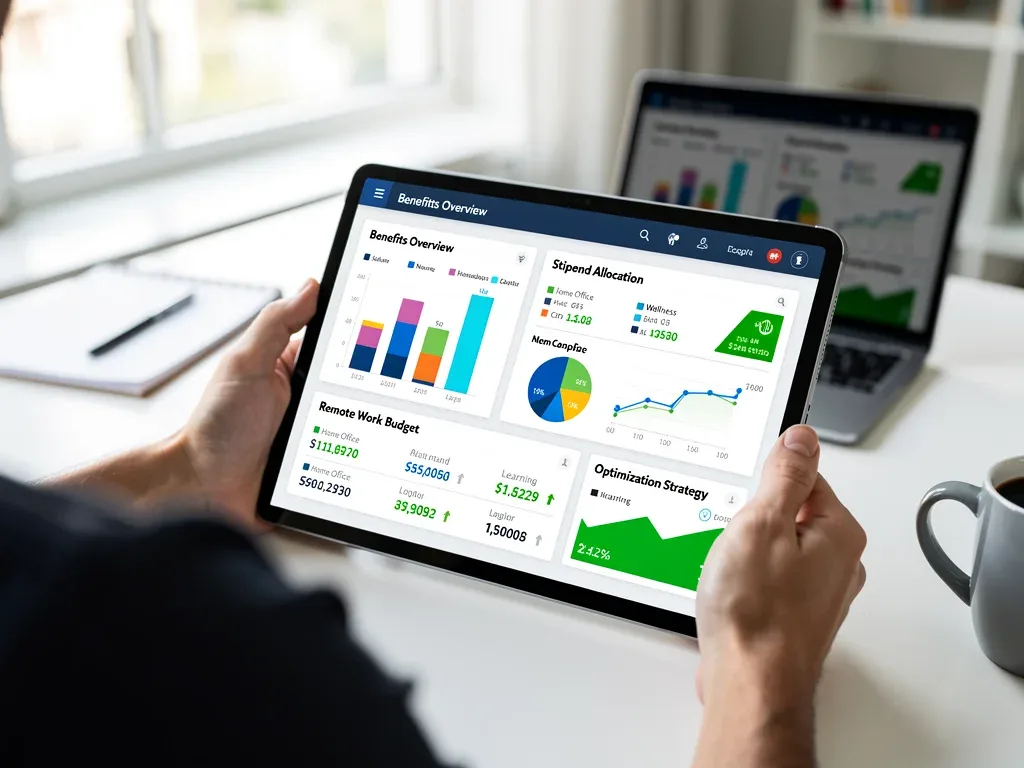
Many policies are evolving to be more flexible, acknowledging that remote employees have diverse needs. This flexibility can be a huge advantage if you know how to navigate it effectively.
Common categories of eligible expenses
While policies differ, several expense categories are commonly covered by home office stipends. Keeping detailed records and understanding the allowable limits for each category is vital for successful reimbursement.
- Utilities: A portion of electricity, heating/cooling, and internet bills.
- Office Supplies: Printer ink, paper, pens, notebooks, and other consumables.
- Equipment Maintenance: Repairs for company-provided or approved personal equipment used for work.
- Software Subscriptions: Tools necessary for your role, if not directly provided by the company.
Navigating reimbursement processes
The process for claiming home office stipends often involves submitting receipts and a detailed expense report. Familiarizing yourself with your company’s specific platform and timeline for submissions is crucial to avoid delays or rejections.
It’s also important to understand any tax implications. While many stipends are tax-free if used for legitimate business expenses, it’s always wise to consult with a tax professional to ensure compliance and maximize your personal financial advantage. Proper documentation is your best friend here.
In essence, decoding home office stipends in 2026 involves a thorough understanding of your employer’s policy, diligent record-keeping, and proactive engagement with the reimbursement process. By doing so, you can effectively leverage this benefit to enhance your remote work setup without incurring personal costs.
Strategic Maximization: Getting the Most Out of Your Benefits
Simply being aware of your remote work benefits isn’t enough; true value comes from strategically maximizing them. This involves a proactive approach, understanding the fine print, and aligning the benefits with your personal and professional needs. It’s about turning entitlements into tangible improvements in your work-life balance and productivity.
A strategic approach begins with a comprehensive review of your company’s benefits portal or HR documentation. Don’t assume you know everything; policies can change, and new benefits might be introduced. Regular check-ins ensure you’re always up-to-date with what’s available.
Leveraging professional development and wellness programs
Many companies offer stipends or direct access to professional development courses, online certifications, and wellness programs. These are often underutilized but can significantly impact your career growth and personal well-being.
Consider what skills are most valuable for your role or career trajectory and seek out relevant courses. Similarly, prioritize your mental and physical health by engaging with available wellness resources, which can include virtual fitness classes, meditation apps, or access to therapy services.
- Skill Enhancement: Use stipends for coding bootcamps, project management certifications, or language courses.
- Mental Health Support: Access company-sponsored therapy sessions or mindfulness applications.
- Physical Well-being: Participate in virtual gym memberships or ergonomic assessments.
Optimizing equipment and technology stipends
Beyond the initial setup, consider how you can use equipment stipends for upgrades or specialized tools that genuinely improve your efficiency. For instance, a high-quality noise-canceling headset can be invaluable for virtual meetings, or a second monitor can significantly boost productivity.
Always consider the long-term value. Investing in durable, high-performance equipment, even if it requires careful budgeting within your stipend limits, can pay dividends in comfort and productivity. Remember to always check for approved vendor lists or specific procurement guidelines from your employer.
Strategic maximization is about being an informed and proactive beneficiary. By carefully planning how you utilize each benefit, from professional development to ergonomic equipment, you transform passive offerings into active tools for personal and professional advancement in your remote work journey.
Ergonomics and Well-being: Investing in Your Remote Health
Working remotely often blurs the lines between professional and personal life, making it even more critical to prioritize physical and mental well-being. Companies are increasingly recognizing this, offering specific benefits and stipends aimed at supporting a healthy remote work lifestyle. Investing in proper ergonomics and mental health resources isn’t just a perk; it’s an investment in sustained productivity and employee retention.
Poor ergonomics can lead to a host of issues, from back pain and carpal tunnel syndrome to chronic fatigue. Similarly, the isolation that can sometimes accompany remote work necessitates robust mental health support. Understanding and utilizing these specific benefits is paramount for a sustainable remote career.
Creating an ergonomic sanctuary
Many employers now provide or reimburse for ergonomic assessments and equipment. This can include specialized chairs, adjustable desks, external monitors, and ergonomic keyboards and mice. Don’t underestimate the impact of these items on your daily comfort and long-term health.
Even small adjustments, like proper monitor height or keyboard placement, can make a significant difference. If your company offers an ergonomic consultation, take advantage of it. A professional can identify specific needs and recommend solutions tailored to your body and workspace.
- Ergonomic Chairs: Essential for proper posture and back support during long hours.
- Standing Desks: Allows for alternating between sitting and standing, reducing sedentary behavior.
- External Monitors: Improves screen real estate and often encourages better neck posture.
Prioritizing mental health and work-life balance
The mental toll of remote work, including potential isolation and increased screen time, is a growing concern. Many companies are responding with benefits like access to telehealth for mental health, mindfulness apps, and flexible work schedules that promote better work-life integration.
It’s crucial to set boundaries between work and personal life, even when both occur in the same physical space. Utilize any available resources, such as employee assistance programs (EAPs), to address stress or burnout. A healthy mind is just as important as a healthy body for sustained remote productivity.
In conclusion, actively investing in your ergonomic setup and mental well-being is a non-negotiable aspect of successful remote work in 2026. By leveraging your company’s dedicated benefits in these areas, you can create a healthier, more comfortable, and ultimately more productive remote working environment.
Tax Implications and Financial Planning for Remote Workers
While 2026 remote work benefits and home office stipends are fantastic for offsetting costs, understanding their tax implications is crucial for effective financial planning. The tax landscape for remote workers can be complex, involving federal, state, and sometimes even local regulations that differ based on your residency and where your employer is located.
Ignoring these financial nuances could lead to unexpected tax liabilities or missed opportunities for deductions. Proactive engagement with tax planning ensures you maximize your net benefits and avoid any unpleasant surprises come tax season.
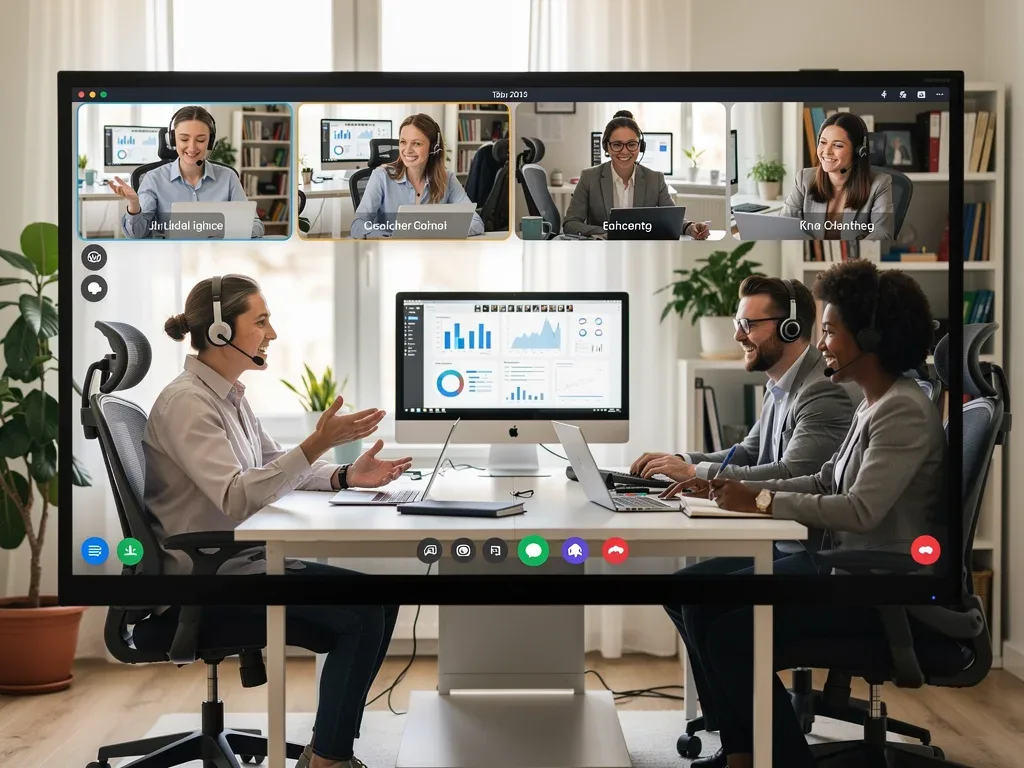
It’s not just about what you receive, but how it’s classified and reported. Some stipends might be considered taxable income, while others, particularly those for legitimate business expenses, might be non-taxable reimbursements. The distinction is vital.
Understanding taxable vs. non-taxable benefits
Generally, home office stipends that are considered accountable plans by the IRS (meaning they require substantiation of expenses and return of excess funds) are non-taxable. However, flat stipends or allowances without such accountability are often treated as taxable income.
- Accountable Plans: Reimbursements for specific, substantiated business expenses, generally non-taxable.
- Non-Accountable Plans: Flat allowances or payments without expense substantiation, typically taxable.
- Equipment Provision: Company-owned equipment provided for work use is usually not a taxable benefit.
State and local tax considerations
One of the most complex aspects for remote workers is navigating state and local taxes, especially if you live in a different state from your employer or if you travel frequently. Some states have specific rules regarding where income is sourced for tax purposes, which can impact your state tax obligations.
Consulting with a tax professional who specializes in multi-state taxation for remote workers is highly recommended. They can help you understand your specific obligations, identify potential deductions, and ensure you’re compliant with all relevant tax laws, ultimately optimizing your financial situation.
In summary, while remote work benefits enhance your financial standing, a clear understanding of tax implications and diligent financial planning are essential. By distinguishing between taxable and non-taxable benefits and addressing state-specific regulations, you can effectively manage your finances as a remote professional in 2026.
Advocating for Better Remote Work Benefits
The landscape of remote work benefits is still evolving, and employees have a significant role to play in shaping it. Advocating for better benefits isn’t just about personal gain; it contributes to creating a more supportive and equitable remote work environment for everyone. Effective advocacy requires data, clear communication, and an understanding of both employee needs and employer capabilities.
Many companies are open to feedback and suggestions, especially when presented with well-reasoned arguments that highlight mutual benefits. It’s about demonstrating how certain benefits can lead to increased productivity, higher retention rates, and improved employee well-being, all of which are attractive to employers.
Gathering data and presenting your case
When advocating for new or improved benefits, come prepared with data. This could include industry benchmarks, surveys on remote employee needs, or even internal data on how current benefits are (or aren’t) meeting expectations. Quantifiable evidence strengthens your position significantly.
- Industry Benchmarks: Research what other companies in your sector offer.
- Internal Surveys: Collect anonymous feedback from colleagues on desired benefits.
- Cost-Benefit Analysis: Present how a proposed benefit could save the company money or increase productivity.
Effective communication channels
Choose the right channel and timing for your advocacy. This might involve speaking with your direct manager, HR representatives, or even participating in employee resource groups dedicated to remote work issues. A collaborative and constructive approach is usually more effective than a confrontational one.
Focus on solutions and how new benefits can address common pain points. For example, instead of just saying “we need better internet stipends,” explain how inconsistent connectivity impacts project deadlines and team collaboration, and then propose a revised stipend structure.
Ultimately, advocating for better 2026 remote work benefits is an ongoing process that requires active participation and thoughtful communication. By presenting well-researched proposals and engaging constructively with management, employees can help shape a more beneficial and supportive remote work ecosystem for themselves and their colleagues.
Future-Proofing Your Remote Work Setup and Benefits
As we look beyond 2026, the world of remote work will continue to evolve, presenting new challenges and opportunities. Future-proofing your remote work setup and benefits strategy means staying adaptable, continuously learning, and anticipating technological and policy shifts. It’s about building a resilient and sustainable remote career.
The rapid pace of technological innovation, coupled with changing economic conditions and evolving workforce expectations, means that what works today might not be optimal tomorrow. A forward-thinking approach ensures you remain competitive and comfortable in your remote role.
Embracing emerging technologies
Keep an eye on new technologies that can enhance your remote productivity and well-being. This could include advancements in collaborative software, AI-powered tools for task management, or even more immersive virtual reality platforms for meetings and training. Leveraging these tools can make your work more efficient and engaging.
- AI Assistants: Utilize AI for scheduling, data analysis, or content generation.
- Immersive Collaboration: Explore VR/AR tools for more engaging virtual meetings.
- Smart Home Integration: Automate your home office environment for optimal comfort and focus.
Staying informed on policy changes
Company policies regarding remote work and benefits are not static. They can change due to economic pressures, employee feedback, or shifts in legal and regulatory environments. Regularly review HR communications and participate in company forums to stay abreast of any updates.
Beyond your immediate employer, pay attention to broader trends in remote work legislation and best practices. Understanding these larger shifts can help you anticipate changes and even contribute to shaping future policies through informed advocacy.
In essence, future-proofing your remote work setup involves a commitment to continuous learning and adaptation. By embracing new technologies, staying informed about policy changes, and proactively managing your benefits, you can ensure your remote career remains robust and rewarding for years to come.
| Key Aspect | Brief Description |
|---|---|
| Evolving Benefits | Companies offer holistic support beyond basic equipment, including wellness and professional growth. |
| Home Office Stipends | Covers utilities, supplies, and equipment; requires detailed record-keeping and policy understanding. |
| Strategic Maximization | Proactively use benefits for professional development, ergonomic upgrades, and personal well-being. |
| Tax & Financial Planning | Understand tax implications of stipends and seek professional advice for compliance and optimization. |
Frequently asked questions about remote work benefits
What types of home office expenses are typically covered by stipends?▼Home office stipends commonly cover a range of expenses including a portion of utility bills (internet, electricity), office supplies like paper and ink, and ergonomic equipment such as chairs or standing desks. Specifics vary by employer, so always check your company’s policy for detailed eligibility.
Are remote work stipends taxable income?▼Whether remote work stipends are taxable depends on how they are structured. If your employer uses an accountable plan requiring expense substantiation, they are generally non-taxable. Flat allowances without accountability are often considered taxable income. Consulting a tax professional is recommended for personalized advice.
How can I advocate for better remote work benefits at my company?▼To advocate effectively, gather data on industry benchmarks and employee needs. Present your case to HR or management with a focus on how improved benefits can boost productivity and retention. Use clear, constructive communication and highlight mutual benefits for both employees and the company.
What role does ergonomics play in maximizing remote work benefits?▼Ergonomics is crucial for long-term health and productivity in remote work. Maximizing related benefits means utilizing stipends for ergonomic chairs, standing desks, and professional assessments. A comfortable and healthy setup reduces strain, prevents injuries, and enhances focus, ultimately improving your overall work experience.
How can I future-proof my remote work setup and benefits strategy?▼Future-proofing involves staying adaptable and informed. Embrace emerging technologies that enhance productivity, like AI tools or advanced collaboration platforms. Continuously review company policies and industry trends to anticipate changes. Proactive learning and strategic adjustments ensure your remote career remains robust and efficient.
Conclusion
Effectively navigating the complex landscape of 2026 remote work benefits and home office stipends is paramount for any remote professional. From meticulously understanding your employer’s offerings to strategically investing in your ergonomic health and financial planning, each step contributes to a more productive and sustainable remote career. By staying informed, advocating for your needs, and embracing continuous adaptation, you can truly maximize the advantages of remote work, transforming potential challenges into opportunities for growth and well-being. The future of work is here, and with the right strategies, you are well-equipped to thrive within it.