Digital Wellness Benefits 2026: Employee Health Investments
Advertisements
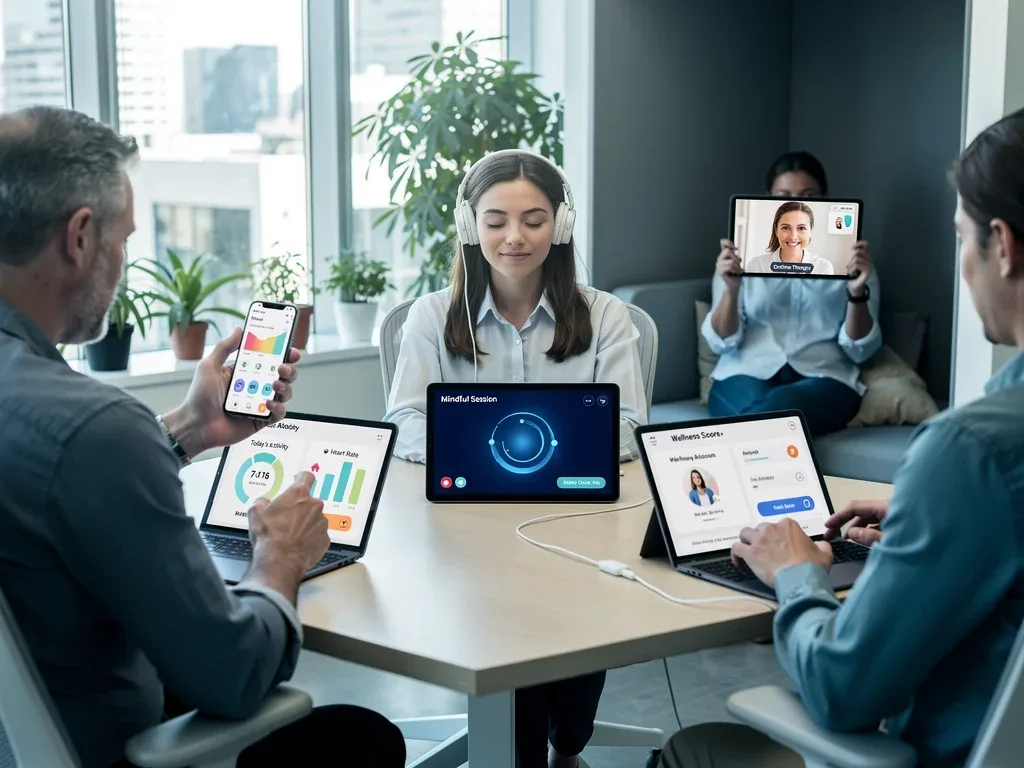
Companies are significantly enhancing digital wellness benefits in 2026, investing in comprehensive platforms, AI-driven personalized health, and mental health support to improve employee well-being and productivity.
In 2026, the landscape of corporate benefits is undergoing a profound transformation, with a significant emphasis on digital wellness benefits. Companies are increasingly recognizing that a healthy workforce is not just about physical well-being, but encompasses mental, emotional, and financial health, all amplified by technological integration. This shift reflects a strategic investment in employee health, aiming to foster a more resilient, engaged, and productive team in an ever-evolving digital world.
The Evolution of Digital Wellness in the Workplace
The concept of wellness in the workplace has expanded dramatically over the past few years, moving beyond traditional gym memberships and annual health check-ups. Today, digital solutions are at the forefront, offering unprecedented accessibility and personalization. This evolution is driven by both employee demand for flexible, on-demand support and employer recognition of the tangible benefits of a truly holistic wellness strategy.
As we navigate 2026, companies are not merely adopting digital tools but are integrating them into the very fabric of their organizational culture. This involves a strategic approach to selecting, implementing, and promoting platforms that genuinely resonate with employee needs and contribute to a healthier work-life balance.
Personalized Pathways to Well-being
One of the most significant advancements in digital wellness is the move towards hyper-personalization. Generic solutions are being replaced by platforms that adapt to individual employee needs, preferences, and health goals.
- AI-driven Health Coaching: Advanced AI algorithms analyze individual data to provide tailored health advice, fitness routines, and nutritional guidance.
- Adaptive Mental Health Support: Digital platforms now offer personalized therapy recommendations, mindfulness exercises, and cognitive behavioral therapy (CBT) programs based on user input and progress.
- Customized Financial Planning: Tools that assess individual financial situations and offer personalized advice on budgeting, savings, and investment strategies.
The ability to offer bespoke wellness journeys ensures higher engagement and more effective outcomes, moving away from a one-size-fits-all approach that often falls short of addressing diverse employee requirements. This personalization is key to making digital wellness benefits truly impactful.
Mental Health Support: A Digital Imperative
Mental health has emerged as a critical focus area for companies investing in digital wellness. The stigmas surrounding mental health are slowly eroding, replaced by a proactive approach to providing accessible and confidential support through digital channels.
In 2026, companies are prioritizing mental health platforms that offer a spectrum of services, from preventative care to acute crisis support. The goal is to create an environment where employees feel empowered to seek help without fear of judgment or professional repercussions.
Integrating Tele-therapy and Mindfulness Apps
Tele-therapy has become a cornerstone of modern mental health support, offering convenient access to licensed professionals. Digital wellness benefits now often include subsidized or fully covered virtual therapy sessions, making mental healthcare more attainable.
- On-demand Counseling: Employees can schedule virtual appointments with therapists and counselors at times that suit their schedules, eliminating geographical barriers.
- Mindfulness and Meditation Apps: Premium subscriptions to apps like Calm or Headspace are common offerings, providing guided meditations, sleep stories, and stress-reduction techniques.
- Digital CBT Programs: Interactive programs that teach employees coping mechanisms for anxiety, depression, and stress, often available 24/7.
These digital tools not only provide immediate relief but also equip employees with long-term strategies for managing their mental well-being, fostering resilience and emotional intelligence. The focus is on proactive mental health management rather than reactive crisis intervention.
Physical Well-being: Beyond the Gym
While physical fitness remains a core component of employee wellness, the delivery of these benefits has largely shifted to digital platforms. Companies are moving beyond traditional gym memberships to embrace a wider array of virtual fitness and health monitoring solutions.
The emphasis is on making physical activity and healthy habits accessible and engaging, regardless of an employee’s location or physical capabilities. This includes everything from virtual personal training to sophisticated health tracking devices.
Wearable Technology and Virtual Fitness
Wearable technology plays a pivotal role in modern digital wellness programs, allowing employees to track their activity, sleep, and even stress levels, often integrating with corporate wellness platforms for personalized feedback and challenges.
- Subsidized Wearables: Many companies offer subsidies or discounts on fitness trackers and smartwatches to encourage their use.
- Virtual Group Classes: Live and on-demand fitness classes, from yoga to HIIT, are readily available, fostering a sense of community and accountability.
- Digital Nutrition Coaching: Apps and platforms that help employees track their diet, plan meals, and receive guidance from registered dietitians.
These initiatives promote a culture of health and proactive self-care, helping employees maintain optimal physical condition and reduce the risk of chronic diseases. The convenience and variety of digital options make it easier for employees to integrate physical wellness into their daily lives.
Financial Wellness: Securing Employee Futures Digitally
Financial stress is a significant contributor to overall employee unwellness, impacting productivity and mental health. Recognizing this, companies are increasingly incorporating digital financial wellness benefits to help employees manage their finances more effectively and plan for the future.
These programs aim to reduce financial anxiety by providing employees with the tools, knowledge, and support needed to achieve financial stability and security. The digital format ensures these resources are accessible and user-friendly.
Budgeting Tools and Investment Guidance
Digital platforms now offer a range of financial tools, from basic budgeting applications to sophisticated investment guidance, empowering employees to take control of their financial health.
- Personalized Budgeting Apps: Tools that help employees track income and expenses, set financial goals, and monitor progress.
- Retirement Planning Simulators: Interactive platforms that allow employees to visualize their retirement savings and adjust their contributions accordingly.
- Financial Literacy Workshops: Online courses and webinars covering topics such as debt management, saving strategies, and investment basics.
By addressing financial well-being through digital solutions, companies are not only supporting their employees’ personal lives but also contributing to a more focused and less stressed workforce. This holistic approach acknowledges the interconnectedness of all aspects of well-being.
The Role of Technology in Holistic Wellness Integration
The true power of digital wellness benefits in 2026 lies in their ability to integrate various aspects of well-being into a cohesive, user-friendly experience. Companies are leveraging advanced technology, including AI and machine learning, to create seamless and impactful wellness ecosystems.
This integration ensures that employees can access all their wellness resources from a single point, often through a dedicated app or portal, making it easier to engage with the programs and track their progress across different dimensions of health.
Unified Wellness Platforms and Data Analytics
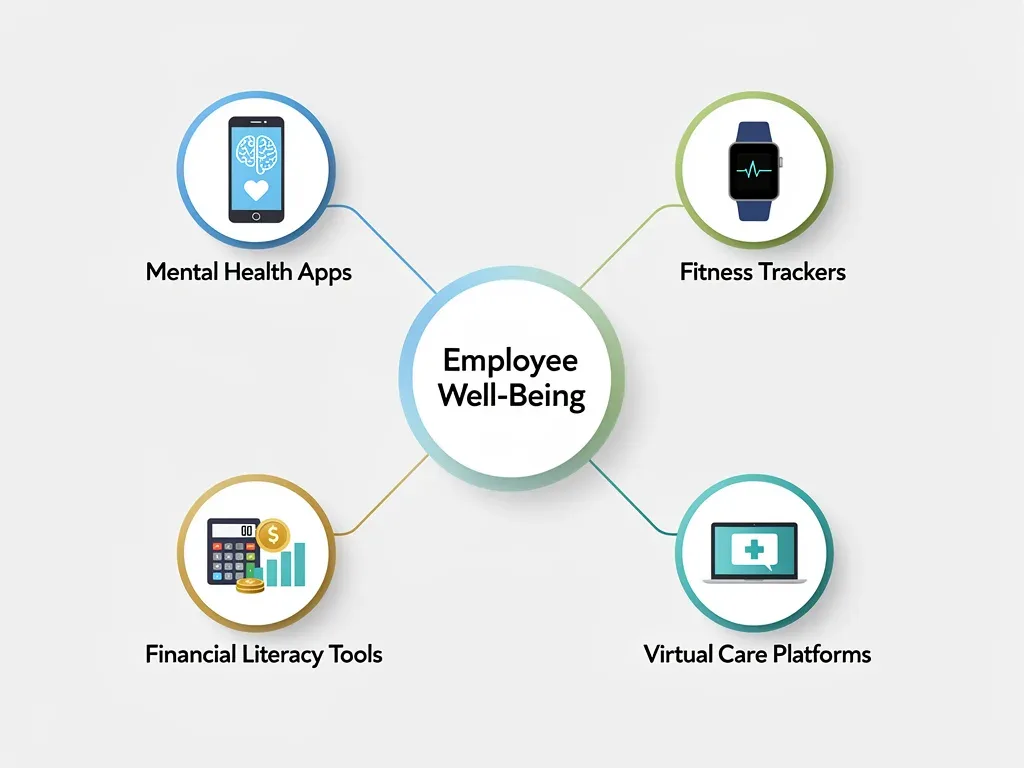
Leading companies are investing in unified wellness platforms that consolidate all digital wellness offerings, from mental health support to physical fitness challenges and financial planning tools.
- Centralized Access: A single platform or app where employees can access all their wellness benefits, track their progress, and engage with personalized recommendations.
- AI-driven Insights: Leveraging data analytics to understand employee wellness trends, identify areas for improvement, and tailor future benefit offerings.
- Gamification and Rewards: Incorporating game-like elements and incentives to encourage participation and sustained engagement with wellness activities.
These integrated platforms not only enhance the user experience but also provide valuable insights for HR and benefits teams, allowing them to refine their strategies and demonstrate the return on investment for wellness initiatives. The focus is on creating a supportive and empowering digital environment.
Challenges and Future Outlook for Digital Wellness
While the adoption of digital wellness benefits is accelerating, challenges remain, particularly concerning data privacy, equitable access, and ensuring genuine engagement. Companies must navigate these complexities to maximize the effectiveness of their programs.
Looking ahead, the future of digital wellness is bright, with continuous innovation promising even more sophisticated and personalized solutions. The emphasis will remain on creating truly impactful programs that foster a culture of holistic well-being.
Addressing Data Privacy and Equity
Data privacy is paramount in digital wellness. Companies must ensure that employee health data is protected and used responsibly, building trust and encouraging participation. Equitable access also means addressing the digital divide, ensuring all employees can benefit from these offerings.
- Robust Data Security: Implementing stringent security measures and clear privacy policies to protect sensitive employee health information.
- Inclusive Design: Designing digital wellness platforms that are accessible to all employees, regardless of technical proficiency or disability.
- Bridging the Digital Divide: Providing support and resources for employees who may lack access to necessary devices or internet connectivity.
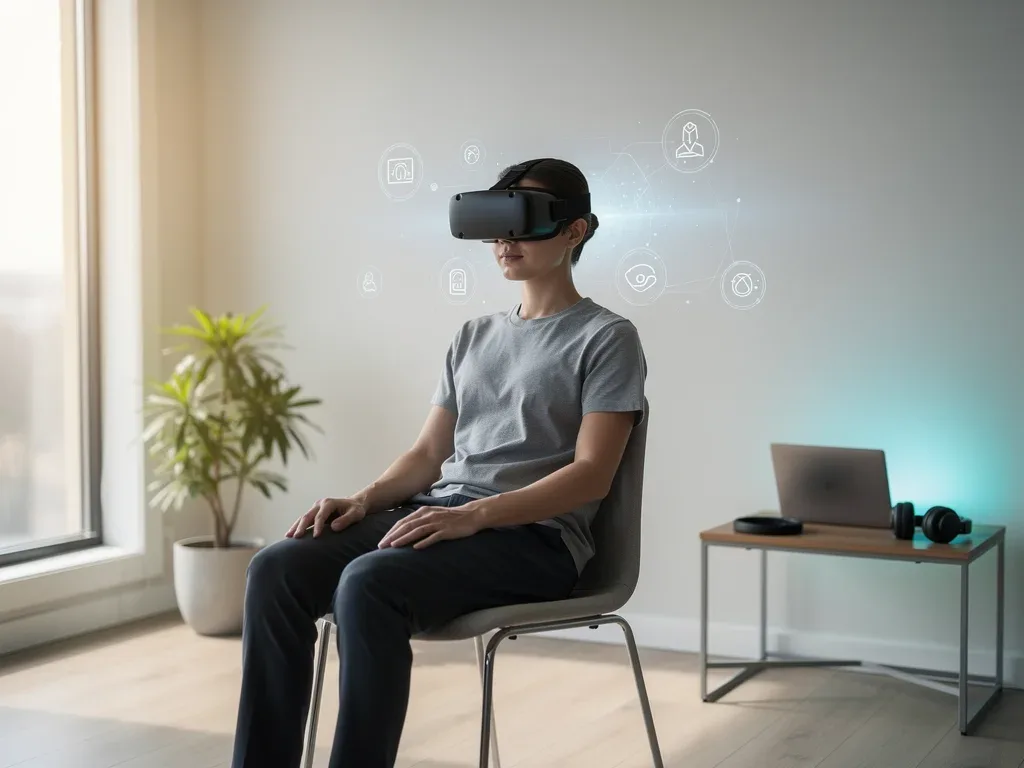
The future will likely see further advancements in personalized AI coaches, immersive virtual reality wellness experiences, and even predictive analytics to identify potential health risks before they manifest. The goal is to create a proactive, preventative, and empowering wellness landscape that truly supports the modern workforce.
| Key Aspect | Description in 2026 |
|---|---|
| Personalized Wellness | AI-driven platforms offer tailored health, mental health, and financial guidance based on individual employee data. |
| Mental Health Focus | Increased access to tele-therapy, mindfulness apps, and digital CBT programs for comprehensive mental well-being. |
| Integrated Platforms | Unified digital hubs consolidate all wellness benefits, offering seamless user experience and data analytics. |
| Data Privacy & Equity | Emphasis on robust data security and ensuring equitable access to digital tools for all employees. |
Frequently Asked Questions About Digital Wellness Benefits
What are the primary components of digital wellness benefits in 2026?▼In 2026, digital wellness benefits primarily include AI-driven personalized health coaching, comprehensive mental health support via tele-therapy and mindfulness apps, virtual fitness programs integrated with wearable technology, and digital financial planning tools, all accessible through unified platforms.
How do companies ensure data privacy with digital wellness platforms?▼Companies prioritize data privacy by implementing stringent security protocols, adhering to relevant regulations like HIPAA, and ensuring clear, transparent privacy policies. They often partner with reputable third-party wellness providers who specialize in data protection and anonymity for employee health information.
What role does AI play in personalized digital wellness?▼AI plays a crucial role by analyzing individual employee data to provide highly personalized recommendations for fitness, nutrition, mental health, and financial planning. This ensures that wellness programs are tailored to specific needs and preferences, leading to higher engagement and more effective outcomes for employees.
Are digital wellness benefits accessible to all employees?▼Forward-thinking companies strive for equitable access by designing inclusive platforms, providing support for employees with varying technical proficiencies, and addressing potential digital divides. This might include offering devices or internet access to ensure all team members can utilize the available digital wellness resources.
How do digital wellness programs impact employee productivity and retention?▼By fostering better mental, physical, and financial health, digital wellness programs significantly reduce stress, improve focus, and boost overall morale. This leads to increased productivity, lower absenteeism, and higher employee satisfaction, ultimately contributing to better talent retention and a more resilient workforce.
Conclusion
The investment in digital wellness benefits by companies in 2026 is a clear indicator of a paradigm shift in how organizations perceive and support employee health. Moving beyond mere perks, these comprehensive digital strategies are designed to cultivate a workforce that is not only physically healthy but also mentally resilient, financially secure, and deeply engaged. As technology continues to evolve, so too will the sophistication and reach of these wellness programs, promising a future where employee well-being is intrinsically linked to organizational success. The proactive adoption and continuous refinement of these digital solutions will be crucial for companies aiming to attract and retain top talent in an increasingly competitive global market, ultimately creating a more supportive and thriving work environment for everyone.