Meal Planning for Maximum Savings: Reduce Waste & Costs
Advertisements
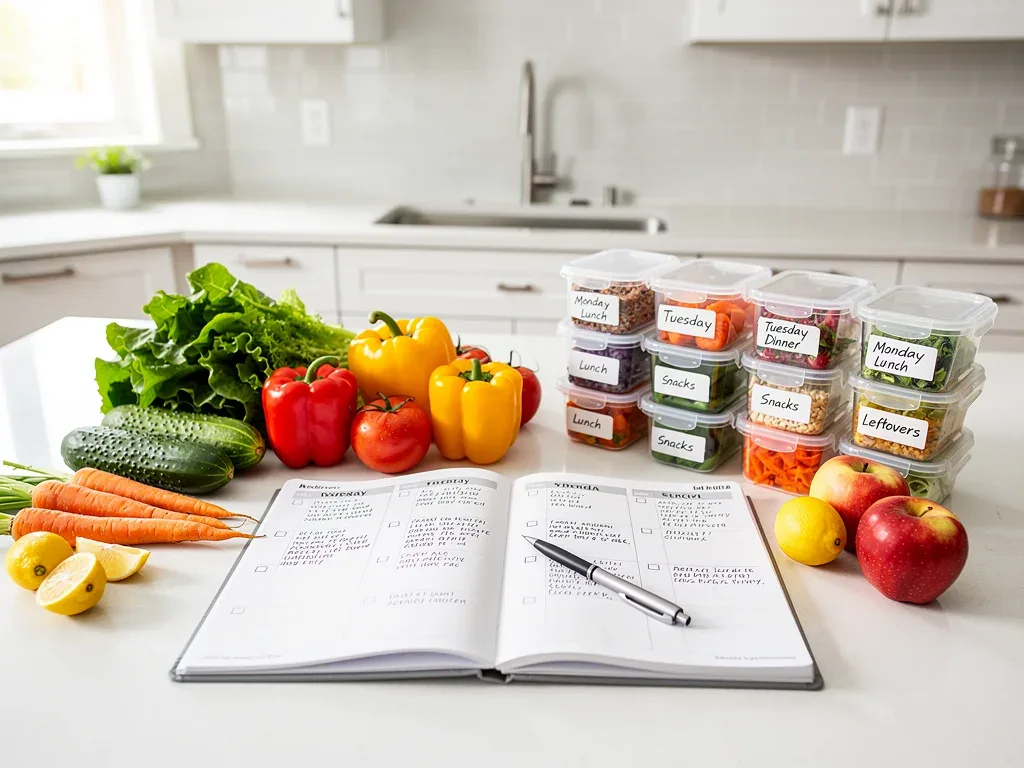
Implementing a strategic 7-day meal plan can significantly reduce food waste and grocery costs by up to 30%, offering practical solutions for more efficient household budgeting and healthier eating habits.
Are you tired of throwing away perfectly good food or watching your grocery bills skyrocket each month? Discover how meal planning for maximum savings can revolutionize your kitchen, cutting food waste and expenses by a remarkable 30%.
understanding the true cost of food waste
Food waste is more than just a minor inconvenience; it’s a significant financial drain for households across the United States. Many people underestimate how much food they discard annually, often leading to hundreds, if not thousands, of dollars literally thrown into the trash. This waste isn’t just about uneaten leftovers; it encompasses spoiled produce, expired pantry items, and impulse buys that never get used.
The environmental impact is equally staggering, contributing to landfill overload and greenhouse gas emissions. Recognizing the full scope of this problem is the first step toward adopting more sustainable and economical habits. By understanding where your food waste originates, you can begin to implement targeted strategies to mitigate it effectively.
the hidden expenses of unplanned eating
Without a clear meal plan, daily food decisions often lead to higher costs. Spontaneous trips to the grocery store for a single forgotten ingredient, frequent dining out because there’s ‘nothing to eat’ at home, or buying excessive amounts of perishable goods are common pitfalls. These behaviors accumulate, eroding your budget and increasing the likelihood of food going bad before it can be consumed.
- Impulse Purchases: Unplanned shopping often results in buying items not on a list, many of which are unnecessary or duplicates.
- Restaurant Meals: Eating out, even fast casual, is significantly more expensive than cooking at home.
- Spoiled Groceries: Without a plan, fresh produce and dairy are often purchased without a clear intention for use, leading to spoilage.
- Time Costs: Repeated trips to the store not only cost money but also valuable time.
The cumulative effect of these small, seemingly insignificant choices can lead to a substantial overspend on food each month. A structured approach to meal planning directly addresses these issues, providing a roadmap for efficient and economical food consumption.
In essence, acknowledging the financial and environmental burden of food waste and unplanned eating is crucial. It sets the stage for appreciating the transformative power of meal planning, not just as a cost-saving measure, but as a path to a more organized and sustainable lifestyle.
the foundational principles of effective meal planning
Effective meal planning is built on a few core principles that, when consistently applied, can yield significant results in both savings and waste reduction. It’s not about rigid adherence to a strict diet, but rather about thoughtful preparation and smart decision-making regarding your food supply. These principles serve as the bedrock for any successful meal planning strategy, ensuring you get the most out of your efforts.
The goal is to create a system that works for your lifestyle, not against it. Flexibility, awareness, and a proactive mindset are key components that differentiate successful meal planners from those who struggle to maintain the habit. By internalizing these foundations, you’ll find the process becomes intuitive and genuinely beneficial.
assessing your current habits and resources
Before you can plan effectively, you need to understand your starting point. This involves taking an honest look at your current eating habits, your household’s dietary preferences, and the resources you have available. What do you typically eat? What ingredients do you already have in your pantry, fridge, and freezer? How much time can you realistically dedicate to cooking each week?
- Inventory Check: Regularly check your pantry, fridge, and freezer to know what you already own.
- Dietary Needs: Consider allergies, preferences, and nutritional goals for all household members.
- Time Availability: Be realistic about how much time you have for cooking and meal preparation.
- Budget Allocation: Define a clear budget for groceries to guide your shopping decisions.
This initial assessment helps prevent redundant purchases and ensures your meal plan aligns with your real-world capacity. It’s about working smarter, not harder, by leveraging what you already have and understanding your constraints.
setting clear goals for savings and waste reduction
Once you have a clear picture of your current situation, establish specific, measurable, achievable, relevant, and time-bound (SMART) goals. Do you aim to cut your grocery bill by 20%? Reduce food waste to almost zero? Cook at home five nights a week? Clear goals provide direction and motivation, making it easier to track progress and stay committed.
For instance, aiming to reduce your monthly grocery spending by $100 or ensuring no fresh produce goes bad each week are tangible objectives. These goals transform abstract desires into actionable targets, making the entire meal planning process more purposeful and rewarding. Regularly reviewing these goals helps you adjust your strategy as needed and celebrate your successes.
By understanding your habits, assessing resources, and setting clear goals, you lay a robust foundation for a meal planning system that is both effective and sustainable. These foundational principles are not just theoretical; they are practical steps that lead directly to tangible savings and a more efficient kitchen.
the 7-day meal planning framework: step-by-step implementation
Implementing a 7-day meal planning framework might seem daunting at first, but by breaking it down into manageable steps, it becomes an achievable and highly rewarding habit. This structured approach helps you visualize your week’s meals, optimize your grocery list, and minimize both stress and waste. The key is consistency and a willingness to adapt as you learn what works best for your household.
Each step builds upon the last, creating a cohesive system that transforms chaotic meal times into organized, cost-effective routines. Embrace this framework not as a rigid rulebook, but as a flexible guide to culinary efficiency.
day 1-2: planning and inventory
Begin your week by dedicating time to plan and take stock. On day one, review your calendar for the upcoming week, noting any events or commitments that might affect meal preparation. Then, conduct a thorough inventory of your pantry, refrigerator, and freezer. Identify ingredients that need to be used soon, and categorize what you have on hand.
- Calendar Review: Check for busy evenings, social events, or days you might dine out.
- Pantry Assessment: List all existing ingredients, prioritizing those nearing expiration.
- Meal Theme Brainstorm: Consider themes like ‘Meatless Monday’ or ‘Taco Tuesday’ to inspire meal ideas.
- Recipe Selection: Choose recipes that utilize ingredients you already have, reducing the need for new purchases.
By day two, you should have a rough idea of your week’s meals and a clear understanding of your current food stock. This initial phase is crucial for preventing duplicate purchases and ensuring you use what you already own.
day 3: creating your smart grocery list
With your meal plan and inventory complete, day three is dedicated to crafting a precise grocery list. This isn’t just any list; it’s a ‘smart’ list, designed to minimize impulse buys and maximize savings. Group items by store section to make your shopping trip more efficient. Prioritize fresh produce, then move to dairy, meats, and finally, pantry staples.
Focus on versatile ingredients that can be used in multiple meals throughout the week. For example, a bag of spinach can be added to eggs for breakfast, a salad for lunch, and a stir-fry for dinner. This multi-purpose approach significantly reduces the variety of items you need to buy, cutting down on both cost and potential waste.
day 4: strategic shopping and budget adherence
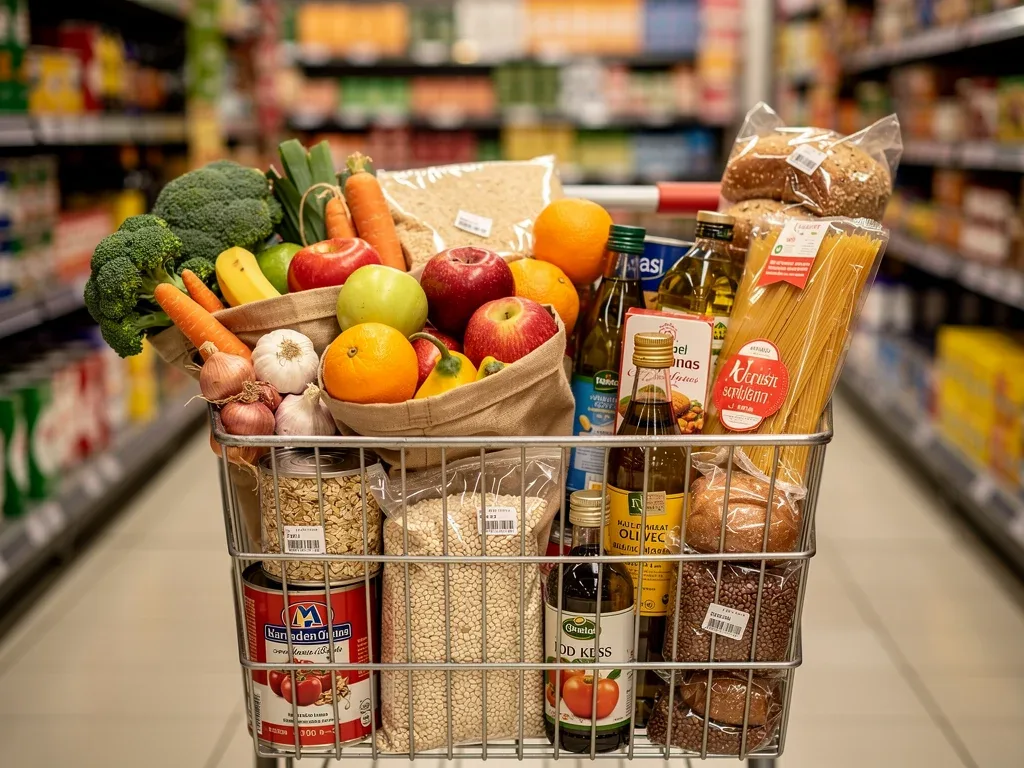
Armed with your smart grocery list, hit the store on day four. Stick strictly to your list and avoid browsing aisles not relevant to your planned purchases. Compare unit prices for staples and consider buying in bulk for non-perishable items if it truly offers a better value. Be mindful of sales and discounts, but only if they align with your meal plan.
One effective strategy is to eat a meal before you shop; a full stomach often reduces the temptation for impulse buys. Pay attention to your total as you shop, ensuring you stay within your allocated budget. This proactive approach to shopping transforms it from a chore into a strategic mission.
day 5: initial meal prep and batch cooking
Day five is dedicated to getting a head start on your cooking. This involves tasks like chopping vegetables, pre-cooking grains, or preparing sauces that can be used in multiple meals. Batch cooking certain components, such as a large pot of rice or a tray of roasted chicken, can save significant time during busy weeknights.
This prep work not only makes weeknight cooking faster but also reduces the likelihood of reaching for unhealthy takeout options due to lack of time. Proper storage of prepped ingredients is vital to maintain freshness and prevent spoilage.
day 6-7: cooking, enjoying, and repurposing leftovers
On days six and seven, you’ll be cooking your planned meals, enjoying the fruits of your labor. Focus on preparing only what you need to avoid excess. If you do have leftovers, plan to repurpose them into new dishes. For example, leftover roasted chicken can become chicken salad sandwiches or a component in a quesadilla.
This creative approach to leftovers ensures nothing goes to waste and adds variety to your meals. Make notes on what worked well and what didn’t for next week’s planning, continuously refining your process. By following this 7-day framework, you’ll establish a sustainable routine that maximizes savings and minimizes waste.
The step-by-step implementation of this framework empowers you to take control of your food budget and reduce waste significantly. Each day’s activities are designed to streamline the meal preparation process, making healthy and economical eating an achievable reality.
practical solutions for reducing food waste
Beyond the structured framework of meal planning, several practical solutions can further amplify your efforts to reduce food waste. These strategies are often simple to implement but collectively make a profound impact on how much food you discard. They require a shift in mindset, moving towards a more mindful and resourceful approach to food management.
Adopting these solutions means viewing food not just as an expense, but as a valuable resource that deserves careful handling and utilization. From storage techniques to creative cooking, every small change contributes to a larger goal of zero waste.
mastering food storage techniques
Proper food storage is perhaps one of the most underrated aspects of waste reduction. Understanding how to store different types of produce, dairy, and cooked foods can significantly extend their shelf life. For instance, storing herbs like parsley or cilantro in a glass of water on the counter can keep them fresh longer than simply placing them in the fridge.
- Crisper Drawers: Utilize high-humidity drawers for leafy greens and low-humidity for fruits.
- Airtight Containers: Store cooked leftovers and opened packages in airtight containers to prevent spoilage.
- Freezing: Freeze excess produce, bread, or cooked meals to extend their usability for months.
- Ethylene-Producing Fruits: Store these (apples, bananas) separately from other produce to prevent premature ripening.
Investing in good quality storage containers and understanding the specific needs of various foods can drastically reduce spoilage, ensuring that the food you buy actually gets eaten.
creative cooking with leftovers and scraps
Leftovers are not failures; they are opportunities for new meals. Learning to creatively transform leftovers can prevent them from ending up in the trash. A roast chicken can become tacos, soup, or a salad. Similarly, vegetable scraps can be saved to make flavorful broths, rather than being discarded.
Embrace the concept of ‘root-to-stem’ cooking, where edible parts of vegetables often thrown away, like broccoli stems or carrot tops, are incorporated into dishes. This not only reduces waste but also introduces new flavors and nutrients into your diet. Think of it as a culinary challenge that benefits your wallet and the planet.
understanding ‘best by’ and ‘use by’ dates
There’s a common misconception about food labeling that leads to unnecessary waste. ‘Best by’ dates indicate peak quality, not safety. Many foods are perfectly safe to consume past this date. ‘Use by’ dates, however, are more critical for perishable items and relate to food safety.
Educate yourself on the distinctions and use your senses – sight, smell, and touch – to determine if food is still good. A slightly soft vegetable might still be perfect for a soup or stir-fry, even if it’s past its aesthetic prime. This understanding empowers you to make informed decisions and avoid premature disposal of edible food.
By implementing these practical solutions, you create a comprehensive strategy for waste reduction that complements your meal planning efforts. Each method, from smart storage to creative cooking, reinforces the goal of maximizing the value of your food and minimizing your environmental footprint.
budget-friendly meal ideas for your 7-day plan
Crafting a 7-day meal plan that is both delicious and budget-friendly requires a strategic approach to ingredient selection and recipe planning. The goal is to maximize flavor and nutrition while minimizing cost per serving. This section offers practical ideas and considerations to help you fill your meal plan with economical and satisfying dishes.
Remember, eating on a budget doesn’t mean sacrificing taste or variety. It’s about smart choices, leveraging affordable ingredients, and making the most of every purchase. These ideas are designed to inspire and provide a solid starting point for your cost-saving culinary journey.
leveraging affordable protein sources
Protein is often the most expensive component of a meal. To keep costs down, focus on economical protein sources that are versatile and nutritious. Legumes, such as beans and lentils, are incredibly cheap, packed with protein and fiber, and can be used in a multitude of dishes from soups to tacos.
- Eggs: A versatile and inexpensive source of protein, perfect for breakfast, lunch, or even dinner.
- Chicken Thighs/Drumsticks: Often cheaper than breasts, these cuts are flavorful and excellent for roasting or stewing.
- Canned Tuna/Salmon: Great for quick salads, sandwiches, or pasta dishes, offering healthy fats and protein.
- Tofu/Tempeh: Plant-based options that absorb flavors well and are very budget-friendly.
Incorporating a mix of these proteins throughout your week can significantly reduce your grocery bill without compromising on nutritional value.
maximizing seasonal produce and bulk buying
Buying produce in season is one of the easiest ways to save money. Seasonal fruits and vegetables are typically more abundant, fresher, and therefore cheaper. They also taste better! Plan your meals around what’s currently in season to get the best value and flavor.
Additionally, consider buying non-perishable staples like rice, pasta, oats, and dried beans in bulk. The upfront cost might be higher, but the unit price is often substantially lower, leading to long-term savings. Just ensure you have adequate storage space to keep these items fresh.
transforming simple ingredients into gourmet meals
You don’t need exotic ingredients to create delicious meals. Simple, humble ingredients can be transformed into culinary delights with a bit of creativity and the right techniques. Think about how spices, herbs, and different cooking methods can elevate basic ingredients.
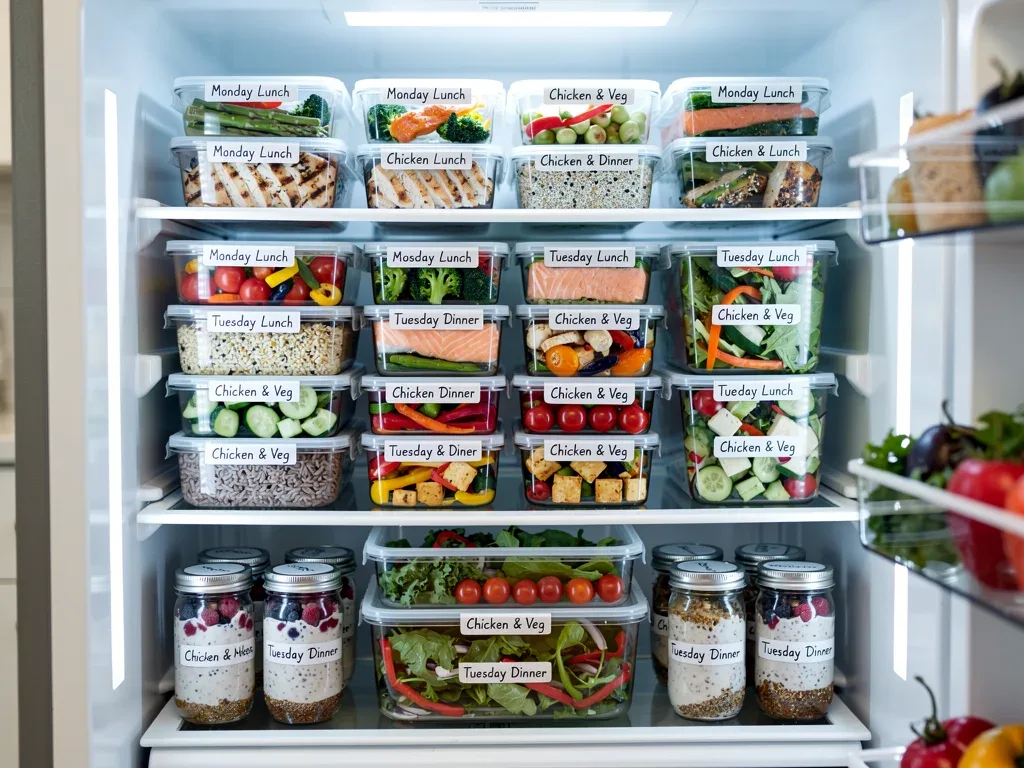
For example, a simple potato can become roasted wedges, a creamy mash, or a hearty soup. Cabbage, often overlooked, can be stir-fried, braised, or turned into coleslaw. By focusing on fundamental cooking skills and a well-stocked spice rack, you can create varied and exciting meals without breaking the bank.
By integrating affordable protein sources, prioritizing seasonal and bulk purchases, and getting creative with simple ingredients, your 7-day meal plan can be both economical and incredibly satisfying. These strategies prove that budget-friendly eating doesn’t mean sacrificing quality or enjoyment.
tracking progress and adjusting your strategy
Implementing a meal planning strategy is a dynamic process, not a static one. To truly maximize your savings and reduce food waste, it’s essential to track your progress and be willing to adjust your approach based on what you learn. This continuous feedback loop ensures your meal plan remains effective and tailored to your evolving needs and preferences.
Without regular evaluation, even the best initial plan can lose its effectiveness over time. Think of it as fine-tuning an instrument; small adjustments can lead to significant improvements in performance.
monitoring your spending and waste
The most direct way to assess the impact of your meal planning is to monitor your grocery spending and the amount of food you discard. Keep a simple log or use a budgeting app to track your weekly or monthly grocery expenditures. Compare these figures to your pre-meal planning costs to see the tangible savings.
- Receipt Tracking: Save all grocery receipts and categorize purchases to identify spending patterns.
- Waste Journal: Briefly note down any food that goes bad or is thrown away, identifying common culprits.
- Budget Adherence: Regularly compare actual spending against your set grocery budget.
- Food Waste Audit: Periodically assess the contents of your trash to pinpoint areas for improvement.
This data provides concrete evidence of your progress and highlights areas where further adjustments are needed. It’s a powerful motivator to see your efforts translate into real financial benefits.
soliciting feedback and adapting recipes
If you’re cooking for a household, gather feedback from family members on the meals you’re preparing. What did they enjoy? What didn’t work as well? Meal planning should be a collaborative effort, especially when it comes to taste preferences. Adjusting recipes to better suit everyone’s palate increases the likelihood that meals will be eaten and enjoyed, further reducing waste.
Don’t be afraid to modify recipes, substitute ingredients, or even scrap a meal idea if it consistently doesn’t resonate. The goal is to find a sustainable rhythm that everyone can appreciate. This flexibility ensures your meal plan remains a source of joy, not a rigid imposition.
refining your planning process over time
As you gain experience, your meal planning process will naturally become more efficient. You’ll learn which days are best for shopping, how much prep work you can realistically do, and which recipes are reliable go-tos. Continuously look for ways to streamline your routine, whether it’s by creating a master list of favorite meals or finding new, quicker cooking methods.
Perhaps you discover that theme nights work perfectly, or maybe you prefer to cook larger batches on weekends. The beauty of meal planning is its adaptability. By tracking, adapting, and refining, you transform it from a temporary strategy into a permanent, money-saving, waste-reducing lifestyle.
Ultimately, tracking your progress and making informed adjustments are critical for the long-term success of your meal planning strategy. This iterative process ensures that your efforts continue to yield maximum savings and minimize food waste, adapting to your life as it changes.
overcoming common meal planning challenges
Even with the best intentions, meal planning can present certain challenges that might deter individuals from sticking to their strategy. Recognizing these common hurdles and having proactive solutions in place is key to maintaining consistency and achieving your savings goals. It’s about anticipating obstacles and developing effective ways to navigate them.
No meal planning journey is entirely smooth, but with the right tools and mindset, these challenges can be overcome, reinforcing your commitment to a more economical and sustainable way of eating.
dealing with unexpected schedule changes
Life happens, and schedules can change without warning, throwing a carefully planned week into disarray. A sudden late meeting, an impromptu social event, or a child’s activity can make cooking a planned meal impossible. The solution lies in building flexibility into your plan.
- Freezer Meals: Keep a few ready-to-heat freezer meals on hand for emergency situations.
- Quick-Cook Options: Designate one or two meals per week that require minimal prep and cooking time.
- Ingredient Swaps: Be prepared to swap ingredients or entire meals if an item becomes unavailable or expires.
- Leftover Night: Plan for a ‘leftover night’ to utilize any excess food from previous meals, reducing pressure to cook.
Having a backup plan prevents these unexpected changes from derailing your entire week’s efforts and leading to expensive takeout.
combating meal fatigue and boredom
Eating the same meals repeatedly can quickly lead to ‘meal fatigue,’ making the meal planning process feel monotonous. Variety is crucial for long-term adherence. This doesn’t mean cooking entirely new dishes every day, but rather introducing subtle changes and rotations.
Experiment with different cuisines, cooking methods, or even simple ingredient swaps to keep things interesting. Revisit old favorite recipes and try new ones regularly. Consider dedicating one meal slot each week to trying something entirely new, or a ‘flex meal’ where you use up odds and ends from the fridge. Spices and herbs are your best friends here, as they can dramatically alter the flavor profile of a dish.
managing picky eaters in the household
Cooking for a household with diverse tastes, especially picky eaters, can be a significant challenge for meal planners. The key is compromise and involvement. Involve family members in the meal planning process, allowing them to choose one or two meals for the week. This gives them ownership and increases their willingness to eat what’s prepared.
Consider ‘deconstructed meals’ where components are served separately, allowing individuals to assemble their plates according to preference. For example, taco night can have separate bowls of meat, cheese, lettuce, and salsa. Focus on introducing new foods gradually and pairing them with familiar favorites. Patience and persistence are vital when dealing with varying palates.
By proactively addressing these common challenges, you can build a more resilient and sustainable meal planning system. Flexibility, creativity, and a willingness to adapt are your strongest allies in overcoming obstacles and maintaining your commitment to savings and waste reduction.
| Key Principle | Brief Description |
|---|---|
| Inventory & Plan | Assess existing ingredients and plan meals around them to reduce new purchases. |
| Smart Shopping | Create a precise, section-grouped grocery list and stick to it, avoiding impulse buys. |
| Prep & Repurpose | Batch cook and creatively reuse leftovers to minimize waste and save time. |
| Track & Adjust | Monitor spending and waste, then refine your plan based on feedback and results. |
frequently asked questions about meal planning for savings
How much money can I realistically save with meal planning?▼Many households report saving between 20% to 30% on their weekly or monthly grocery bills. This figure can vary based on your current spending habits and how diligently you stick to your plan, but significant savings are consistently achievable through strategic planning and waste reduction.
What is the best way to start meal planning if I’m a beginner?▼Begin by planning just 3-4 meals for the week, focusing on dinners. Use recipes with versatile ingredients you already have. As you get comfortable, gradually increase the number of planned meals. Don’t aim for perfection immediately; consistency is more important than an elaborate plan.
How can I prevent meal planning from becoming boring or repetitive?▼Introduce variety by rotating meals, trying new recipes from different cuisines, and experimenting with seasonal ingredients. Utilize a ‘flex meal’ night to use up leftovers creatively. Don’t be afraid to tweak recipes or find new cooking methods for familiar ingredients to keep things exciting.
Is meal prepping the same as meal planning?▼Meal planning is the strategic decision-making process of deciding what to eat and when. Meal prepping, on the other hand, involves the actual preparation of food in advance, such as chopping vegetables or cooking entire meals. They are complementary, with meal planning typically preceding meal prepping.
What are the best tools or apps for meal planning?▼Simple tools like a pen and paper or a spreadsheet work effectively. Many apps like Mealime, Paprika, or Plan to Eat offer features for recipe management, grocery list creation, and schedule integration, which can streamline the process for tech-savvy users.
conclusion
Embracing a comprehensive 7-day meal planning strategy is a powerful step towards achieving significant financial savings and dramatically reducing food waste in your household. It’s more than just a weekly chore; it’s a mindful approach to consumption that fosters healthier eating habits, minimizes stress, and contributes positively to your budget and the environment. By consistently applying the principles of inventory management, smart shopping, creative cooking, and continuous adjustment, you can realistically cut your food expenses and waste by 30% or more. Start small, stay flexible, and watch as your kitchen transforms into a hub of efficiency and delicious, economical meals.