Smart Home Tech: Save 15% on Energy Bills in 2026 with These 5 Devices
Advertisements
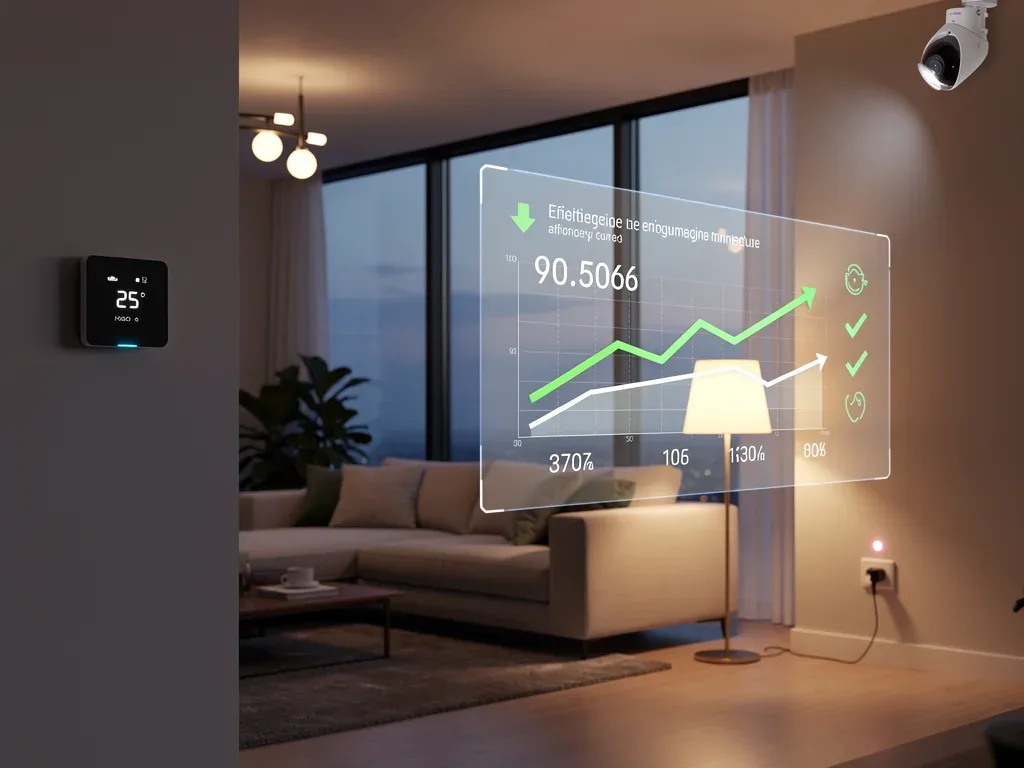
Smart home technology is poised to deliver significant energy savings, with five key devices enabling homeowners to reduce utility bills by 15% by 2026 through enhanced efficiency and intelligent automation.
Are you looking for tangible ways to cut down on household expenses without sacrificing comfort? By 2026, integrating advanced smart home energy savings technology into your residence could realistically reduce your energy bills by a significant 15%. This isn’t just about convenience; it’s about making a measurable financial impact and contributing to a more sustainable future.
The Dawn of Energy-Efficient Smart Homes
The concept of a smart home has evolved far beyond simple voice commands and automated routines. Today, it represents a sophisticated ecosystem designed to optimize every aspect of your living space, with a particular emphasis on energy efficiency. As technology advances, these systems become more intuitive, more integrated, and significantly more effective at reducing consumption, leading directly to lower utility costs.
Understanding the potential savings is crucial for homeowners considering this upgrade. The projection of a 15% reduction in energy bills by 2026 isn’t an arbitrary figure; it’s based on the cumulative impact of several interconnected smart devices working in harmony. These devices don’t just automate tasks; they learn your habits, respond to environmental changes, and provide granular control over energy usage, turning your home into an active participant in its own energy management.
This section will explore the broader landscape of smart home technology’s impact on energy consumption, setting the stage for a deeper dive into the specific devices that drive these savings. We’ll look at how these innovations are transforming the way we interact with our homes and, more importantly, how they are empowering us to take control of our energy footprint and financial outflow.
Smart Thermostats: The Brains Behind Climate Control Savings
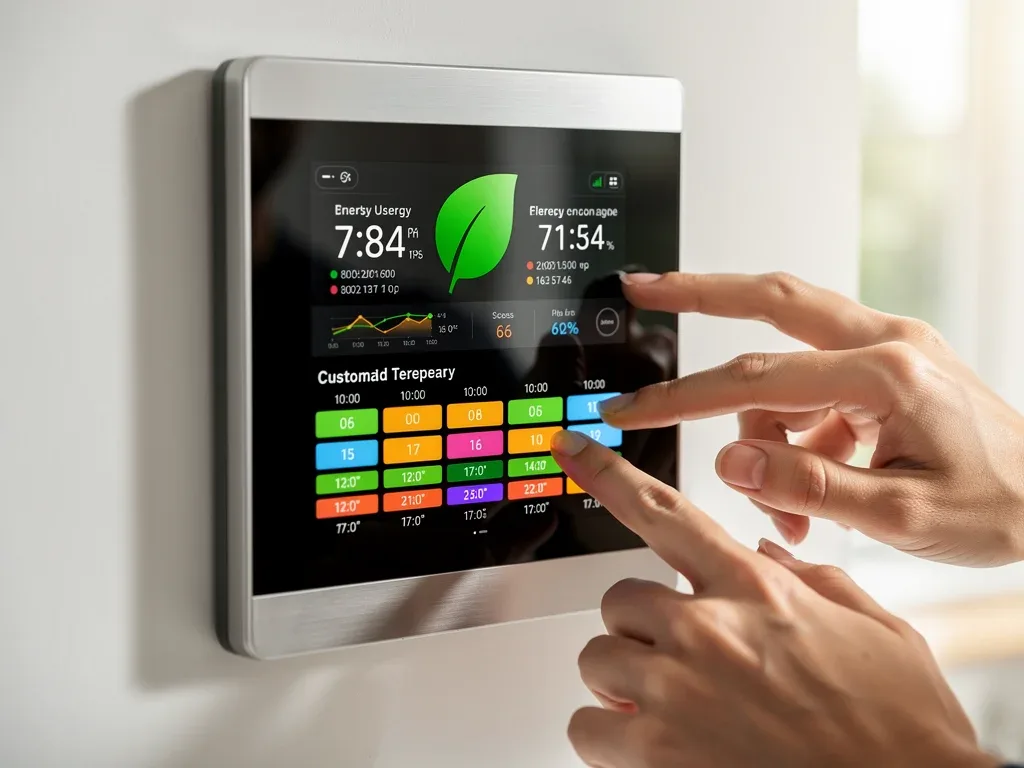
At the forefront of any energy-saving smart home strategy is the smart thermostat. Far more advanced than their programmable predecessors, these devices learn your daily routines, sense when you’re home or away, and even adapt to local weather patterns to maintain optimal comfort with minimal energy expenditure. Their ability to intelligently manage your heating and cooling systems is a cornerstone of significant bill reductions.
Modern smart thermostats offer a suite of features designed to fine-tune your home’s climate control. They can be controlled remotely via smartphone, allowing you to adjust temperatures before you arrive home or when you’ve forgotten to do so before leaving. This level of control prevents unnecessary energy waste, a common pitfall with traditional thermostats.
Adaptive Learning and Geofencing
One of the most powerful features of smart thermostats is their adaptive learning capability. They observe your temperature preferences over time and create an optimized schedule without constant manual input. Geofencing further enhances this by using your smartphone’s location to automatically adjust the temperature when you leave or approach your home.
- Personalized Schedules: Learns your habits to create energy-efficient heating and cooling plans.
- Remote Access: Adjust settings from anywhere using your smartphone.
- Geofencing Integration: Automatically adjusts temperature based on your proximity to home.
- Energy Reports: Provides insights into your energy consumption, helping you identify areas for further savings.
The financial impact of a smart thermostat can be substantial. Studies have shown that they can save homeowners anywhere from 10% to 15% on heating and cooling costs alone, which often constitute the largest portion of a household’s energy bill. By preventing energy waste and optimizing climate control, these devices quickly pay for themselves, making them an indispensable component for achieving smart home energy savings by 2026.
Smart Lighting Systems: Illuminating Savings
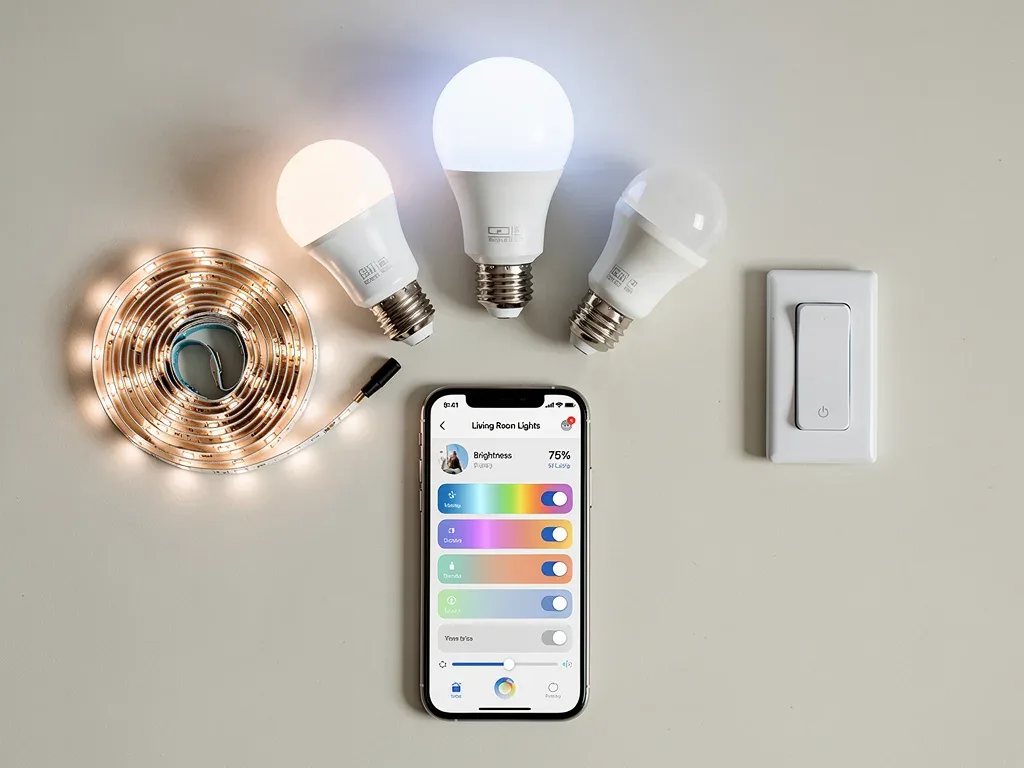
Beyond thermostats, smart lighting systems offer another significant avenue for energy conservation. Traditional lighting, especially incandescent bulbs, can be a major energy drain. Smart lighting, primarily utilizing LED technology, not only consumes less energy but also provides intelligent control that further maximizes efficiency and reduces costs.
These systems allow for precise control over your home’s illumination. You can dim lights, change colors, and set schedules, all from a smartphone app or voice command. This granular control means you only use the light you need, when you need it, avoiding the waste associated with leaving lights on unnecessarily.
Motion Sensors and Occupancy Detection
Many smart lighting setups integrate with motion sensors and occupancy detectors. This functionality ensures that lights only turn on when a room is occupied and automatically switch off when it’s empty. This simple automation can lead to considerable savings, particularly in areas like hallways, bathrooms, or utility rooms where lights might otherwise be left on for extended periods.
The move to LED smart bulbs itself is a huge leap in energy efficiency. LEDs consume significantly less power and have a much longer lifespan than traditional bulbs, reducing both energy consumption and replacement costs. When coupled with smart control features, the savings multiply, making smart lighting a compelling investment for any homeowner aiming for a greener and more economical home.
By implementing smart lighting strategies, homeowners can expect to see a noticeable reduction in their electricity bills. The ability to customize brightness, set schedules, and use occupancy sensors ensures that no energy is wasted on unnecessary illumination, contributing strongly to the overall goal of achieving substantial smart home energy savings.
Smart Plugs and Power Strips: Eliminating Phantom Load
The concept of “phantom load” or “vampire power” refers to the electricity consumed by electronics even when they are turned off but still plugged in. This often-overlooked energy drain can account for a surprising percentage of a household’s total electricity bill. Smart plugs and power strips are simple yet highly effective devices designed to combat this insidious waste.
These devices essentially turn any ordinary appliance into a smart device. By plugging an appliance into a smart plug, you gain the ability to remotely turn it on or off, schedule its operation, and even monitor its energy consumption. This control is invaluable for eliminating phantom load, as you can completely cut power to devices when they’re not in use.
Scheduling and Energy Monitoring
Smart plugs excel at scheduling. You can set them to turn off devices like TVs, gaming consoles, or computer monitors overnight or during work hours, ensuring they don’t draw standby power. Some advanced smart plugs also come with energy monitoring capabilities, providing real-time data on how much electricity each connected device is consuming. This information empowers you to make informed decisions about your energy usage.
- Remote Control: Turn devices on or off from anywhere.
- Customizable Schedules: Automate power to reduce standby consumption.
- Energy Usage Tracking: Monitor electricity consumption of individual appliances.
- Phantom Load Elimination: Completely cut power to devices when not in use.
The cumulative effect of eliminating phantom load across numerous devices in your home can lead to tangible savings. While individual devices may only draw a small amount of power in standby, collectively, they can add up to a significant portion of your energy bill. Smart plugs and power strips offer an easy and affordable solution to this pervasive problem, proving their worth in the quest for greater smart home energy savings by 2026.
Smart Blinds and Shades: Harnessing Natural Elements
While often overlooked in discussions about smart home energy savings, smart blinds and shades play a crucial role in regulating indoor temperatures by intelligently managing natural light and insulation. Their ability to dynamically adjust to environmental conditions can significantly reduce the workload on your HVAC system, leading to notable energy reductions.
These automated window coverings can be programmed to open and close based on the time of day, sunlight intensity, or even the indoor temperature. In warmer months, they can block direct sunlight to prevent heat gain, keeping your home cooler and reducing the need for air conditioning. During colder periods, they can open to allow natural light and warmth in, then close at night to provide an extra layer of insulation against heat loss.
Integration with Smart Thermostats and Sensors
The true power of smart blinds and shades emerges when they are integrated with other smart home devices, particularly smart thermostats and environmental sensors. For instance, if a smart thermostat detects the indoor temperature rising above a set point due to direct sunlight, it can signal the smart blinds to close, proactively preventing overheating. This synergistic operation optimizes energy use across multiple systems.
Beyond energy savings, smart blinds also offer enhanced privacy and convenience. They can be controlled remotely, scheduled to operate automatically, or even respond to voice commands. Their contribution to thermal regulation is often underestimated, yet it is a powerful factor in maintaining a comfortable indoor climate while simultaneously reducing your reliance on energy-intensive heating and cooling systems. Investing in smart blinds is a strategic move towards comprehensive smart home energy savings, impacting your bills and enhancing your home’s overall efficiency.
Smart Water Heaters and Leak Detectors: Conserving H2O and Energy
Energy consumption isn’t solely about electricity for climate control and lighting; water heating can also be a major energy hog. Smart water heaters and, indirectly, smart leak detectors, contribute significantly to overall smart home energy savings by optimizing hot water usage and preventing wasteful leaks. These devices address areas often overlooked in conventional energy-saving efforts.
Smart water heaters allow you to control and monitor your hot water usage, much like a smart thermostat controls your home’s temperature. You can schedule heating times to align with your family’s peak usage, ensuring hot water is available when needed without continuously heating a full tank. Some models even learn your habits, preheating water only when necessary, drastically reducing standby energy losses.
Preventing Water Waste and Damage
While not directly consuming energy, smart leak detectors play a vital role in preventing water waste and potential property damage, which can lead to expensive repairs and secondary energy consumption (e.g., for drying out flooded areas). These small devices can be placed near water sources like sinks, toilets, and water heaters, alerting you instantly via your smartphone if a leak is detected. Early detection can prevent thousands of gallons of water from being wasted and avoid costly repairs that might involve energy-intensive restoration processes.
- Optimized Heating Schedules: Heat water only when it’s needed, reducing standby energy.
- Remote Monitoring: Control and adjust water heater settings from anywhere.
- Leak Detection Alerts: Instant notifications to prevent water waste and damage.
- Energy Consumption Insights: Understand your hot water usage patterns to make informed adjustments.
By intelligently managing hot water and proactively preventing leaks, these smart devices offer a dual benefit: direct energy savings from reduced water heating and indirect savings from avoiding costly repairs and water waste. This holistic approach ensures that your pursuit of smart home energy savings is comprehensive, covering all major utility consumption areas and securing your financial well-being by 2026.
Integrating for Maximum Impact: The Smart Home Ecosystem
The true power of smart home technology for energy savings isn’t just in individual devices but in their ability to integrate and work together as a cohesive ecosystem. When smart thermostats communicate with smart blinds, and smart lighting responds to occupancy sensors, the cumulative effect on energy efficiency is far greater than the sum of its parts. This synergy is what will drive the projected 15% reduction in energy bills by 2026.
Central to this integration are smart home hubs or platforms that act as the command center for all your connected devices. These hubs allow different brands and types of devices to communicate using common protocols, enabling complex automation routines. For example, a single command or schedule can adjust your thermostat, close your blinds, and dim your lights simultaneously, optimizing for both comfort and energy conservation.
The Role of Artificial Intelligence and Machine Learning
As smart home technology evolves, artificial intelligence (AI) and machine learning (ML) are playing an increasingly significant role. These advanced capabilities allow systems to learn even more nuanced patterns of behavior and environmental conditions, making predictions and adjustments that are even more precise. For instance, an AI-powered system could learn to pre-cool your home on exceptionally hot days based on weather forecasts, or optimize hot water heating based on atypical usage patterns.
The seamless integration of these devices creates a living environment that actively participates in managing its own energy consumption. This means less manual intervention from homeowners, more consistent energy savings, and a higher level of comfort. By investing in a well-integrated smart home ecosystem, you’re not just buying gadgets; you’re investing in a smarter, more efficient, and financially beneficial way of living. This holistic approach is key to unlocking the full potential of smart home energy savings and achieving substantial reductions in your utility expenses by 2026.
| Key Device | Primary Energy Saving Function |
|---|---|
| Smart Thermostats | Optimizes HVAC based on learning, presence, and weather. |
| Smart Lighting | Reduces consumption with LEDs, motion sensors, and scheduling. |
| Smart Plugs | Eliminates phantom load by remotely cutting power to devices. |
| Smart Blinds | Regulates indoor temperature by managing natural light and insulation. |
Frequently Asked Questions About Smart Home Energy Savings
How much can smart home tech realistically save on energy bills?▼By 2026, homeowners can realistically expect to save up to 15% on their total energy bills by strategically implementing a suite of smart home devices. These savings stem from optimized heating/cooling, reduced phantom load, efficient lighting, and better thermal regulation.
What are the essential smart devices for maximizing energy efficiency?▼The five essential devices include smart thermostats, smart lighting systems (LEDs with smart controls), smart plugs/power strips, smart blinds/shades, and smart water heaters/leak detectors. Each targets specific areas of energy consumption for maximum impact.
Is the initial investment in smart home technology worth it for energy savings?▼Yes, the initial investment is generally worthwhile. Many smart devices pay for themselves within a few years through reduced energy bills. The long-term savings, combined with enhanced convenience and environmental benefits, make it a sound financial decision for most homeowners.
How do smart plugs help reduce energy consumption?▼Smart plugs combat “phantom load” by allowing you to remotely turn off devices or set schedules to cut power completely when not in use. This eliminates the standby electricity consumption of electronics, which can significantly add up over time.
Can smart home devices integrate with each other for better savings?▼Absolutely. The true power of smart home technology lies in its ecosystem. Devices like smart thermostats, blinds, and lights can communicate via a central hub, enabling complex automation routines that maximize energy efficiency and comfort synergistically.
Conclusion
The journey towards a more energy-efficient home is no longer a futuristic dream but a tangible reality, largely thanks to advancements in smart home technology. As we’ve explored, devices ranging from intelligent thermostats to smart plugs and automated blinds are not just conveniences; they are powerful tools for achieving significant financial savings on your energy bills. The projected 15% reduction by 2026 is a testament to the cumulative impact these interconnected systems can have. By embracing these innovations, homeowners can look forward to a future where comfort, cost savings, and environmental responsibility go hand in hand, making a smart home an undeniably wise investment for the years to come.