2026 Impact of Late Payments on Credit Scores: 7-Year Ramifications

Advertisements
Late payments in 2026 will significantly damage credit scores, with their negative effects potentially lingering for up to seven years, impacting access to loans, housing, and financial opportunities.
As we navigate further into the complexities of personal finance, understanding the profound consequences of financial decisions becomes increasingly vital. One area that frequently causes concern is the impact of late payments on credit scores. Specifically, the year 2026 brings renewed focus to how these seemingly minor infractions can cast a long shadow, with The 2026 Impact of Late Payments on Credit Scores: Understanding the 7-Year Ramifications being a critical topic for anyone managing their financial health.
The immediate aftermath: how late payments hit your score
The moment a payment is missed and reported as late, your credit score takes a direct hit. This initial drop can be significant, especially if you have an otherwise pristine credit history. The severity of the impact is often proportional to the lateness and the type of account involved.
Creditors typically wait 30 days past the due date before reporting a late payment to the major credit bureaus. Once reported, this negative mark becomes a part of your credit report, immediately influencing your FICO and VantageScore calculations. The older and more established your credit history, the more severe the immediate drop might be, as it indicates a deviation from a previously reliable payment pattern.
Understanding the reporting threshold and its implications
Most creditors offer a grace period, but once you cross the 30-day mark, the damage begins. It’s not just the initial drop that matters; subsequent late payments (60, 90, 120 days late, or even charge-offs) will inflict further, progressively worse damage. Each late payment reflects poorly on your reliability as a borrower, making future lenders wary.
- 30-day late: The first significant hit, impacting your score by dozens of points.
- 60-day late: Further deterioration, signaling a more serious financial struggle.
- 90+ day late: Severe damage, often leading to account charge-offs and collections.
The immediate impact isn’t just about the numbers; it’s about the message it sends to potential lenders. A single late payment can turn a strong credit profile into a questionable one, potentially hindering your ability to secure favorable interest rates or even obtain credit at all. Understanding this initial shock is the first step in appreciating the long-term consequences.
The 7-year shadow: why late payments linger
One of the most daunting aspects of a late payment is its longevity on your credit report. Negative marks, including late payments, generally remain on your credit report for up to seven years from the date of the delinquency. This means a single missed payment in 2026 could affect your financial opportunities well into 2033.
This seven-year window is not arbitrary; it’s a standard established by the Fair Credit Reporting Act (FCRA) in the United States. While the impact of a late payment lessens over time, its presence is undeniable. Lenders, landlords, and even some employers can see this historical data, influencing their decisions for years to come.
How the impact diminishes over time
While a late payment remains on your report for seven years, its influence on your credit score isn’t constant. The most significant damage occurs in the first two years following the delinquency. As time passes and you demonstrate consistent on-time payments, the negative impact gradually diminishes. Newer, positive payment history begins to outweigh older, negative entries.
- First 2 years: Maximum impact, significant score reduction.
- Years 3-5: Moderate impact, score slowly recovers with positive behavior.
- Years 6-7: Minimal impact, but still visible on the report.
However, it’s crucial to understand that ‘diminishing impact’ does not mean ‘disappearing.’ Even in its later years, a late payment can still be a red flag, especially for highly competitive loan products or those requiring impeccable credit. The seven-year ramification underscores the importance of proactive credit management and avoiding delinquencies whenever possible.
Beyond loans: the broader implications for 2026
The ramifications of late payments extend far beyond just securing a loan or a credit card. In 2026, a strong credit score is increasingly a prerequisite for many aspects of daily life. From housing to employment and even insurance, your credit history plays a pivotal role in how you are perceived and treated by various institutions.
Landlords frequently check credit scores as part of their tenant screening process. A history of late payments can make it difficult to rent an apartment or house, even if you have a stable income. Insurance companies, too, often use credit-based insurance scores to determine premiums, meaning a lower credit score could result in higher rates for auto or home insurance.
The hidden costs of poor credit
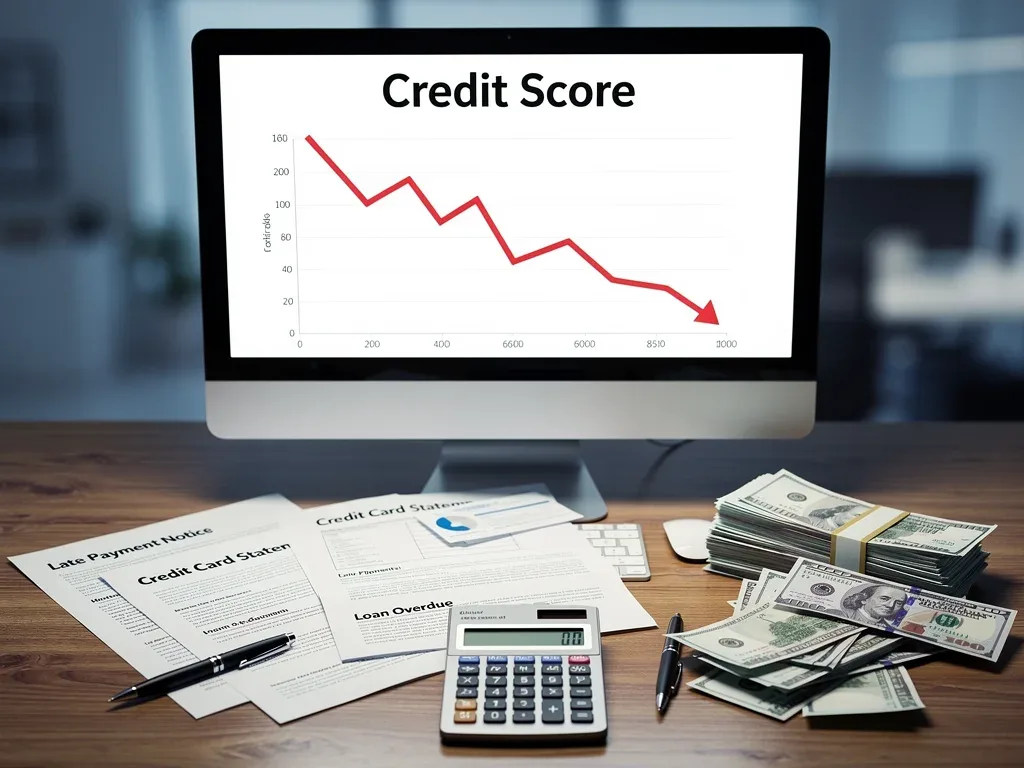
Beyond the obvious, poor credit can lead to a multitude of hidden costs. Utility companies might require larger security deposits, and cell phone providers may deny contract plans or demand upfront payments. Even certain job applications, especially those in financial sectors or positions of trust, may involve credit checks, where late payments could be a disqualifying factor.
Moreover, the psychological toll of poor credit should not be underestimated. The constant struggle to secure basic necessities or the embarrassment of being denied can lead to significant stress and anxiety. In 2026, with an increasingly interconnected financial landscape, the ripple effects of late payments are more pervasive than ever, touching almost every corner of an individual’s financial and personal life.
Strategies for mitigating and repairing the damage
While the prospect of a seven-year impact can be daunting, it’s not a life sentence. There are proactive steps you can take to mitigate the damage of past late payments and work towards repairing your credit score. The key is consistency, patience, and a strategic approach to financial management.
The first step is to get back on track with all your payments. Consistency is paramount. Making all future payments on time demonstrates to creditors that the past delinquency was an anomaly rather than a pattern. This consistent positive behavior is the most powerful tool for credit repair.
Effective credit repair tactics
- Negotiate with creditors: If a late payment was due to an unforeseen circumstance, contact your creditor. They might be willing to remove the late payment from your report, especially if it’s your first offense and you have a good payment history otherwise.
- Dispute inaccuracies: Regularly review your credit report for errors. If a late payment is inaccurately reported, dispute it with the credit bureaus immediately.
- Secured credit cards and credit builder loans: These can be excellent tools for rebuilding credit. They require a deposit or are specifically designed to help individuals establish a positive payment history.
- Debt consolidation: For those with multiple late payments across different accounts, consolidating debt can simplify payments and prevent further delinquencies.
Remember, credit repair is a marathon, not a sprint. It takes time and discipline, but by adopting these strategies, you can significantly improve your credit profile and reduce the lingering effects of late payments long before the seven-year mark.
Preventative measures: avoiding late payments in 2026
The best way to deal with the impact of late payments is to prevent them from happening in the first place. In 2026, with advanced financial tools and a deeper understanding of credit, there are numerous preventative measures individuals can implement to safeguard their credit scores.
Automation is your best friend when it comes to preventing late payments. Setting up automatic payments for all your bills ensures that you never miss a due date. This removes the human error element and provides peace of mind that your payments are always made on time, every time.
Tools and habits for financial discipline
- Budgeting: Create and stick to a realistic budget. Knowing exactly where your money goes helps ensure you have sufficient funds to cover all your obligations.
- Payment reminders: Utilize calendar alerts, banking app notifications, or third-party budgeting apps to receive reminders a few days before your bills are due.
- Emergency fund: Build an emergency fund to cover unexpected expenses. This prevents you from having to choose between paying a bill and covering an emergency, which can lead to late payments.
- Regular credit report review: Regularly checking your credit report allows you to spot potential issues early, including impending delinquencies or errors that could lead to late payments.
By integrating these preventative measures into your financial routine, you can significantly reduce the risk of late payments and maintain a healthy credit score, protecting your financial future in 2026 and beyond.
The role of credit monitoring and financial literacy
In an increasingly complex financial world, credit monitoring and robust financial literacy are indispensable tools for managing the 7-year ramifications of late payments. Understanding your credit report and actively tracking your financial health can empower you to make informed decisions and respond quickly to potential issues.
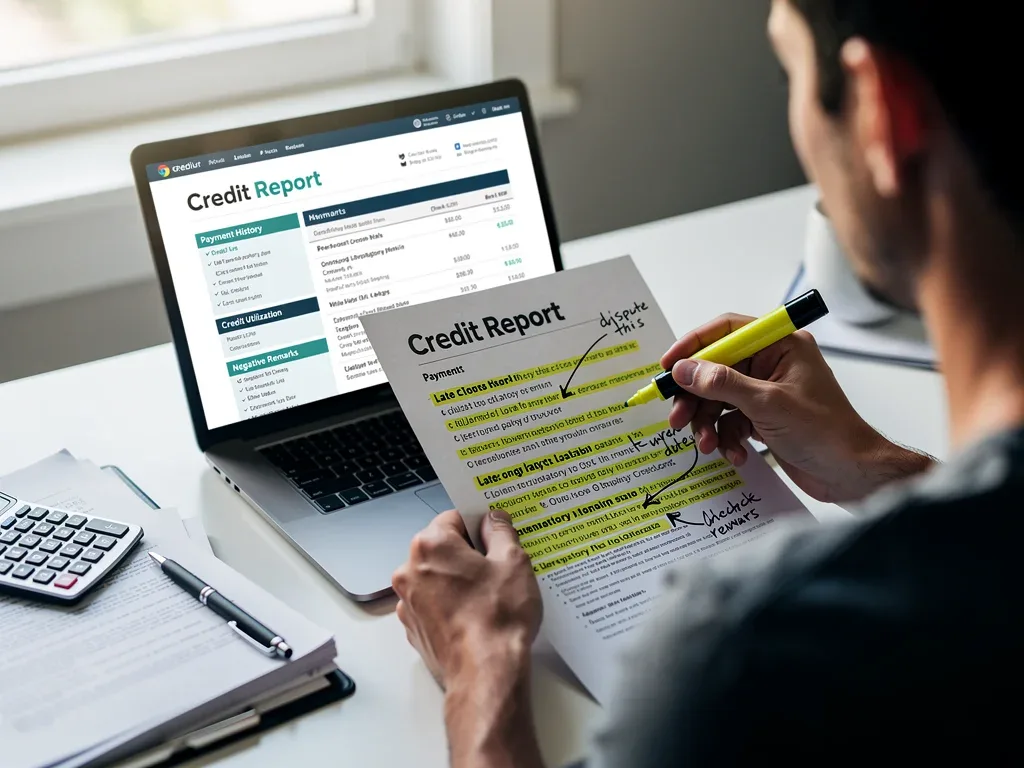
Credit monitoring services can alert you to significant changes on your credit report, including new late payments, inquiries, or fraudulent activity. These real-time alerts allow you to address problems promptly, potentially before they inflict severe damage on your score.
Empowering yourself through knowledge
Financial literacy goes hand-in-hand with credit monitoring. Understanding how credit scores are calculated, the weight of different factors, and the long-term implications of financial choices empowers you to navigate the credit landscape effectively. It’s about more than just avoiding late payments; it’s about building a sustainable financial future.
- Know your rights: Familiarize yourself with the Fair Credit Reporting Act (FCRA) and other consumer protection laws.
- Understand credit utilization: Keep your credit utilization low to positively impact your score.
- Diversify credit responsibly: A mix of credit types (installment loans, revolving credit) can be beneficial, but only if managed responsibly.
By investing time in financial education and utilizing available credit monitoring tools, you transform from a passive observer to an active manager of your financial destiny. This proactive approach is crucial for minimizing the negative impact of any past financial missteps and building a resilient credit profile in 2026 and for the years to come.
The future of credit reporting and late payments in 2026
As we look towards 2026 and beyond, the landscape of credit reporting continues to evolve. While the fundamental principles of how late payments impact credit scores are likely to remain, there are ongoing discussions and potential changes that could influence the severity and duration of these ramifications. Technological advancements and shifts in consumer behavior are driving these potential evolutions.
One area of focus is the increasing use of alternative data in credit scoring. While traditional late payments on loans and credit cards will always be critical, some scoring models are beginning to incorporate data like rent payments, utility bills, and even subscription services. This could potentially offer a more holistic view of a consumer’s financial responsibility, but it also means more types of late payments could affect your score.
Potential changes and considerations
The industry is also exploring ways to make credit reporting more transparent and accessible to consumers. Initiatives aimed at providing clearer explanations for score changes and easier dispute resolution processes could empower individuals to manage their credit more effectively. However, the core principle of late payments as a significant negative factor is unlikely to change.
- Increased data points: More types of payments might be included in credit assessments.
- Enhanced dispute processes: Streamlined methods for correcting errors on credit reports.
- Financial wellness programs: Greater emphasis on education and preventative tools.
Regardless of future changes, the fundamental truth remains: timely payments are the cornerstone of a healthy credit score. The 7-year ramification of late payments in 2026 serves as a powerful reminder of the enduring importance of financial diligence. Staying informed about evolving credit practices and maintaining sound financial habits will be key to navigating the future credit landscape successfully.
| Key Aspect | Brief Description |
|---|---|
| Initial Impact | A single late payment, reported after 30 days, causes an immediate and significant drop in your credit score. |
| 7-Year Ramification | Negative marks from late payments remain on your credit report for up to seven years, influencing financial decisions. |
| Broader Consequences | Beyond loans, late payments affect housing applications, insurance premiums, utility deposits, and even employment opportunities. |
| Credit Repair | Strategies like consistent on-time payments, disputing errors, and using credit-builder tools can help mitigate damage. |
Frequently Asked Questions About Late Payments and Credit Scores
How long do late payments stay on my credit report in 2026?▼Late payments typically remain on your credit report for up to seven years from the date of the delinquency. While their impact lessens over time, they are visible to lenders throughout this period, affecting various financial opportunities.
How much does a single late payment affect my credit score?▼The impact varies, but a single 30-day late payment can cause a significant drop, often dozens of points, especially if you have a high credit score and a previously clean payment history. Subsequent late payments cause further damage.
Can I remove a late payment from my credit report?▼It’s challenging but possible. You can dispute inaccurate entries. For accurate ones, you might negotiate with the creditor for a ‘goodwill’ deletion, especially if it’s an isolated incident and you have a strong payment history otherwise.
Do late payments affect more than just loan approvals?▼Absolutely. Late payments can impact your ability to rent housing, secure favorable insurance rates, get utility services without large deposits, and even affect employment opportunities in certain fields, extending beyond traditional lending.
What is the best way to prevent late payments?▼Automating bill payments is highly effective. Additionally, maintaining a detailed budget, setting up payment reminders, and building an emergency fund can significantly reduce the risk of missing due dates and incurring late payment penalties.
Conclusion
The 2026 impact of late payments on credit scores, and their enduring 7-year ramifications, serve as a stark reminder of the critical importance of diligent financial management. From immediate score drops to long-term limitations on housing, insurance, and even employment, the consequences are far-reaching. However, by understanding these impacts, implementing proactive preventative measures, and engaging in strategic credit repair, individuals can mitigate past damage and build a resilient financial future. Maintaining excellent payment habits and staying financially literate are not just recommendations but essential practices for navigating the evolving credit landscape successfully.