2026 Student Loan Payments: Credit Score Impact & Forgiveness

Advertisements
The 2026 landscape for student loan payments introduces significant changes, including new forgiveness programs, directly influencing borrowers’ credit scores; understanding these shifts is crucial for financial stability.
The year 2026 is poised to bring significant shifts in the realm of student loan repayments, with direct implications for millions of Americans. Understanding student loan credit score impact, alongside new forgiveness programs, is essential for maintaining financial health in this evolving environment. This article will guide you through the critical changes and provide actionable insights to navigate them effectively.
Understanding the 2026 Student Loan Landscape
As we approach 2026, the student loan ecosystem is undergoing substantial transformations, driven by policy shifts and economic factors. These changes are not merely administrative; they carry profound implications for borrowers’ financial futures, particularly concerning their credit scores. The resumption of payments, coupled with the introduction of new programs, creates a complex environment that demands careful attention.
The federal government and private lenders are adapting to new regulations, which in turn affects repayment schedules, interest rates, and eligibility for relief programs. Borrowers need to be proactive in understanding how these changes will manifest in their individual situations, as inaction could lead to unforeseen negative consequences on their credit profiles.
Key Policy Changes Affecting Borrowers
Several legislative and administrative actions are shaping the 2026 student loan landscape. These include updates to existing income-driven repayment (IDR) plans and the rollout of new, more expansive forgiveness initiatives. These policies aim to provide relief but also introduce new complexities.
- Revised IDR Plans: Many IDR plans are being refined to offer lower monthly payments and shorter paths to forgiveness, potentially reducing the burden on borrowers.
- Expanded Forgiveness Eligibility: New criteria and broader definitions for public service loan forgiveness (PSLF) and other targeted programs are opening doors for more individuals.
- Interest Accrual Adjustments: Some proposals aim to modify how interest accrues, potentially preventing loan balances from spiraling out of control even with low or $0 payments.
- Reporting Standards: Credit reporting agencies are also adapting to new guidelines on how student loan statuses are reported, which can influence credit scores.
These policy shifts represent a significant effort to address the student loan crisis, but their effectiveness depends heavily on borrower awareness and engagement. Staying informed about these changes is the first step towards leveraging them to your advantage and protecting your credit.
The Direct Impact of Student Loan Payments on Your Credit Score
Your credit score is a numerical representation of your creditworthiness, and student loan payments play a crucial role in its calculation. In 2026, as payment structures evolve and new programs emerge, understanding this relationship becomes even more vital. A positive payment history can significantly boost your score, while missed or late payments can cause substantial damage.
Credit scoring models, such as FICO and VantageScore, consider several factors, with payment history being the most influential. Student loans, like other forms of debt, contribute to your credit mix, length of credit history, and amounts owed. Therefore, managing them responsibly is paramount for maintaining a healthy credit profile.
How Payment History Shapes Your Credit
Payment history accounts for approximately 35% of your FICO score. Consistent, on-time payments demonstrate reliability to lenders and can steadily improve your credit standing. Conversely, even a single late payment can have a ripple effect, potentially lowering your score by several points and remaining on your credit report for up to seven years.
The transition period, especially with payments resuming or new plans taking effect, is particularly sensitive. Any confusion or miscommunication regarding due dates or payment amounts could inadvertently lead to reporting errors. It’s crucial to verify that your payments are being processed correctly and reported accurately to all three major credit bureaus: Equifax, Experian, and TransUnion.
Navigating New Student Loan Forgiveness Programs in 2026
The year 2026 is expected to solidify the implementation of several new and enhanced student loan forgiveness programs, offering a lifeline to many struggling borrowers. These programs are designed to alleviate debt burdens, but their specific criteria and application processes can be intricate. Understanding these nuances is key to determining your eligibility and successfully applying.
These initiatives are not a one-size-fits-all solution; they cater to different borrower profiles and employment sectors. From public service workers to those with long-standing debt under income-driven plans, the expanded options aim to provide a clearer path to debt relief. However, misinformation or missed deadlines can jeopardize your chances.
Key Forgiveness Programs and Eligibility
Several programs stand out as primary avenues for forgiveness in 2026. Each has distinct requirements that borrowers must meet. It is advisable to review your loan types and employment history to see which programs align with your situation.
- SAVE Plan (formerly REPAYE): The new Saving on a Valuable Education (SAVE) plan offers lower monthly payments and an accelerated path to forgiveness for many borrowers, especially those with undergraduate loans.
- Public Service Loan Forgiveness (PSLF) Enhancements: Continued improvements to PSLF are making it easier for government and non-profit employees to qualify, often by simplifying past payment requirements.
- Income-Driven Repayment (IDR) Account Adjustment: This one-time adjustment helps correct past administrative errors and ensures borrowers receive proper credit for payments made under IDR plans, potentially leading to earlier forgiveness.
- Targeted Forgiveness Initiatives: Specific programs may emerge for borrowers in certain professions (e.g., teachers, doctors in underserved areas) or those with particular hardships.
Each program requires diligent tracking of payments and employment, and often, annual re-certification. Proactive engagement with your loan servicer and staying updated on federal guidelines will be critical for successful application and approval.
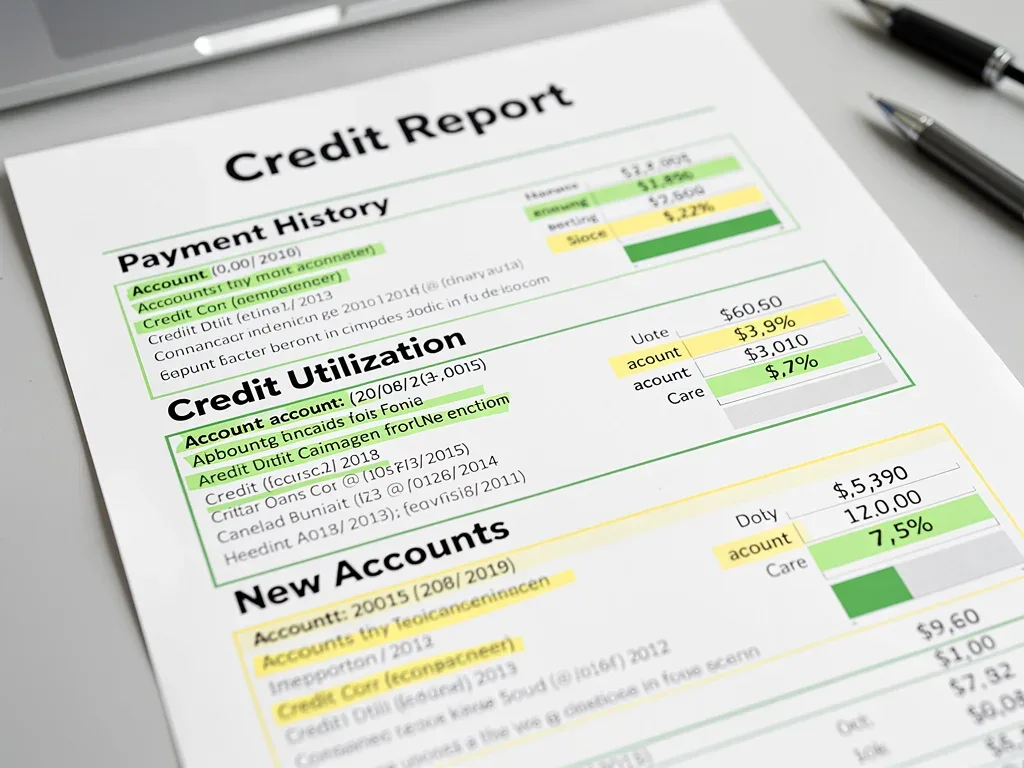
Your Credit Score: 10 Points to Consider for 2026
As 2026 unfolds, proactively managing your student loans is paramount to safeguarding and improving your credit score. These 10 points offer a comprehensive strategy to navigate the changing landscape, ensuring that your financial health remains robust amidst new repayment structures and forgiveness opportunities.
Each point addresses a critical aspect of credit management in the context of student loans, from understanding your current standing to strategic planning for future financial goals. Adhering to these guidelines can help you not only avoid potential pitfalls but also leverage the new environment to your advantage.
Essential Strategies for Credit Protection and Growth
Protecting your credit score involves a multi-faceted approach, combining vigilance with informed decision-making. Here are 10 crucial considerations for student loan borrowers in 2026:
- Know Your Loan Details: Understand your loan type (federal or private), interest rates, and repayment terms. This foundational knowledge is crucial for making informed decisions.
- Monitor Your Credit Report Regularly: Obtain free credit reports annually from all three bureaus to check for errors and track your student loan payment history.
- Enroll in Auto-Pay: Setting up automatic payments can prevent missed due dates, which are detrimental to your credit score, and sometimes even offers a slight interest rate reduction.
- Understand Income-Driven Repayment (IDR) Plans: If you’re struggling, explore IDR options like the SAVE plan to lower monthly payments, which can help you make on-time payments.
- Evaluate Forgiveness Programs: Research eligibility for new or enhanced forgiveness programs like PSLF or IDR account adjustments; early application can be beneficial.
- Avoid Default: Defaulting on student loans has severe credit consequences. If you anticipate difficulty, communicate with your loan servicer immediately to explore deferment or forbearance options.
- Maintain a Low Credit Utilization Ratio: While not directly tied to student loans, keeping other credit card balances low positively impacts your overall credit score.
- Diversify Your Credit Mix: A healthy mix of credit types (revolving and installment) can be beneficial, but don’t open new accounts unnecessarily.
- Be Wary of Scams: The evolving loan landscape attracts scammers. Be cautious of unsolicited offers promising immediate forgiveness or requesting personal financial information.
- Seek Professional Advice: If overwhelmed, consider consulting a non-profit credit counselor or financial advisor specializing in student loan debt.
Implementing these 10 points will provide a robust framework for managing your student loans and protecting your credit score in 2026. Proactive engagement and informed choices are your best allies.
Impact of New Forgiveness Programs on Credit Scores
While the primary goal of student loan forgiveness programs is to eliminate debt, their impact on credit scores is often misunderstood. Forgiveness itself generally does not directly boost a credit score in the same way paying off a loan does. However, the indirect benefits can be substantial, leading to improved financial health and, consequently, a stronger credit profile over time.
When a loan is forgiven, the account is typically reported as “paid in full” or “closed with zero balance.” This positive reporting removes a significant debt obligation from your credit report, which can improve your debt-to-income ratio and free up funds for other financial obligations, indirectly benefiting your credit.
Indirect Credit Benefits of Loan Forgiveness
The absence of a large student loan balance can open doors to new financial opportunities and improve various aspects of your credit report. It’s not just about removing debt; it’s about the subsequent financial flexibility.
- Reduced Debt Burden: Lowering your overall debt improves your debt-to-income ratio, a key metric for lenders evaluating new credit applications.
- Improved Credit Utilization: While student loans aren’t revolving credit, their removal can make other debt metrics look better to algorithms.
- Increased Disposable Income: With no student loan payments, you have more money to save, invest, or pay down other debts, which can further enhance your credit.
- Psychological Relief: Reduced financial stress often leads to better financial habits, including more diligent payment management across all accounts.
It’s important to remember that the positive impact is often gradual. The immediate effect might be neutral, but the long-term benefits of reduced financial obligation and improved cash flow are undeniable for your overall credit health.
Preparing for 2026: Actionable Steps for Borrowers
The transition into 2026 requires more than just awareness; it demands action. Borrowers must take concrete steps to review their current loan status, understand new program eligibility, and adjust their financial strategies accordingly. Procrastination can lead to missed opportunities or, worse, adverse credit outcomes.
The landscape is dynamic, and staying ahead means being proactive in gathering information and engaging with your loan servicer. This preparation can make the difference between navigating the changes smoothly and facing unexpected challenges.
Your Checklist for Financial Readiness
To ensure you’re fully prepared for the 2026 student loan environment, consider these actionable steps:
- Review Your Loan Servicer’s Communications: Pay close attention to emails, letters, and online portal updates from your loan servicer regarding payment schedules, program changes, and deadlines.
- Update Contact Information: Ensure your loan servicer has your most current mailing address, email, and phone number to receive critical updates.
- Re-evaluate Your Budget: With payments potentially resuming or changing, adjust your personal budget to accommodate these financial obligations without strain.
- Document Everything: Keep records of all communications with your loan servicer, payment confirmations, and application submissions for forgiveness programs.
These preparatory steps are crucial for effectively managing your student loans and protecting your financial standing in the coming year. A well-informed and organized borrower is a resilient borrower.

Common Pitfalls and How to Avoid Them
Despite the opportunities presented by new forgiveness programs and repayment options in 2026, borrowers face several common pitfalls that can negatively impact their credit scores and financial well-being. Awareness of these traps is the first step toward avoiding them, ensuring a smoother transition and more secure financial future.
Many of these issues stem from a lack of information, misunderstanding of program requirements, or simply failing to take timely action. By proactively addressing these potential problems, borrowers can safeguard their credit and maximize the benefits of available relief.
Avoiding Credit-Damaging Mistakes
- Ignoring Communications: Many borrowers miss critical updates from their loan servicers, leading to missed payments or missed opportunities for forgiveness. Always open and read all correspondence.
- Assuming Automatic Forgiveness: Forgiveness programs almost always require an application process. Do not assume your debt will be automatically cleared; actively pursue eligibility.
- Falling for Scams: Be skeptical of any entity promising instant loan forgiveness for a fee. Legitimate programs do not require payment to apply.
- Not Recertifying IDR Plans: Income-driven repayment plans require annual recertification of income and family size. Failing to do so can lead to increased payments and accrued interest.
- Making Late Payments: Even if you’re on an IDR plan or expect forgiveness, making late payments before your loan is officially discharged can damage your credit score.
- Not Checking Credit Reports: Errors on your credit report related to student loans can occur. Regularly checking allows you to dispute inaccuracies promptly.
- Misunderstanding Deferment/Forbearance: While these options pause payments, interest often continues to accrue, increasing your total debt. Use them judiciously and understand the terms.
By being vigilant and informed, borrowers can successfully navigate the complexities of student loan management in 2026, avoiding common mistakes that could otherwise derail their financial progress and harm their credit scores.
| Key Point | Brief Description |
|---|---|
| 2026 Loan Changes | New policies, IDR plans, and forgiveness programs are redefining student loan repayment. |
| Credit Score Impact | On-time payments are crucial; missed payments severely damage credit. Forgiveness has indirect benefits. |
| New Forgiveness | SAVE Plan, PSLF enhancements, and IDR adjustments offer significant relief opportunities. |
| Actionable Steps | Monitor reports, set auto-pay, understand programs, and avoid common pitfalls for financial health. |
Frequently Asked Questions About 2026 Student Loans
How will the new SAVE plan affect my credit score in 2026?▼The SAVE plan can positively impact your credit score by offering lower monthly payments, making it easier to consistently pay on time. On-time payments are a major factor in credit scoring, helping you avoid delinquencies that could harm your score. It also prevents interest capitalization, which can reduce overall debt burden.
Do student loan forgiveness programs directly improve my credit score?▼Directly, forgiveness programs typically report the loan as paid in full or closed with a zero balance, which is a neutral or slightly positive event. The significant benefit is indirect: reduced debt improves your debt-to-income ratio, frees up funds for other payments, and alleviates financial stress, leading to better overall financial management and credit health.
What are the 10 key points to consider for my credit score with student loans?▼The 10 key points include knowing loan details, monitoring credit reports, setting up auto-pay, understanding IDR plans, evaluating forgiveness programs, avoiding default, maintaining low credit utilization, diversifying credit mix, being wary of scams, and seeking professional advice. Adhering to these strategies is crucial for credit protection.
Will deferred or foregone payments during the pause negatively affect my credit?▼No, payments paused during federal forbearance periods, such as those implemented during the pandemic, are generally reported as administrative forbearance or current, meaning they do not negatively impact your credit score. However, once payments resume, failing to make them on time will affect your credit.
How can I check if I’m eligible for new forgiveness programs?▼To check eligibility, visit the official Federal Student Aid website (studentaid.gov), review program requirements for the SAVE plan, PSLF, and IDR account adjustments, and contact your loan servicer. They can provide personalized information and guide you through the application process for any programs you may qualify for.
Conclusion
The year 2026 marks a pivotal moment for student loan borrowers, characterized by both challenges and unprecedented opportunities. The intricate interplay between evolving repayment structures, new forgiveness programs, and their direct impact on your credit score demands a proactive and informed approach. By diligently applying the 10 key points discussed, understanding the nuances of new forgiveness initiatives, and staying vigilant against common pitfalls, borrowers can effectively navigate this complex landscape. Ultimately, safeguarding your financial health and improving your credit score in 2026 hinges on continuous engagement, informed decision-making, and a commitment to responsible loan management.