Identity Theft & Credit Score 2026: 72-Hour Damage Control
Advertisements
Mitigating identity theft damage to your credit score within 72 hours in 2026 requires immediate action, including freezing credit, reporting to authorities, and monitoring financial accounts to prevent long-term financial repercussions.
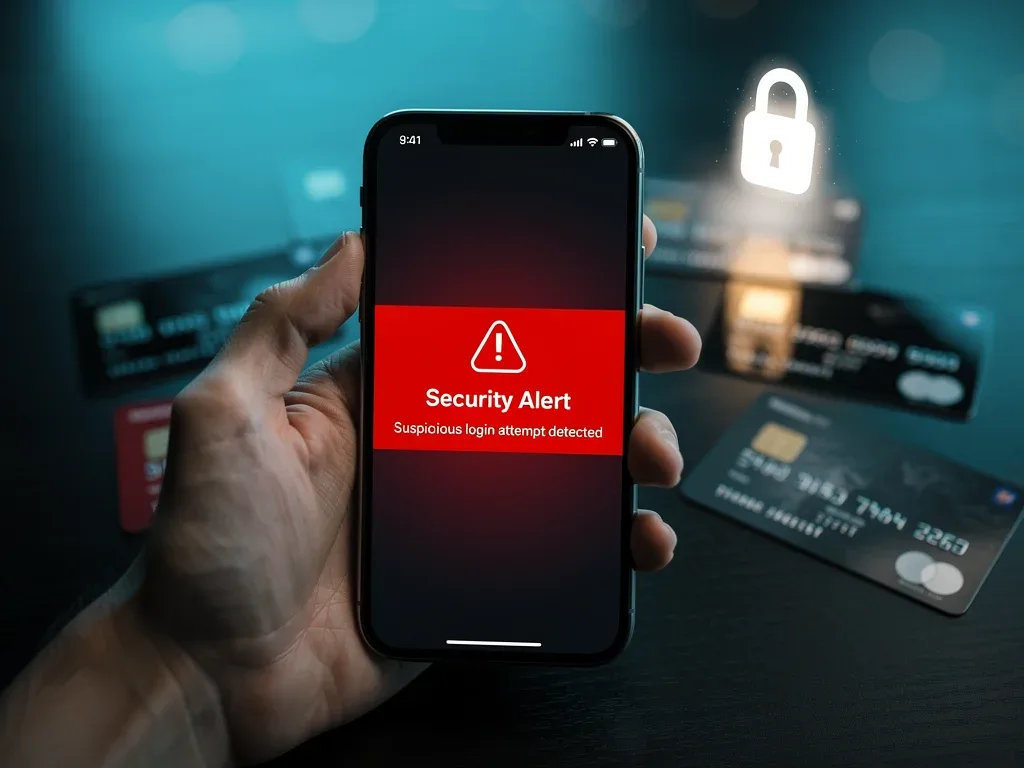
Imagine waking up to a notification about an unfamiliar loan or credit card application in your name. In 2026, the specter of identity theft and your credit score looms larger than ever, with sophisticated digital attacks making it crucial to understand how to react swiftly. The first 72 hours after discovering a breach are critical, determining the extent of potential financial damage and the road to recovery.
Understanding the Evolving Threat Landscape in 2026
The digital world of 2026 presents a complex and ever-changing landscape for personal data security. Cybercriminals are constantly innovating, using advanced AI-driven phishing scams, sophisticated malware, and data breaches to compromise personal information. Understanding these evolving threats is the first step in proactive defense and rapid response.
Traditional methods of identity theft, such as dumpster diving or mail interception, still exist, but they are increasingly overshadowed by digital vectors. Large-scale data breaches, where millions of records are exposed, have become unfortunately common. These breaches often include sensitive data like social security numbers, birth dates, and even biometric information, making the potential for identity misuse significantly higher.
AI-Powered Identity Theft Tactics
In 2026, AI has become a double-edged sword. While it enhances security measures, it also empowers fraudsters with new tools. AI-powered phishing emails are now virtually indistinguishable from legitimate communications, often tailored with personal details scraped from social media or previous data leaks. Deepfake technology is also emerging as a threat, potentially allowing criminals to impersonate individuals for voice or video verification processes.
- Sophisticated Phishing: Emails and messages are highly personalized and appear legitimate.
- Deepfake Impersonation: AI-generated audio and video used to bypass security checks.
- Automated Account Takeovers: Bots leverage stolen credentials to access financial accounts rapidly.
- Biometric Data Exploitation: Breached biometric data can be used to bypass advanced authentication.
The sheer volume and complexity of these attacks mean that even the most vigilant individuals can fall victim. Therefore, knowing what to do immediately after a suspected breach is paramount. The speed of your response can significantly reduce the financial and emotional toll.
Immediate Steps Within the First 24 Hours: Containment is Key
The moment you suspect identity theft, every second counts. Your primary goal in the first 24 hours is containment – preventing further damage and securing your existing accounts. This involves a series of rapid, decisive actions that can significantly limit the impact on your finances and credit score.
First and foremost, you need to identify the source of the breach, if possible. This could be an unfamiliar transaction on a bank statement, a notification about a new account, or an email regarding a data breach at a service you use. Regardless of how you find out, do not delay action.
Freezing Your Credit Reports
This is arguably the most critical step. A credit freeze restricts access to your credit report, preventing identity thieves from opening new accounts in your name. You must contact all three major credit bureaus individually to place a freeze. This is a free service and can be done online or by phone.
- Experian: Visit their website or call their fraud department.
- Equifax: Access their security freeze page or contact them directly.
- TransUnion: Utilize their online freeze tool or phone service.
While a credit freeze prevents new accounts, it doesn’t stop unauthorized charges on existing accounts. Therefore, simultaneously reviewing all your financial statements and locking specific cards is also essential. Many banks and credit card companies now offer instant card locking through their mobile apps.
Reporting the Incident: Official Channels and Documentation
Once you’ve taken initial containment measures, the next crucial step is to officially report the identity theft. This not only creates a paper trail for your case but also provides legal standing and aids in the recovery process. Proper documentation is vital for disputing fraudulent charges and removing erroneous entries from your credit report.
Start by filing a report with the Federal Trade Commission (FTC). The FTC’s IdentityTheft.gov website is an invaluable resource, providing a personalized recovery plan and an official Identity Theft Report. This report is often required by creditors and law enforcement.
Contacting Law Enforcement
While an FTC report is comprehensive, filing a police report in your local jurisdiction can also be beneficial, especially if you know the perpetrator or if a creditor requires one. Be prepared to provide as much detail as possible, including the FTC report, any fraudulent documents, and dates of suspicious activity.
When contacting law enforcement, ensure you get a copy of the police report or at least the report number. This documentation will be critical for your ongoing recovery efforts. It provides an official record of the crime, which can be useful when dealing with financial institutions.
Keep a meticulous record of all communications. This includes dates, times, names of individuals you spoke with, and a summary of the conversation. This detailed log will be invaluable if you need to follow up or escalate issues later on.
Securing Existing Accounts and Changing Credentials
After freezing your credit and filing official reports, your focus shifts to securing all your existing financial and online accounts. This involves a thorough review of activity and a proactive approach to changing passwords and strengthening authentication methods. Identity thieves often test stolen credentials across multiple platforms.
Begin by contacting your banks, credit card companies, and any other financial institutions where you have accounts. Inform them of the identity theft and review all recent transactions for unauthorized activity. Close any accounts that have been compromised or opened fraudulently.
Password Hygiene and Multi-Factor Authentication
Immediately change passwords for all your online accounts, starting with email, banking, and social media. Use strong, unique passwords for each account, preferably generated by a password manager. Avoid reusing passwords at all costs.
- Strong Passwords: Combine uppercase, lowercase, numbers, and symbols.
- Password Manager: Utilize tools to generate and store complex passwords securely.
- Multi-Factor Authentication (MFA): Enable MFA on all accounts that offer it.
- Security Questions: Update security questions to answers that are not easily guessable.
Enabling multi-factor authentication (MFA) adds an extra layer of security, requiring a second form of verification beyond just a password. This could be a code sent to your phone, a fingerprint scan, or a hardware token. This significantly reduces the chances of an account takeover, even if your password is stolen.
Monitoring Your Credit and Financial Statements
The battle against identity theft doesn’t end after the initial 72 hours; it becomes an ongoing process of vigilance. Continuous monitoring of your credit reports and financial statements is crucial to detect any new fraudulent activity and ensure that previous issues are resolved. This proactive approach helps protect your credit score from long-term damage.
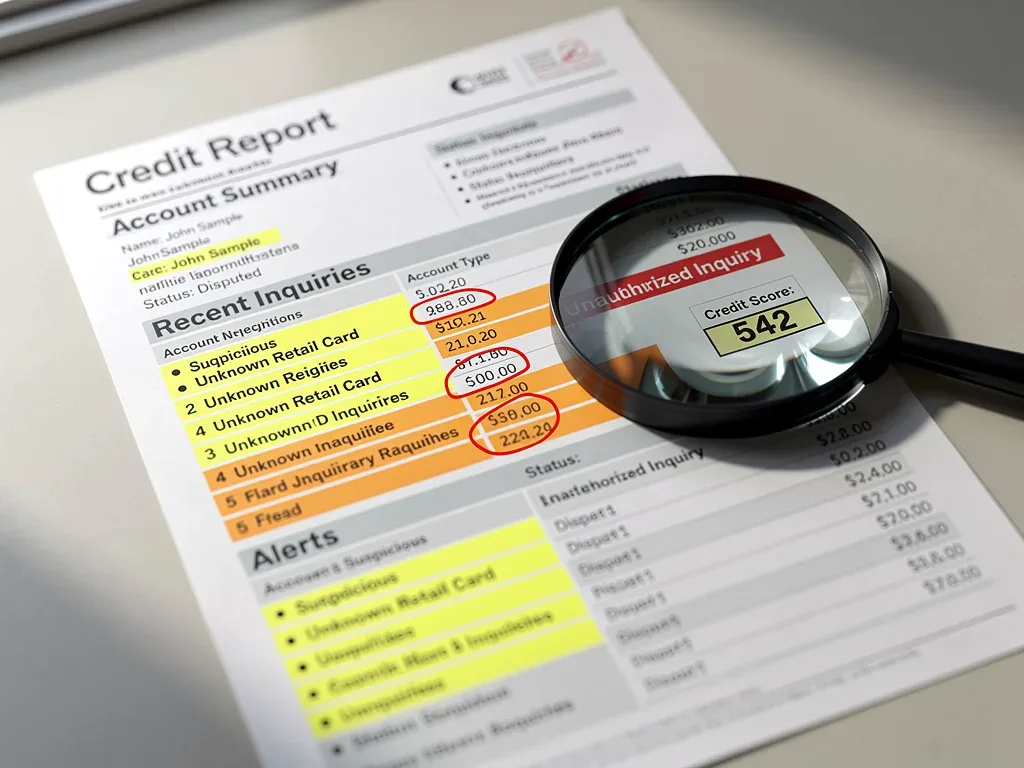
Regularly review your credit reports from all three major bureaus. You are entitled to a free credit report from each bureau once every 12 months through AnnualCreditReport.com. However, during identity theft recovery, you might be able to access them more frequently. Look for any unfamiliar accounts, inquiries, or addresses. Even minor discrepancies can indicate ongoing fraud.
Utilizing Credit Monitoring Services
Consider subscribing to a credit monitoring service. Many of these services offer real-time alerts for suspicious activity, such as new accounts opened in your name or significant changes to your credit score. While some come with a fee, the peace of mind and early detection capabilities can be invaluable during recovery.
Beyond credit reports, meticulously review all bank statements, credit card statements, and any bills you receive. Check for small, unusual transactions that might be tests by fraudsters to see if an account is active. Report any suspicious activity immediately to the relevant financial institution.
It’s also wise to monitor your utility bills and tax records. Identity thieves can open utility accounts or file fraudulent tax returns in your name. Early detection of these issues can prevent significant headaches down the line and help maintain the integrity of your financial identity.

Disputing Fraudulent Charges and Repairing Your Credit Score
Once you’ve identified fraudulent charges or accounts, the next critical phase involves disputing them and working to repair any damage to your credit score. This process requires patience and persistence, but it’s essential for restoring your financial health and ensuring your creditworthiness remains intact.
For fraudulent charges on existing accounts, contact your bank or credit card company immediately. They will usually have a fraud department dedicated to investigating and resolving these issues. Most financial institutions offer zero-liability policies, meaning you won’t be held responsible for unauthorized transactions if reported promptly.
Working with Credit Bureaus to Remove Errors
For fraudulent accounts or inquiries on your credit report, you’ll need to dispute these directly with each of the three major credit bureaus (Experian, Equifax, TransUnion). Provide them with your FTC Identity Theft Report and any police reports you filed. The bureaus are legally obligated to investigate your claims and remove any inaccurate information.
- Provide Documentation: Submit your FTC Identity Theft Report and police reports.
- Be Specific: Clearly identify each fraudulent entry you are disputing.
- Follow Up: Keep records of all communications and follow up regularly.
- Review Updates: Check your credit reports periodically to ensure corrections are made.
The dispute process can take time, often up to 30 days or more. Be prepared to provide additional documentation if requested. Maintaining a detailed log of all your actions, including dates, names, and outcomes, will be invaluable throughout this period. Your diligence in this phase directly impacts how quickly your credit score recovers.
Long-Term Protection and Proactive Measures for 2026
Recovering from identity theft is a marathon, not a sprint. Even after the immediate crisis has passed and your credit score begins to stabilize, maintaining long-term vigilance and adopting proactive measures are essential to prevent future incidents. The landscape of cyber threats in 2026 demands continuous adaptation.
One of the most effective long-term strategies is to regularly review your financial habits and online security practices. Be cautious about sharing personal information online, especially on social media. Always question unsolicited requests for sensitive data, whether by email, phone, or text message.
Advanced Security Tools and Habits
Invest in robust cybersecurity tools. This includes reliable antivirus software, a firewall, and a virtual private network (VPN) for secure internet browsing, especially on public Wi-Fi networks. Keep all your software and operating systems updated, as these updates often include critical security patches.
- Secure Wi-Fi: Use strong encryption for your home network; avoid public Wi-Fi for sensitive transactions.
- Data Minimization: Only share personal data when absolutely necessary.
- Shred Documents: Securely dispose of physical documents containing personal information.
- Regular Credit Checks: Continue to monitor your credit reports for any anomalies.
Consider identity theft protection services that go beyond credit monitoring, offering features like dark web surveillance, lost wallet protection, and identity restoration assistance. While these services come with a cost, they can provide an extra layer of defense and peace of mind in an increasingly complex digital world. By integrating these proactive measures into your daily routine, you can significantly reduce your risk of becoming a repeat victim of identity theft.
| Key Action | Brief Description |
|---|---|
| Freeze Credit | Immediately contact all three credit bureaus to prevent new accounts from being opened. |
| Report to FTC | File an official report with the Federal Trade Commission via IdentityTheft.gov. |
| Secure Accounts | Change all passwords, enable MFA, and review financial statements for fraud. |
| Monitor & Dispute | Continuously monitor credit reports and dispute any fraudulent activities or accounts. |
Frequently Asked Questions About Identity Theft and Credit Scores
How quickly should I act after discovering identity theft?▼You should act immediately, ideally within the first 24 to 72 hours. Swift action, such as placing a credit freeze and reporting the incident, can significantly limit the financial damage and make the recovery process much smoother. Delays can lead to more extensive fraudulent activity and greater impact on your credit score.
What is the primary impact of identity theft on my credit score?▼Identity theft can severely damage your credit score by introducing fraudulent accounts, unauthorized inquiries, and unpaid debts. These negative entries can drastically lower your score, making it difficult to obtain loans, credit cards, or even housing. Prompt dispute resolution is key to minimizing this impact.
Is freezing my credit report sufficient to prevent all identity theft?▼While freezing your credit report is a crucial step that prevents new credit accounts from being opened, it does not stop unauthorized use of existing accounts. You still need to monitor bank and credit card statements, change passwords, and enable multi-factor authentication for comprehensive protection.
How long does it take to repair my credit score after identity theft?▼The time it takes to repair your credit score after identity theft varies depending on the extent of the damage and your diligence in disputing fraudulent entries. It can range from a few months to over a year. Consistent monitoring and follow-up with credit bureaus and creditors are essential for a faster recovery.
Should I file a police report for identity theft?▼Yes, filing a police report is often recommended, especially if a creditor requires it or if you know the perpetrator. While an FTC Identity Theft Report is usually sufficient for disputes, a police report adds another layer of official documentation, strengthening your case during the recovery process.
Conclusion
The threat of identity theft in 2026 is pervasive, demanding both immediate action and long-term vigilance. Understanding the critical steps to take within the first 72 hours—from freezing credit and reporting to authorities to securing accounts and meticulously monitoring your financial health—is paramount. While the journey to full recovery can be challenging, proactive measures and persistent efforts in disputing fraudulent activities are essential. By adopting robust cybersecurity practices and maintaining continuous awareness, individuals can significantly mitigate the damage to their credit score and reclaim their financial security in an increasingly complex digital world.