2026 Guide to Removing Collections: Your 60-Day Action Plan

Advertisements
Effectively removing collections from your credit report within 60 days requires a strategic approach, encompassing understanding your rights, meticulous dispute processes, and informed negotiation tactics to significantly improve your financial standing.
Are you staring at collection accounts on your credit report, wondering how to make them disappear? In 2026, navigating the complexities of credit repair can feel daunting, but with The 2026 Guide to Removing Collections from Your Credit Report: A 60-Day Action Plan, you have a clear roadmap to financial freedom. This comprehensive guide will empower you with the knowledge and strategies needed to tackle collection accounts head-on, improving your credit score and opening doors to better financial opportunities.
Understanding collections and their impact on your credit
Collection accounts are a significant red flag on your credit report, signaling to lenders that you’ve failed to repay a debt as agreed. When an original creditor gives up on collecting a debt, they often sell it to a third-party collection agency. This agency then attempts to collect the debt, and if unsuccessful, it reports the collection to credit bureaus, severely impacting your credit score.
The presence of collections can lower your score by tens, or even hundreds, of points, making it harder to secure loans, mortgages, or even rent an apartment. Understanding how these accounts appear and their long-term effects is the first step toward effective removal. Even if you eventually pay a collection, its presence can remain on your report for up to seven years from the date of the original delinquency, highlighting the importance of proactive removal.
The anatomy of a collection entry
A typical collection entry on your credit report will include several key pieces of information. This usually involves the name of the collection agency, the original creditor, the amount owed, the date of original delinquency, and the date the collection was reported. Familiarizing yourself with these details is crucial for building a strong dispute or negotiation strategy.
- Collection Agency Name: Identifies who is reporting the debt.
- Original Creditor: The initial company you owed money to.
- Account Number: A unique identifier for the debt.
- Date of Original Delinquency (DOFD): The most important date, as it determines how long the collection can stay on your report.
The date of original delinquency is particularly important because it dictates the statute of limitations for reporting the debt. Even if the collection agency reports the debt much later, the seven-year clock starts ticking from this initial delinquency date, not from when the collection agency acquired the debt.
Why collections hurt your credit score
Credit scoring models, like FICO and VantageScore, heavily penalize collection accounts. This is because collections indicate a high risk of default. Even a small collection can have a disproportionate impact, especially if it’s recent. The newer the collection, the more damage it inflicts on your score. Removing these entries is paramount for credit score recovery and improvement.
Beyond the immediate score drop, collections can also affect your ability to get favorable interest rates on new credit. Lenders view borrowers with collections as higher risk, leading to higher rates or outright denial. Therefore, addressing these issues promptly is not just about a numerical score, but about accessing better financial products and opportunities.
Your 60-day action plan: Phase 1 (Days 1-15)
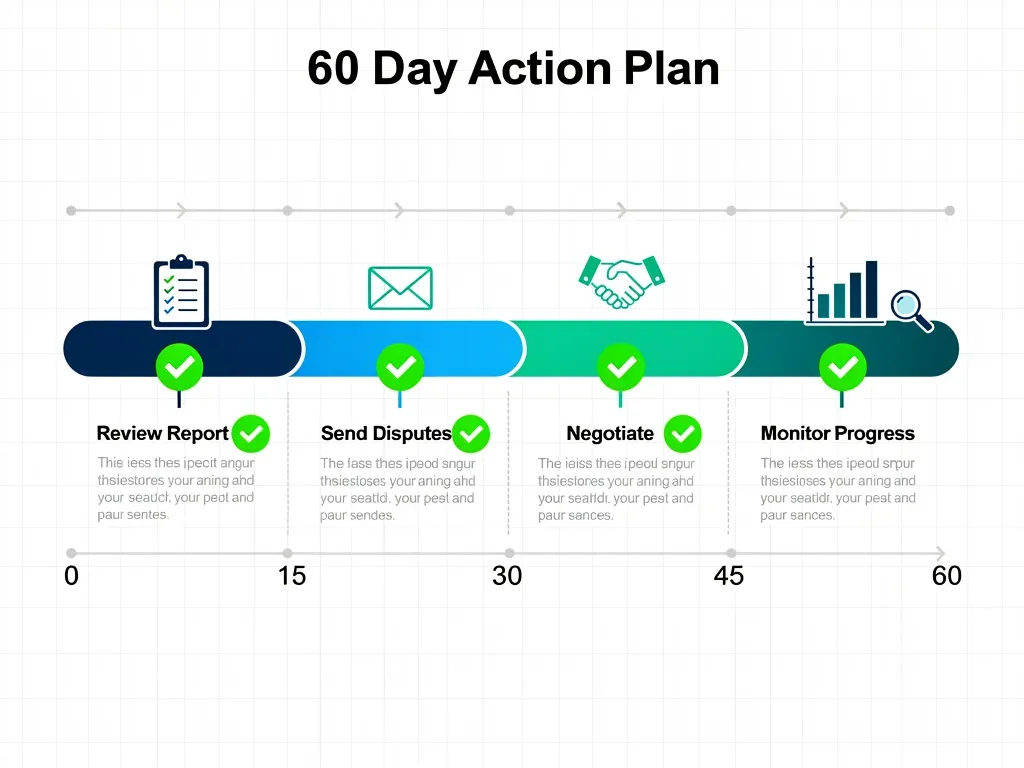
The initial 15 days of your 60-day action plan are critical for gathering information and establishing a strong foundation for your collection removal efforts. This phase focuses on meticulous credit report review and the crucial step of sending a debt validation letter. Precision and promptness here will set the tone for success.
Don’t rush this stage. A thorough review of your credit reports from all three major bureaus—Experian, Equifax, and TransUnion—is non-negotiable. Look for inconsistencies, inaccuracies, or any information that doesn’t align with your records. This initial scrutiny can uncover vital leverage for your disputes.
Obtaining and reviewing your credit reports
Your first step is to obtain free copies of your credit reports from AnnualCreditReport.com. This is the only federally authorized website for free reports. Review each report carefully, specifically looking for collection accounts. Cross-reference the information across all three reports. Discrepancies between reports can be a powerful tool in your favor.
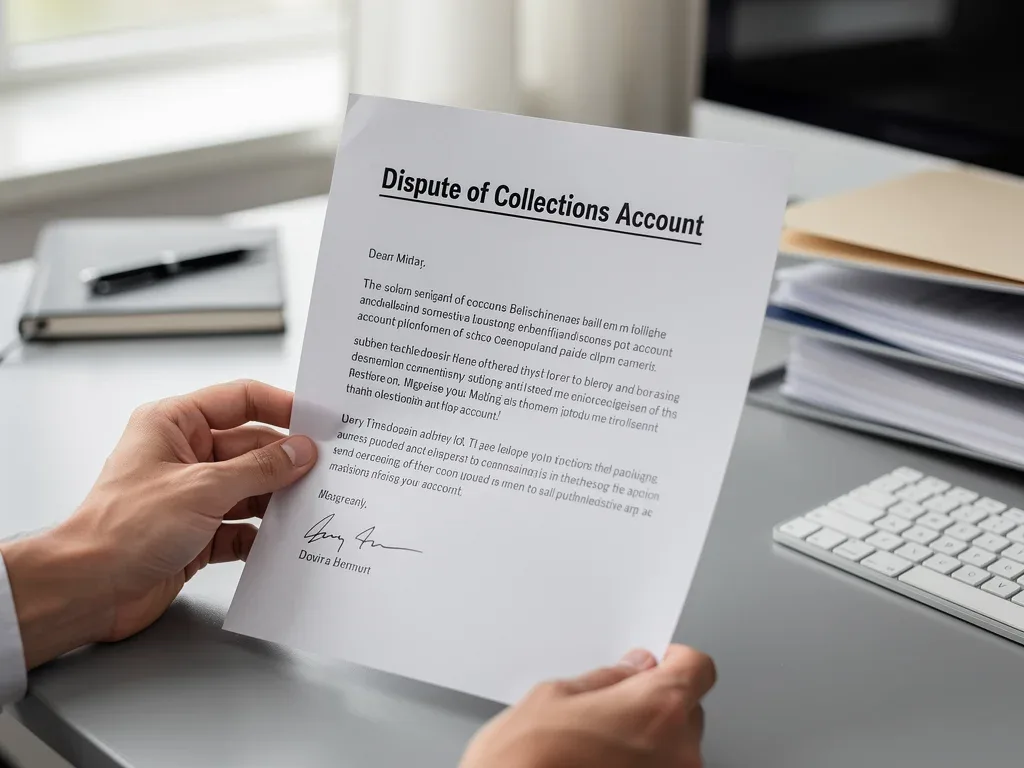
Look for details such as the collection agency’s name, the original creditor, the amount, and especially the date of original delinquency (DOFD). Any errors, even minor ones like incorrect account numbers or reporting dates, can be grounds for dispute. Pay close attention to accounts you don’t recognize or those that seem too old.
Sending a debt validation letter
Within 30 days of initial contact from a collection agency, you have the legal right under the Fair Debt Collection Practices Act (FDCPA) to request debt validation. This is a powerful tool to ensure the debt is legitimate and that the collector has the right to pursue it. Send this letter via certified mail with a return receipt requested to have proof of delivery.
- What to include: State clearly that you are requesting validation of the debt.
- What to ask for: Demand proof that you owe the debt, the original creditor’s name, and their right to collect.
- Why it’s crucial: If the agency cannot validate the debt, they must stop collection activities and remove the entry from your credit report.
Many collection agencies struggle to provide complete validation, especially for older debts. If they fail to validate, you have a strong case for removal. This step should be taken promptly within the initial 15 days to maximize its effectiveness.
Your 60-day action plan: Phase 2 (Days 16-30)
With your credit reports reviewed and debt validation letters sent, Phase 2 focuses on active disputes and initial negotiations. This period requires vigilance and a clear understanding of your rights. The responses, or lack thereof, from collection agencies and credit bureaus will guide your next moves. Be prepared to follow up diligently.
During these two weeks, you’ll be waiting for responses to your validation requests. Meanwhile, you should also be preparing to formally dispute any inaccuracies found on your credit reports directly with the credit bureaus. This dual approach increases your chances of successful collection removal.
Disputing inaccurate information with credit bureaus
If you find errors on your credit report, you have the right to dispute them with Experian, Equifax, and TransUnion. You can do this online, by mail, or by phone. Provide specific details about the inaccuracy and include any supporting documentation you have. The credit bureaus have 30 days (sometimes 45 days if you submit additional information later) to investigate your dispute.
- Be Specific: Clearly state what information is incorrect and why.
- Provide Evidence: Attach copies of any documents that support your claim (e.g., payment receipts, cancelled checks, validation failures).
- Track Everything: Keep detailed records of all correspondence, including dates, names, and what was discussed.
If the credit bureau finds the information inaccurate or unverifiable, they must remove it from your report. This is a powerful mechanism for cleaning up your credit. Remember, you’re not just disputing with the collection agency; you’re also disputing with the entities that publish the information.
Analyzing responses and preparing for negotiation
By the end of this phase, you should start receiving responses to your debt validation requests. If the agency fails to validate the debt, send a follow-up letter demanding removal from your credit report. If they do validate it, carefully review the documentation provided. Look for any inconsistencies or missing information that could still be leveraged for a dispute or negotiation.
If the debt is legitimate and validated, your next step is to consider negotiation. Don’t jump into this without a plan. Research the original debt, understand the statute of limitations in your state (which determines how long you can be sued for the debt, separate from credit reporting), and decide on a realistic settlement amount. Many collection agencies are willing to settle for less than the full amount, especially if the debt is older.
Your 60-day action plan: Phase 3 (Days 31-45)
Phase 3 is where direct action against validated debts takes center stage. This involves strategic negotiation with collection agencies and leveraging pay-for-delete agreements. This period requires assertive communication and a clear understanding of your financial limits and the agency’s potential flexibility. Persistence is key here.
By now, you should have a clear picture of which debts are valid and which might be disputable. For validated debts, the goal shifts from outright removal based on inaccuracy to negotiating a favorable outcome that also leads to removal from your credit report. This often involves a ‘pay-for-delete’ strategy.
Negotiating ‘pay-for-delete’ agreements
A ‘pay-for-delete’ agreement is a negotiation tactic where you offer to pay a portion of the debt in exchange for the collection agency agreeing to remove the collection entry from your credit report. This is not a guaranteed outcome, as collection agencies are not legally obligated to agree, but many are open to it, especially for older or smaller debts.
- Always get it in writing: Never pay anything without a written agreement stating they will remove the collection from all three credit bureaus.
- Start low: Offer a lower amount than you’re willing to pay, typically 25-50% of the total debt, and be prepared to negotiate upwards.
- Be patient: Negotiations can take time. Don’t feel pressured to agree to the first offer.
If they agree to a pay-for-delete, ensure the written agreement specifies that the account will be deleted, not just marked as ‘paid.’ A ‘paid collection’ still negatively impacts your score, albeit less severely than an unpaid one. The goal is complete removal.
Following up on disputes and initial removals
During this phase, you’ll also be following up on the disputes you filed with the credit bureaus in Phase 2. They should be nearing the end of their investigation period. If an item is removed, great! If not, or if they claim the information is accurate, review their findings carefully. You have the right to request the method of verification they used.
If the credit bureau verifies an inaccurate item based on incorrect information provided by the collection agency, you can escalate your dispute. This might involve filing a complaint with the Consumer Financial Protection Bureau (CFPB) or seeking legal counsel. Documenting every step of this process is vital for any potential escalation.
Your 60-day action plan: Phase 4 (Days 46-60)
The final phase of your 60-day action plan is dedicated to monitoring, confirming removals, and strategically building positive credit. This period is about solidifying your gains and ensuring the work you’ve done yields lasting results. It’s not just about removing negatives, but also about cultivating a healthier financial profile for the long term.
Even after successful disputes or pay-for-delete agreements, it’s crucial to verify that the collection accounts have indeed been removed from all three credit reports. Proactive monitoring helps catch any re-reporting or new inaccuracies that might arise.
Verifying collection removals and monitoring credit reports
After the 30-45 day investigation period by the credit bureaus, or after a pay-for-delete agreement, obtain updated copies of your credit reports. Check all three reports to ensure the collection accounts you targeted have been removed. If an account is still present despite a successful dispute or agreement, follow up immediately with the credit bureau or the collection agency, providing proof of your successful actions.
Set up credit monitoring services. Many credit card companies and banks offer free credit monitoring, or you can use reputable third-party services. This will alert you to any significant changes or new activity on your credit report, allowing you to address issues quickly.
Building positive credit and long-term strategies
With collections removed, your credit score should see a noticeable improvement. Now is the time to focus on building positive credit. This involves responsible credit management practices that will continue to boost your score over time.
- Pay on time: Payment history is the most critical factor in your credit score.
- Keep credit utilization low: Aim to keep your credit card balances below 30% of your credit limits.
- Maintain a mix of credit: A healthy mix of installment loans (like car loans) and revolving credit (like credit cards) can be beneficial.
Consider opening a secured credit card or a small installment loan if you have limited credit. These tools can help you establish a positive payment history. Continuously review your credit reports annually to catch any new errors and ensure your financial health remains on track.
Advanced strategies for stubborn collections
Sometimes, despite your best efforts, a collection account might prove particularly stubborn. This is where more advanced strategies into play, requiring a deeper understanding of consumer protection laws and potentially involving professional assistance. Don’t lose hope if an item doesn’t budge immediately; there are still avenues to explore.
These advanced tactics are usually reserved for situations where standard dispute and negotiation methods have been exhausted or when dealing with particularly aggressive collection agencies. Knowing your legal rights becomes even more critical in these scenarios.
Leveraging consumer protection laws
The Fair Debt Collection Practices Act (FDCPA) protects consumers from abusive debt collection practices. If a collection agency violates your rights (e.g., calls you at unreasonable hours, threatens you, or discusses your debt with third parties), you can use this to your advantage. Document any FDCPA violations meticulously.
- Cease and Desist Letter: If a collector is harassing you, send a certified letter demanding they stop contacting you.
- CFPB Complaints: File a complaint with the Consumer Financial Protection Bureau (CFPB) for FDCPA violations or unresolved disputes.
- State Attorney General: Your state’s Attorney General’s office can also investigate unfair business practices.
Evidence of FDCPA violations can be powerful leverage in negotiating the removal of a collection. In some cases, agencies might even remove the debt to avoid further legal scrutiny or fines.
When to consider professional credit repair services
If you’re overwhelmed, or if collections remain on your report despite your diligent efforts, it might be time to consider a reputable credit repair company. These professionals specialize in navigating complex credit laws and can often achieve results that individuals struggle with. However, choose wisely, as the industry has its share of scams.
Look for companies with a strong track record, transparent pricing, and clear communication about what they can and cannot do. Avoid any company that promises guaranteed overnight results or asks for upfront payment before services are rendered, as these are red flags. A legitimate service will work within the confines of the law, using strategies similar to those outlined in this guide, but with professional expertise.
Preventing future collection accounts
Successfully removing collections is a significant achievement, but preventing them from reappearing is equally important. Long-term financial health depends on establishing sound financial habits and proactive management. This final section focuses on strategies to maintain a clean credit report and avoid future debt pitfalls.
The lessons learned from dealing with collections can be invaluable. Use this experience to refine your budgeting, spending, and debt management practices. A proactive approach is always better than a reactive one when it comes to your credit.
Budgeting and debt management best practices
Creating and sticking to a realistic budget is fundamental. Know exactly where your money goes each month. Prioritize essential expenses and allocate funds for debt repayment. Consider debt management strategies like the debt snowball or debt avalanche method to tackle existing obligations systematically.
- Emergency Fund: Build an emergency fund to cover unexpected expenses, preventing reliance on credit.
- Automate Payments: Set up automatic payments to avoid missed deadlines and late fees.
- Track Spending: Regularly review your bank statements and credit card activity to monitor spending.
These practices not only help you avoid new collections but also contribute to overall financial stability. A well-managed budget is your first line of defense against financial distress.
Regular credit monitoring and financial literacy
Make a habit of regularly checking your credit reports (at least annually from AnnualCreditReport.com) and monitoring your credit score. This allows you to catch any potential issues early before they escalate into serious problems. Understanding how your actions impact your credit score is a continuous learning process.
Invest in your financial literacy. Read reputable financial blogs, take online courses, or consult with financial advisors. The more you understand about personal finance, the better equipped you’ll be to make informed decisions and safeguard your credit health. Preventing collections is far easier and less stressful than removing them.
| Key Action | Brief Description |
|---|---|
| Review Credit Reports | Obtain and meticulously check all three reports for inaccuracies and collection details. |
| Send Validation Letters | Request proof of debt legitimacy from collection agencies within 30 days of contact. |
| Negotiate ‘Pay-for-Delete’ | Offer to pay a portion of the debt in exchange for its removal from your credit report. |
| Monitor & Build Credit | Verify removals, establish positive credit habits, and regularly monitor your reports. |
Frequently asked questions about collection removal
Can a paid collection still hurt my credit score?▼Yes, a paid collection can still negatively impact your credit score, though typically less severely than an unpaid one. Credit scoring models differentiate between paid and unpaid collections, but for maximum impact, complete removal through dispute or pay-for-delete is ideal.
How long do collections stay on my credit report?▼Collection accounts can remain on your credit report for up to seven years from the date of the original delinquency (DOFD). This period applies regardless of when the collection agency acquired the debt or when you paid it off.