2026 Annual Credit Report: Accuracy Review to Prevent Score Drops

Advertisements
Regularly reviewing your 2026 annual credit report is essential for identifying and correcting inaccuracies that could otherwise lead to a detrimental drop in your credit score, safeguarding your financial future.
In today’s dynamic financial landscape, staying on top of your credit health is more critical than ever. The 2026 annual credit report serves as a comprehensive snapshot of your financial reliability, and a thorough review is your first line of defense against potential pitfalls. Ignoring this vital document can lead to unexpected credit score drops, impacting everything from loan approvals to interest rates. This guide will walk you through the essential steps to meticulously examine your report for accuracy and prevent a significant 20-point drop.
Understanding the Importance of Your 2026 Annual Credit Report
Your credit report is more than just a list of your debts; it’s a detailed history of your financial responsibility, influencing major life decisions. Lenders, landlords, and even employers utilize this information to assess your trustworthiness. As we move into 2026, the data contained within these reports continues to evolve, making a proactive approach to review and maintenance absolutely indispensable. A single error, left unchecked, can have a ripple effect, undermining years of diligent financial management.
The landscape of credit reporting agencies and data collection has become increasingly sophisticated. While this generally leads to more comprehensive data, it also introduces more opportunities for inaccuracies to creep in. Understanding the components of your report is the first step toward effective oversight. This includes personal information, credit accounts, public records, and inquiries. Each section holds critical data that directly contributes to your overall credit score.
The Pillars of Your Credit Report
Your credit report is built upon several foundational elements, each playing a distinct role in shaping your financial narrative. Familiarizing yourself with these pillars empowers you to conduct a more targeted and effective review.
- Personal Information: Verifying your name, address, Social Security number, and date of birth is crucial. Errors here can lead to mixed files or identity theft.
- Credit Accounts: This section details all your credit lines, including credit cards, mortgages, and auto loans. Check account numbers, payment history, credit limits, and balances.
- Public Records: Bankruptcies, foreclosures, and tax liens, if applicable, are listed here. Ensure the accuracy and timeliness of these entries.
- Credit Inquiries: Both hard and soft inquiries are recorded. Hard inquiries can slightly lower your score, so verify any unfamiliar entries.
By dissecting your report into these core components, you can systematically scan for discrepancies. This granular approach ensures that no stone is left unturned in your quest for accuracy, laying the groundwork for a robust financial standing in 2026 and beyond.
Accessing Your 2026 Annual Credit Report: The Right Way
Before you can review your credit report, you need to obtain it. Federal law grants you the right to a free credit report from each of the three major credit bureaus—Equifax, Experian, and TransUnion—once every 12 months. In 2026, the process remains streamlined, primarily through AnnualCreditReport.com, the only authorized website for free reports. Beware of look-alike sites that may try to charge you for this free service or collect your personal information for nefarious purposes.
It’s a common strategy to stagger your requests throughout the year, obtaining one report every four months. This allows you to monitor your credit activity more regularly, catching potential issues sooner rather than later. For example, you might request your Equifax report in January, Experian in May, and TransUnion in September. This continuous monitoring is a powerful tool in preventing unexpected credit score drops.
Strategic Retrieval for Continuous Monitoring
Maximizing your access to free credit reports involves a thoughtful strategy. Rather than pulling all three at once, which provides a single snapshot, staggering them offers ongoing vigilance.
- January: Request your report from Equifax.
- May: Request your report from Experian.
- September: Request your report from TransUnion.
This method ensures that you have eyes on your credit file at different points in the year, providing a more dynamic view of your financial standing and helping you to detect anomalies promptly. Each report might contain slightly different information, as not all creditors report to all three bureaus, making a comprehensive review across all three crucial.
Once you have secured your reports, the real work of meticulous review begins. Having a physical or digital copy to mark up can be incredibly helpful in pinpointing areas that require further investigation or dispute. Remember, the goal is not just to view your report, but to scrutinize it with a fine-tooth comb, ensuring every detail reflects your true financial journey.
Common Errors to Spot in Your Credit Report
Even with advanced data systems, credit reports are not immune to errors. These inaccuracies can range from minor typos to significant discrepancies that can severely impact your credit score. Knowing what to look for is half the battle in preventing a 20-point drop. Common errors often fall into categories such as incorrect personal information, fraudulent accounts, inaccurate payment statuses, or outdated information that should have been removed.
A diligent review involves more than just a quick glance. You need to cross-reference information across all three reports, as well as with your personal financial records, such as bank statements and loan documents. This comparative analysis can reveal inconsistencies that a single report review might miss. Be particularly vigilant about accounts you don’t recognize or payment statuses that don’t align with your records.
Identifying Specific Inaccuracies
Pinpointing specific types of errors is key to an effective review. Each category of mistake requires a different approach to resolution.
- Identity Theft: Accounts opened in your name without your knowledge. This is a serious issue requiring immediate action beyond just a credit report dispute.
- Incorrect Account Status: Accounts incorrectly reported as late, charged off, or in collections when they were paid on time or are still active.
- Mixed Files: Information from another person’s credit file appearing on yours due to similar names or Social Security numbers.
- Outdated Information: Negative information, such as bankruptcies or late payments, remaining on your report beyond the legally mandated seven-year period.
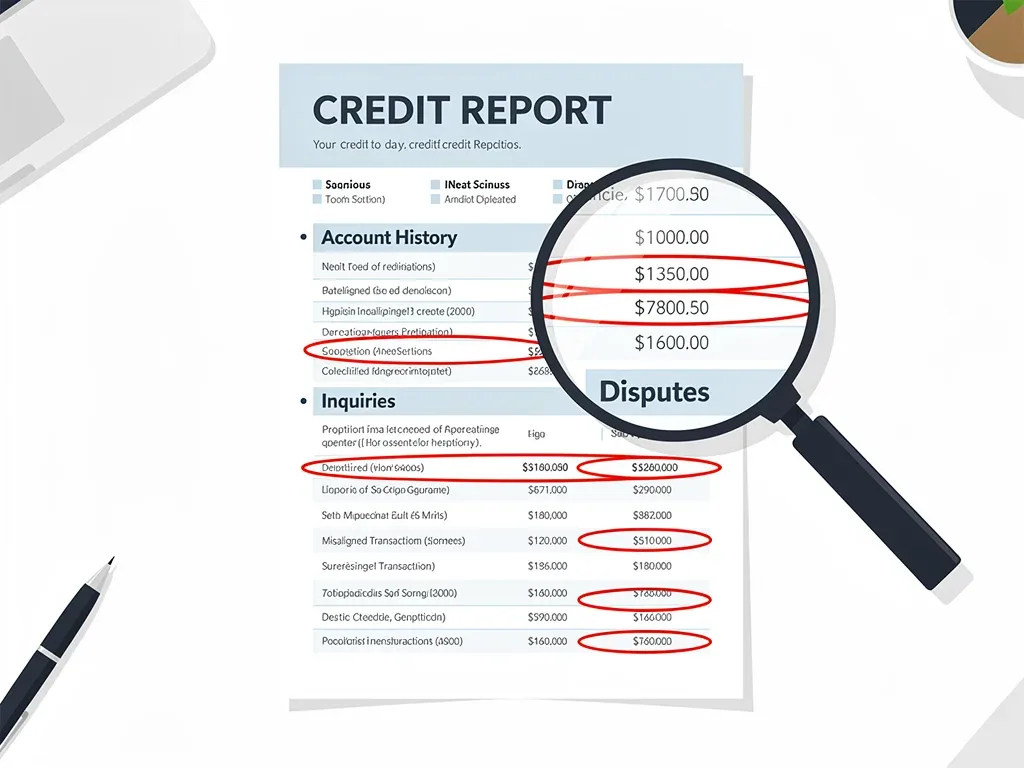
Paying close attention to these details can save you from substantial financial headaches. An error that seems minor on its own can contribute to a cumulative negative effect on your credit score, making it harder to secure favorable rates for future loans or credit products. Your diligence in identifying these errors is a direct investment in your financial future.
The Impact of Inaccuracies: Why a 20-Point Drop Matters
A 20-point drop in your credit score might seem negligible to some, but its ramifications can be profound. Credit scores are dynamic, and even small changes can push you into a different scoring tier, affecting your eligibility for loans or the interest rates you’re offered. For example, a 20-point drop could mean the difference between a prime interest rate and a subprime one on a mortgage or auto loan, costing you thousands of dollars over the life of the loan.
Beyond interest rates, a lower credit score can also influence your ability to rent an apartment, secure certain types of employment, or even obtain better rates on insurance policies. It’s a fundamental indicator of financial health that permeates various aspects of your life. Understanding this impact underscores the urgency of reviewing your 2026 annual credit report with utmost care and precision.
Real-World Consequences of Score Decreases
The practical implications of a credit score drop extend far beyond just borrowing money. They touch upon everyday financial interactions and long-term planning.
- Loan Eligibility: A lower score might disqualify you from certain loans or credit cards entirely.
- Interest Rates: Even if approved, you’ll likely face higher interest rates, increasing your total cost of borrowing.
- Housing: Landlords often check credit reports, and a lower score can make it harder to rent in desirable locations.
- Insurance Premiums: In many states, credit scores influence auto and home insurance rates.
These consequences highlight why proactive management of your credit report is not just a recommendation but a necessity. By preventing a 20-point drop, you safeguard your financial flexibility and preserve your opportunities for future growth and stability. The effort invested now will yield significant returns in the long run.
Disputing Errors: Your Rights and the Process
Upon discovering an error on your 2026 annual credit report, your immediate next step is to dispute it. The Fair Credit Reporting Act (FCRA) grants you the right to dispute inaccurate information with both the credit bureau and the information provider (e.g., the bank or creditor). This process is crucial for correcting mistakes and protecting your credit score. Ignoring errors will not make them disappear; they require active intervention.
The dispute process typically involves submitting a formal letter or online form, providing evidence of the inaccuracy. It’s essential to be thorough and provide all relevant documentation to support your claim. The credit bureaus are legally obligated to investigate your dispute, usually within 30 days, and correct any verified errors. Keep detailed records of all correspondence and documents related to your dispute.
Steps for an Effective Dispute
A structured approach to disputing errors significantly increases your chances of a successful outcome. Follow these steps meticulously:
- Gather Evidence: Collect all documents proving the inaccuracy (e.g., payment receipts, canceled checks, bank statements).
- Contact the Credit Bureau: Send a dispute letter or use their online dispute portal. Clearly identify the error and include copies (not originals) of your evidence.
- Contact the Information Provider: Simultaneously dispute the error directly with the creditor. This dual approach can expedite the resolution.
- Follow Up: Keep track of deadlines and follow up if you don’t receive a response within the allotted time frame.
Successfully disputing an error can lead to its removal from your report, potentially reversing a credit score drop and restoring your financial standing. This process empowers you to take control of your credit narrative and ensure its accuracy, reflecting your true financial behavior.
Maintaining a Healthy Credit Profile Beyond the Report Review
Reviewing your 2026 annual credit report is a critical annual task, but maintaining a healthy credit profile is an ongoing commitment. It involves consistent good financial habits that build and sustain a strong credit score. Think of the annual review as a comprehensive check-up, while daily financial decisions are the preventative medicine. A holistic approach ensures long-term credit health and resilience against financial shocks.
Beyond identifying and disputing errors, focus on practices such as timely bill payments, keeping credit utilization low, and avoiding unnecessary new credit applications. These habits are the bedrock of a strong credit score and will serve you well in all your financial endeavors. Proactive management is always more effective than reactive damage control.
Key Habits for Sustained Credit Health
Building and maintaining excellent credit is a marathon, not a sprint. Incorporating these habits into your financial routine will yield lasting benefits:
- Pay Bills on Time: Payment history is the most significant factor in your credit score. Set up automatic payments to avoid missed deadlines.
- Keep Credit Utilization Low: Aim to use no more than 30% of your available credit. Lower is always better.
- Monitor Your Accounts: Regularly check your bank and credit card statements for suspicious activity, which could indicate fraud.
- Diversify Your Credit Mix: A healthy mix of installment loans (like mortgages) and revolving credit (like credit cards) can positively impact your score over time.
By integrating these practices into your financial life, you not only prevent potential credit score drops but also actively work towards improving your overall credit standing. This dedication to financial discipline ensures that your 2026 annual credit report, and those in subsequent years, accurately reflects your responsible money management.
| Key Aspect | Action for 2026 Credit Report |
|---|---|
| Accessing Reports | Utilize AnnualCreditReport.com for free reports from Equifax, Experian, and TransUnion, staggering requests. |
| Identifying Errors | Look for incorrect personal info, fraudulent accounts, wrong payment statuses, and outdated entries. |
| Disputing Inaccuracies | Submit formal disputes with evidence to credit bureaus and information providers promptly. |
| Preventing Score Drops | Regular review and timely error correction are crucial to prevent significant credit score declines. |
Frequently Asked Questions About Your 2026 Credit Report
How often should I check my credit report in 2026?▼You are entitled to a free report from each of the three major bureaus annually. Staggering these requests every four months allows for continuous monitoring throughout the year, offering a more dynamic view of your credit health.
What are the most common errors to look for?▼Common errors include incorrect personal information, accounts you don’t recognize (potential identity theft), inaccurate payment statuses, or outdated negative information that should have been removed from your report.
How can a 20-point drop impact my finances?▼A 20-point drop can significantly affect loan eligibility and interest rates, potentially costing you thousands on mortgages or auto loans. It can also influence rental applications and insurance premiums, impacting your overall financial flexibility.
What is the process for disputing an error?▼To dispute an error, gather all supporting evidence, then contact both the credit bureau and the information provider (creditor) in writing. Clearly state the inaccuracy and provide copies of your documentation. They have 30 days to investigate.
Are there ways to prevent errors from appearing on my credit report?▼While some errors are unavoidable, maintaining good financial habits like paying bills on time, keeping credit utilization low, and regularly monitoring your accounts can reduce the likelihood of inaccuracies and help you catch them quickly.
Conclusion
The 2026 annual credit report is a powerful tool in your financial arsenal, and a proactive, meticulous review is your best defense against unexpected credit score drops. By understanding its components, strategically accessing your reports, diligently spotting errors, and promptly disputing inaccuracies, you safeguard your financial health. Beyond the annual check-up, cultivating consistent good credit habits ensures a robust and reliable credit profile, paving the way for a secure financial future. Your credit score is a reflection of your financial journey; ensure it tells an accurate and positive story.